Egyptian Vetiver
Egyptian Vetiver captures the essence of sun-baked earth and weathered wood. This aromatic root delivers rich, smoky depth with layers of warm amber and green undertones that ground compositions with quiet authority.
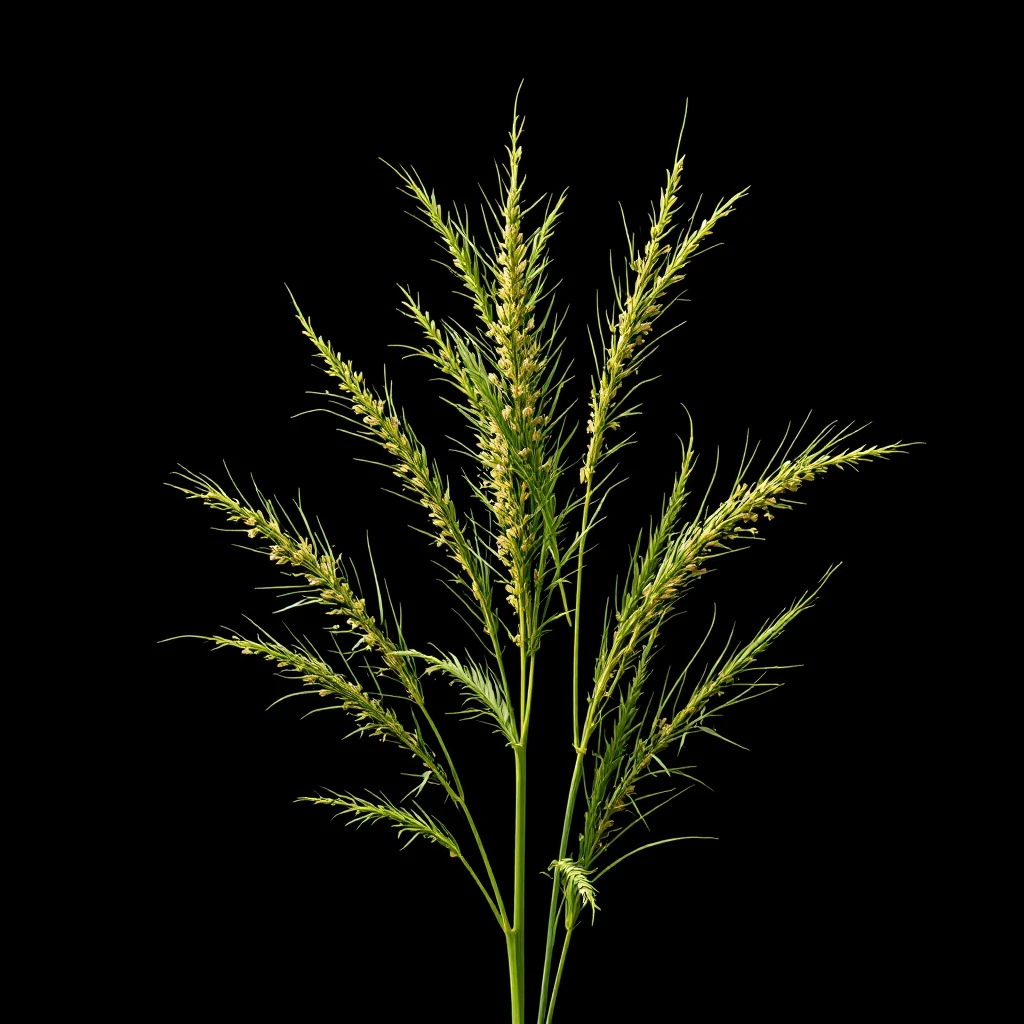
Character
How it smells
The earthy soul of the Nile valley
Ancient Egyptians wove Vetiver roots into ceremonial fans, using their natural cooling and perfuming properties during temple rituals.




Origin
India
Vetiver's connection to Egypt runs deeper than geography. Ancient Egyptian perfumers recognized the root's remarkable durability and aromatic richness, incorporating it into sacred oils and unguents used in temple ceremonies. While vetiver originated in India, Egyptian demand for aromatic materials drove early trade routes across the Red Sea.
By the Ptolemaic period, Egyptian workshops had developed techniques to blend vetiver with Frankincense and Myrrh, creating complex fragrances reserved for royalty and religious rituals. The plant also served practical purposes: woven vetiver mats cooled interiors and carried pleasant scents through papyrus-thick rooms. When European perfumery awakened to vetiver in the 19th century, Egypt served as a crucial intermediary in the trade networks connecting Indian cultivation with Western markets.
Today, Egyptian vetiver production remains a niche but respected craft, maintaining the region's historical expertise in this aromatic root.
Wears it best
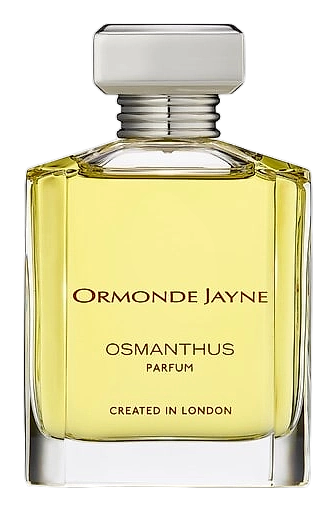
Fragrances featuring Egyptian Vetiver
Brands
Brands known for Egyptian Vetiver
Good to know
Questions, answered
The essentials on Egyptian Vetiver in perfumery: how it smells, where it comes from, and how it behaves on skin.
What does Egyptian Vetiver smell like?
Egyptian Vetiver presents bold earthy character with smoky undertones and warm amber depth. It lacks the sweet vanilla notes found in some varieties, offering instead a dry, almost mineral quality reminiscent of sun-baked soil.
How is Egyptian Vetiver different from Haitian vetiver?
Egyptian vetiver tends toward warmer, smokier profiles while Haitian vetiver displays brighter, more citrusy top notes. Climate and soil composition in the Nile Delta create distinct aromatic signatures in the distilled oil.
Is Egyptian Vetiver used in perfumery?
Yes, it serves as a versatile base note in masculine and gender-neutral fragrances. Its fixative properties help compositions maintain their character over hours of wear on skin.
Can vetiver root be used directly in fragrance?
The roots themselves have limited use in modern perfumery. Steam distillation extracts the aromatic compounds efficiently, though some artisans incorporate ground root particles in potpourri or natural home fragrances.
Why is vetiver called a fixative?
Vetiver oil slows the evaporation of more volatile aromatic molecules in a fragrance blend. Perfumers rely on this property to extend the presence of lighter top notes throughout the wear experience.
Does Egyptian vetiver have religious significance?
Ancient Egyptian temple rituals incorporated vetiver oils for their aromatic and symbolic qualities. While modern perfumery treats it as a technical ingredient, the cultural heritage remains recognized.
How long does vetiver oil last on skin?
As a base note, vetiver typically remains detectable for 6 to 8 hours depending on concentration and skin chemistry. Its molecular structure ensures gradual, sustained release.
What blends well with Egyptian Vetiver?
Vetiver pairs naturally with citrus oils, cedarwood, and amber materials. In masculine fragrances, it often accompanies bergamot or cardamom for contrast against its earthy foundation.