Jacaranda Leaf
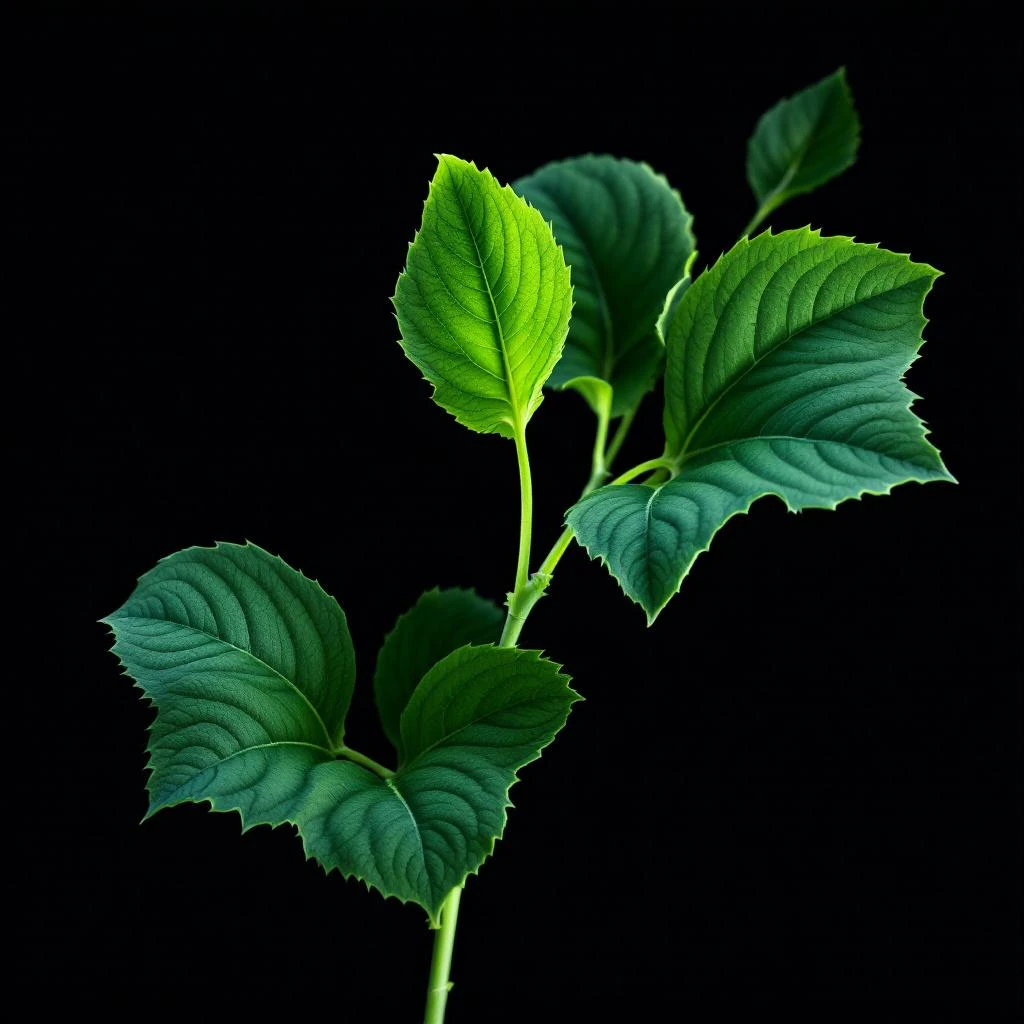
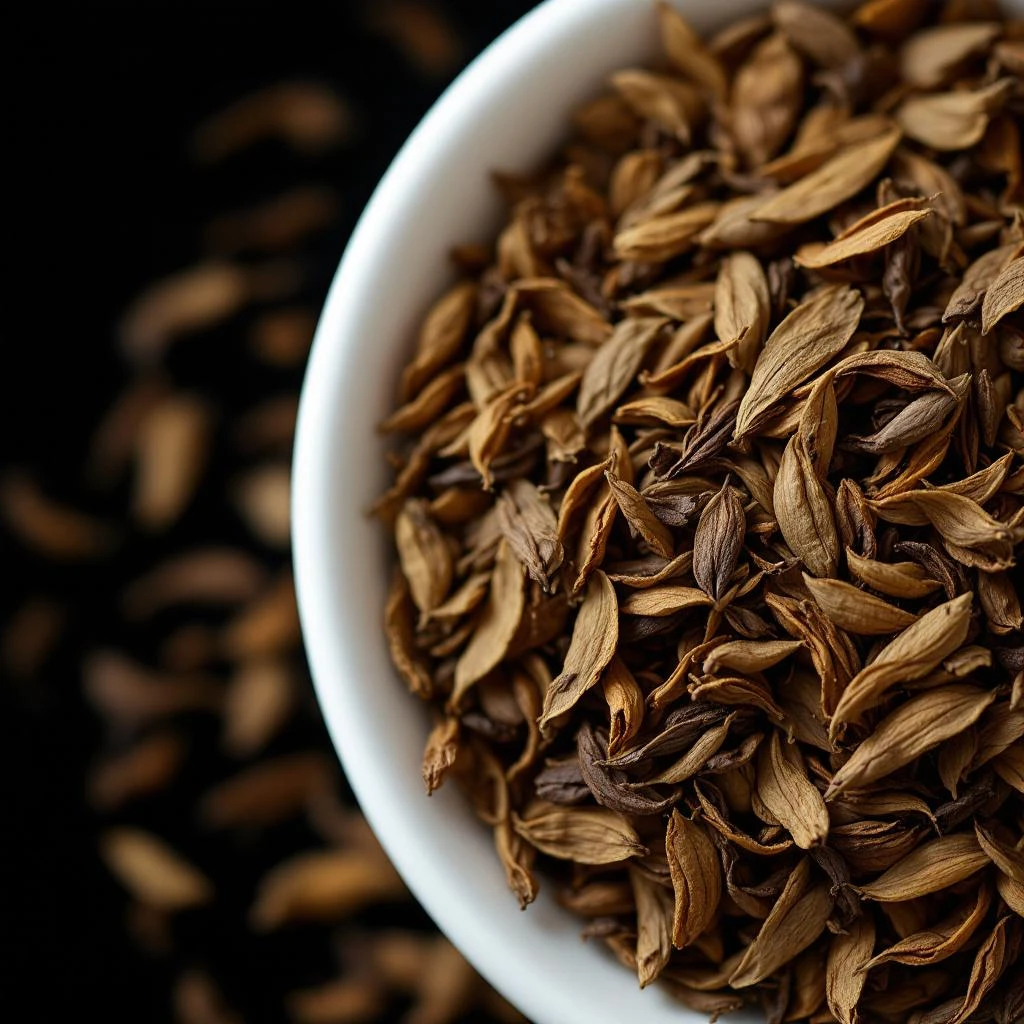
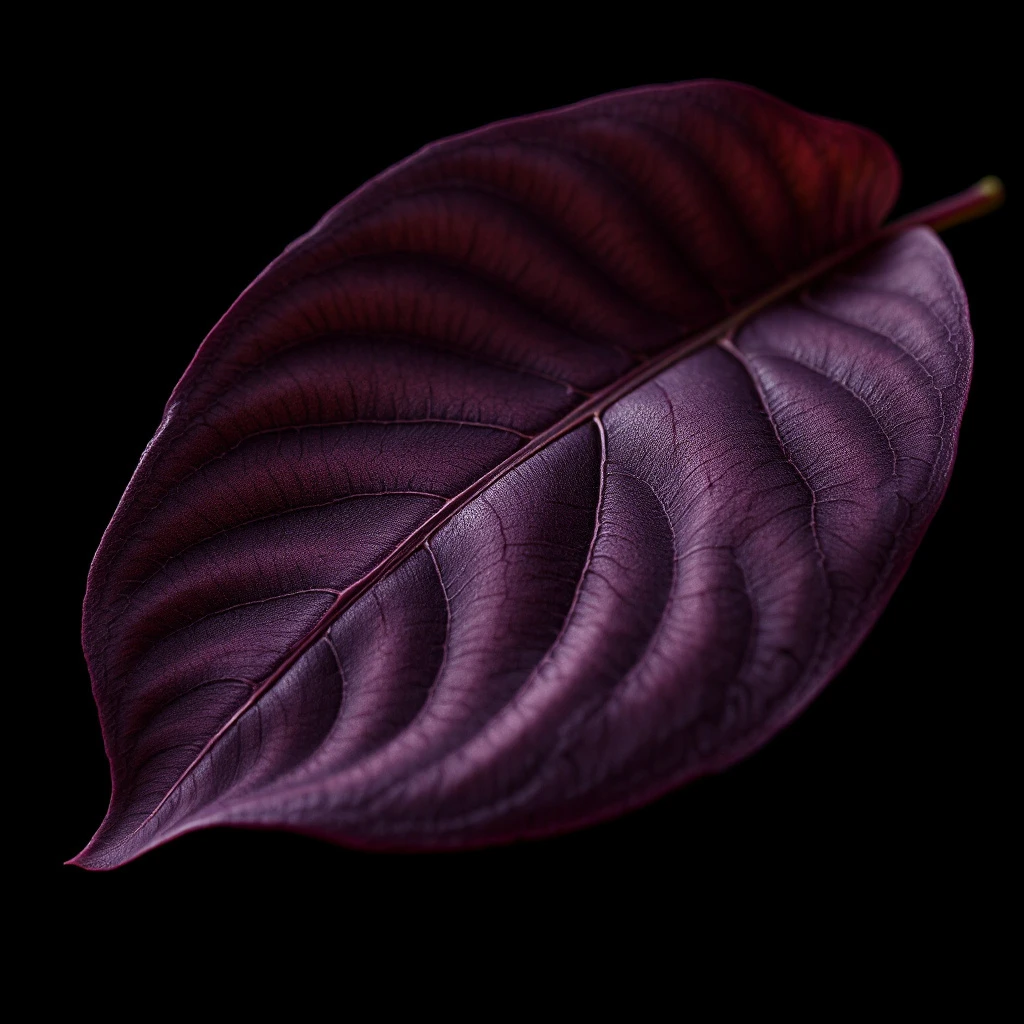
Jacaranda leaf brings a quiet green intensity to fragrance compositions, evoking the violet-hued canopy of South America's most celebrated ornamental tree.
Character
How it smells
Green, violet-leaf, and subtly floral.
A single jacaranda tree can produce over 100 million flowers each season, blanketing entire city blocks in purple.
Pairs beautifully with
Origin
Argentina
The jacaranda tree has graced South American landscapes for centuries, with indigenous communities using its leaves in traditional preparations long before European botanists documented the species. Argentine naturalist José Celestino Mutis first described Jacaranda mimosifolia in the late 18th century during his famous botanical expedition. Spanish colonial pharmacists in the 1600s noted the leaf's aromatic properties in their manuscripts.
The tree's introduction to global horticulture occurred in the early 1800s when botanical collectors sent seeds to European gardens. Its adoption into perfumery remains recent, emerging only in the past two decades as perfumers explored unconventional botanical sources beyond traditional European and Middle Eastern materials.
Wears it best
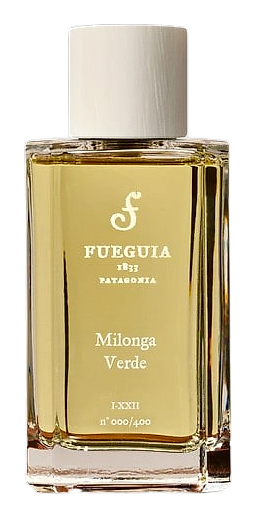
Fragrances featuring Jacaranda Leaf
Brands
Brands known for Jacaranda Leaf
Good to know
Questions, answered
The essentials on Jacaranda Leaf in perfumery: how it smells, where it comes from, and how it behaves on skin.
What does jacaranda leaf smell like?
Jacaranda leaf carries a crisp, green aroma with violet-leaf undertones and subtle floral facets. The scent reads as both fresh and slightly melancholic, similar to crushed violet foliage mixed with hints of dry wood.
Is jacaranda leaf a natural ingredient?
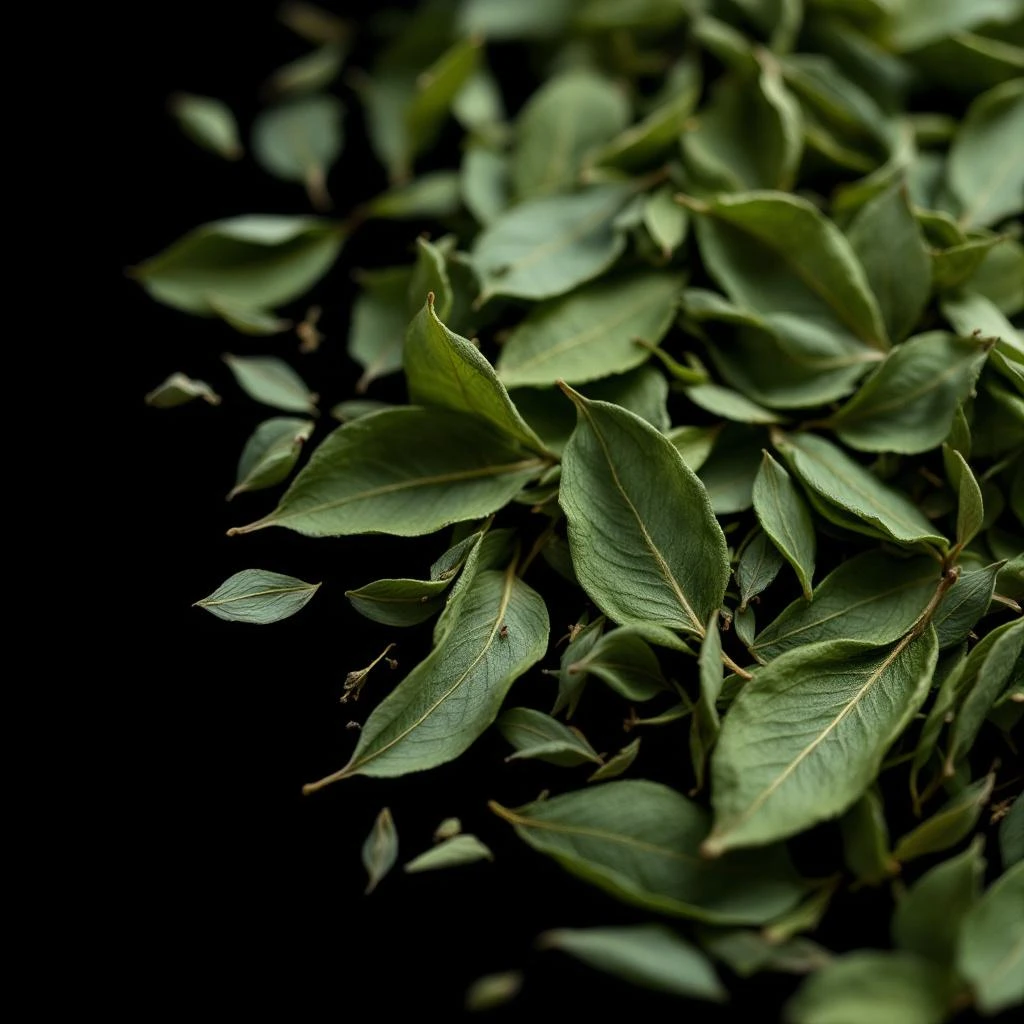
Yes. Jacaranda leaf is a natural botanical material sourced from Jacaranda mimosifolia trees cultivated primarily in South America. Perfumers extract the aromatic compounds through steam distillation of fresh leaves.
Which fragrances feature jacaranda leaf?
Jacaranda leaf appears primarily in niche and artisan fragrances rather than mass-market products. Its use remains relatively rare, with perhaps two dozen fragrances globally incorporating it as a notable heart or dry-down element.
What extraction method produces jacaranda leaf essential oil?
Steam distillation is the standard method. Distillers pass steam through freshly harvested leaves, collecting the condensed aromatic water and separating the oil layer. This process preserves delicate compounds that solvent extraction might alter.
Where does jacaranda leaf grow best?
Jacaranda trees thrive in subtropical climates with distinct dry and wet seasons. Argentina, Brazil, and Paraguay host the largest wild populations. The trees require full sun and well-drained soil to develop the aromatic compounds that perfumers seek.
How long has jacaranda been used in perfumery?
Documented perfumery use dates to approximately 2005. The ingredient emerged as perfumers sought unique green notes beyond mainstream options like galbanum or violet leaf absolute.
Can jacaranda leaf be synthetically replicated?
No complete synthetic equivalent exists. Scientists have identified key aromatic compounds in jacaranda leaf, but the complete olfactory profile remains challenging to reproduce artificially due to the interaction of dozens of trace components.
What fragrance families pair well with jacaranda leaf?
Jacaranda leaf complements floral and aromatic compositions. It pairs effectively with iris, violet, and green tea notes. In woody bases, it adds unexpected freshness that bridges floral heart notes to drydown elements.