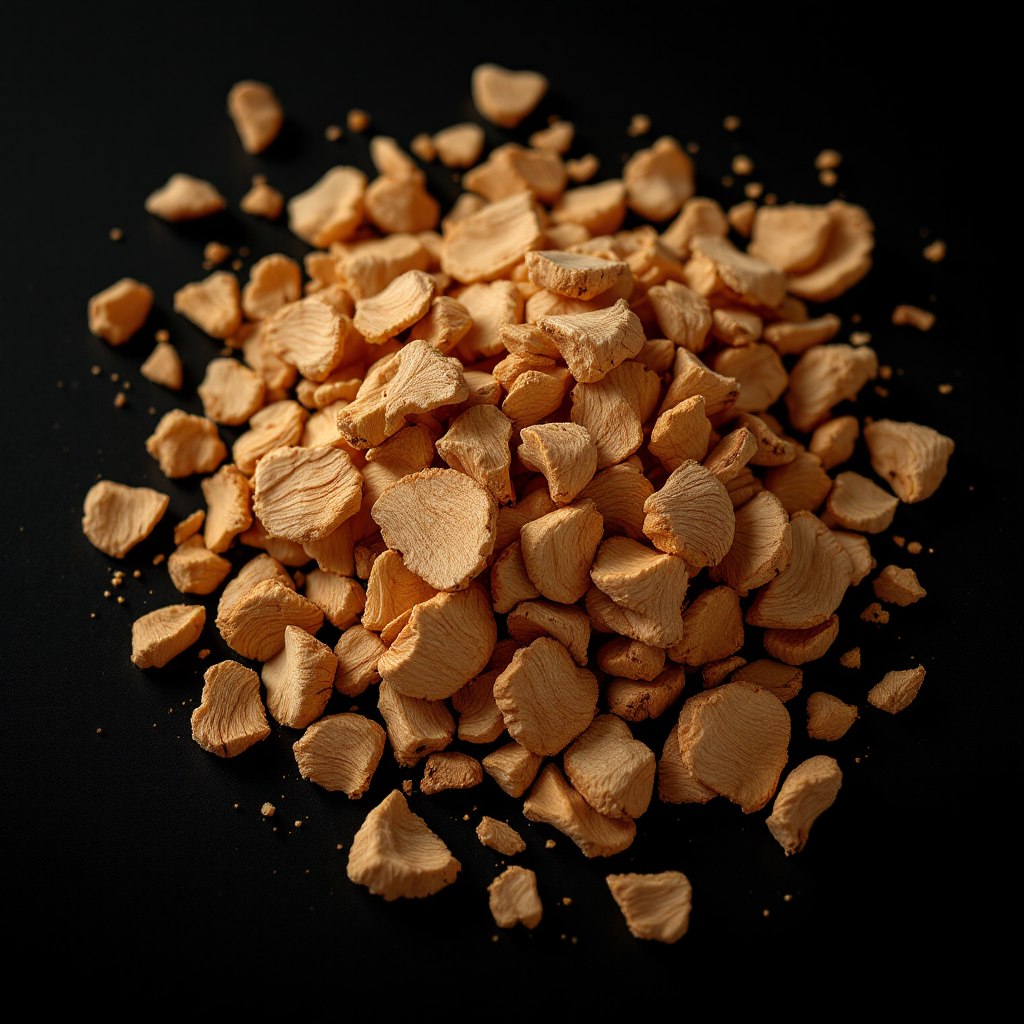
Handroanthus Impetiginosus
Handroanthus impetiginosus, the pink trumpet tree, is a towering tropical hardwood native to Central and South American forests. Its bark yields a warm, resinous extract prized in fine fragrance for its complex woody character.
Character
How it smells
Warm resin, tropical depth, ancient bark.
The pink trumpet tree blooms spectacularly before its leaves emerge each year, turning entire forests into waves of magenta for weeks.
Pairs beautifully with
Origin
Brazil
Indigenous peoples throughout the Amazon basin used pink trumpet tree bark in traditional medicine for centuries before European contact. The tree held ceremonial significance in several indigenous cultures and featured in ethnobotanical practices across its range.
The species was formerly classified under Tabebuia before molecular research led to its reclassification into the Handroanthus genus. Modern perfumery began incorporating this extract as fragrance producers expanded into lesser-known aromatic botanicals, seeking distinctive woody materials with cultural depth.
Wears it best
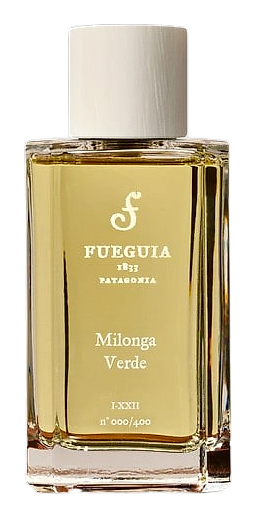
Fragrances featuring Handroanthus Impetiginosus
Brands
Brands known for Handroanthus Impetiginosus
Good to know
Questions, answered
The essentials on Handroanthus Impetiginosus in perfumery: how it smells, where it comes from, and how it behaves on skin.
What does Handroanthus impetiginosus smell like?
Pink trumpet tree bark extract offers warm, resinous woody notes with subtle honey and leather undertones. It adds depth and a distinctive tropical character to fragrance compositions.
Is Handroanthus impetiginosus used in traditional medicine?
Indigenous communities across the Amazon basin have used this bark in traditional medicine for centuries, particularly for its anti-inflammatory properties.
How is Handroanthus impetiginosus extract produced?
Solvent extraction or supercritical CO2 extraction draws aromatic compounds from dried bark harvested from wild-grown trees in Brazil and neighboring countries.
Where does Handroanthus impetiginosus grow?
The species ranges from northern Mexico through Central America to northeastern Argentina, with primary populations in Brazil, Colombia, and Bolivia.
What is the botanical family of Handroanthus impetiginosus?
It belongs to the Bignoniaceae family. The species was previously classified under Tabebuia before molecular reclassification into the Handroanthus genus.
What other names does this tree have?
The tree is also called pink ipê, pink lapacho, Pau D'Arco, and macuelizo enano across different regions and languages.
Why is steam distillation rarely used for this ingredient?
Steam distillation yields minimal aromatic material from the bark, so commercial producers favor solvent or supercritical CO2 extraction for higher efficiency.
How tall does Handroanthus impetiginosus grow?
In dense forest canopies, trees reach 20-35 meters tall. In open areas, they typically grow 8-12 meters as a briefly deciduous species.