Italian primofiore lemon
Italian primofiore lemon oil carries aldehydic brightness from citral alongside sweet citrus depth from limonene. A top note that stays bright and clear for several minutes after application. Italian primofiore lemon oil carries aldehydic brightness from citral alongside sweet citrus depth from limonene. A top note that stays bright and clear for several minutes after application.

Character
How it smells
The benchmark for fresh citrus in fine fragrance
Lemons are a hybrid species—crossed between a bitter orange and a citron—originating in Asia before reaching the Mediterranean via trade routes.



Origin
Italy
The lemon reached the Mediterranean during the Crusades, arriving via trade networks that connected Europe with Asia. Italian cultivation took root in Sicily and the southern regions, where the climate and volcanic soil proved ideal for citrus cultivation. By the 12th century, Sicily had become a major citrus-producing center, laying groundwork for what would become a centuries-long relationship between Italian growers and perfumers.
In 1780, Abbot Domenico Sestini published the first technical description of Sicilian lemon oil extraction, documenting the cold-press method with remarkable precision. Italian perfumery grew alongside this agricultural heritage, eventually becoming the leading center for perfume production in Europe. The primofiore variety specifically refers to the first flower of the season, corresponding to winter fruit that develops with greater aromatic complexity than summer lemons.
Today, Sicily and the southern Italian regions produce tens of thousands of tons of lemons annually. The primofiore harvest remains the most valued portion of that yield for fragrance purposes. This concentration of production in a specific geographic zone, refined over centuries, has made Italian lemon oil the benchmark against which all other lemon origins are measured in fine fragrance.
Wears it best
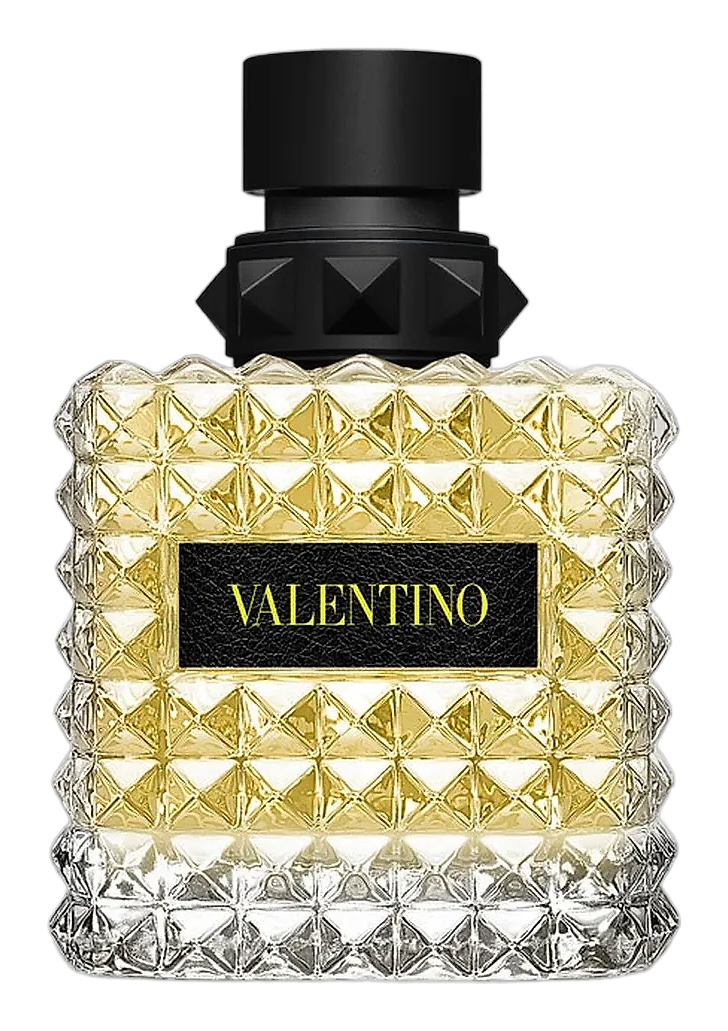
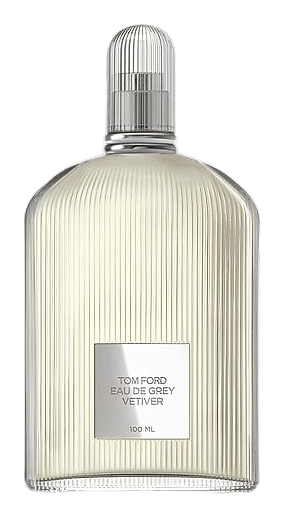
Fragrances featuring Italian primofiore lemon
Brands
Brands known for Italian primofiore lemon
Good to know
Questions, answered
The essentials on Italian primofiore lemon in perfumery: how it smells, where it comes from, and how it behaves on skin.
What does Italian primofiore lemon smell like in perfumery?
Italian primofiore lemon smells bright, zesty, and crisp with a sharp citrus character. The combination of citral for aldehydic brightness and limonene for rounded citrus depth creates a clean top note. Scent lasts approximately 15 to 30 minutes as a top note in most fragrance compositions.
What is primofiore in Italian lemon cultivation?
Primofiore refers to the first flower of the citrus season, corresponding to lemons harvested October through April. Winter primofiore lemons contain higher oil concentration and more balanced aromatic compounds than summer fruit, giving them the rounded, aromatic profile perfumers prefer.
How does Italian primofiore lemon differ from other lemon varieties in perfumery?
The harvest season and Sicilian terroir create distinct aromatic characteristics. Italian primofiore lemons develop more mature oil with higher citral and a more balanced citral-limonene ratio than lemons grown elsewhere, producing a more complete citrus expression preferred in fine fragrance.
How is Italian lemon oil extracted from the fruit?
Cold-press extraction mechanically ruptures oil glands in the lemon peel, releasing aromatic compounds without heat. The resulting emulsion separates via centrifugation. This method preserves the intact aldehydic character of citral, producing a material closer to the fresh peel than steam distillation achieves.
How long does Italian primofiore lemon last as a top note in fragrance?
As a top note, Italian primofiore lemon typically lingers for 15 to 30 minutes, fading as the fragrance moves into heart and base notes. Citral evaporates quickly, which is why lemon features prominently in the opening rather than the dry-down.
What fragrance families commonly use Italian primofiore lemon?
Italian primofiore lemon appears most frequently in citrus, aromatic, and fougère compositions, as well as in fresh chypre and modern aquatic fragrances. Its bright top note also works well in colognes and refreshing women's florals across seasonal categories.
Which notable perfumes feature Italian primofiore lemon?
Italian primofiore lemon oil appears in several heritage and modern fragrances. Classic colognes such as 4711 Original Eau de Cologne have used Italian lemon as a cornerstone ingredient since the 18th century. Many contemporary designers incorporate it for its clean, refreshing citrus signature.
Is natural Italian lemon oil always used in perfumery, or are synthetic alternatives common?
Natural cold-pressed Italian lemon oil remains the preferred material in fine fragrance for its aromatic complexity. Synthetic alternatives exist and serve in functional perfumery and budget products, but they cannot fully replicate the citral-limonene balance and aldehydic nuance that natural Italian lemon oil provides.