Italian plum
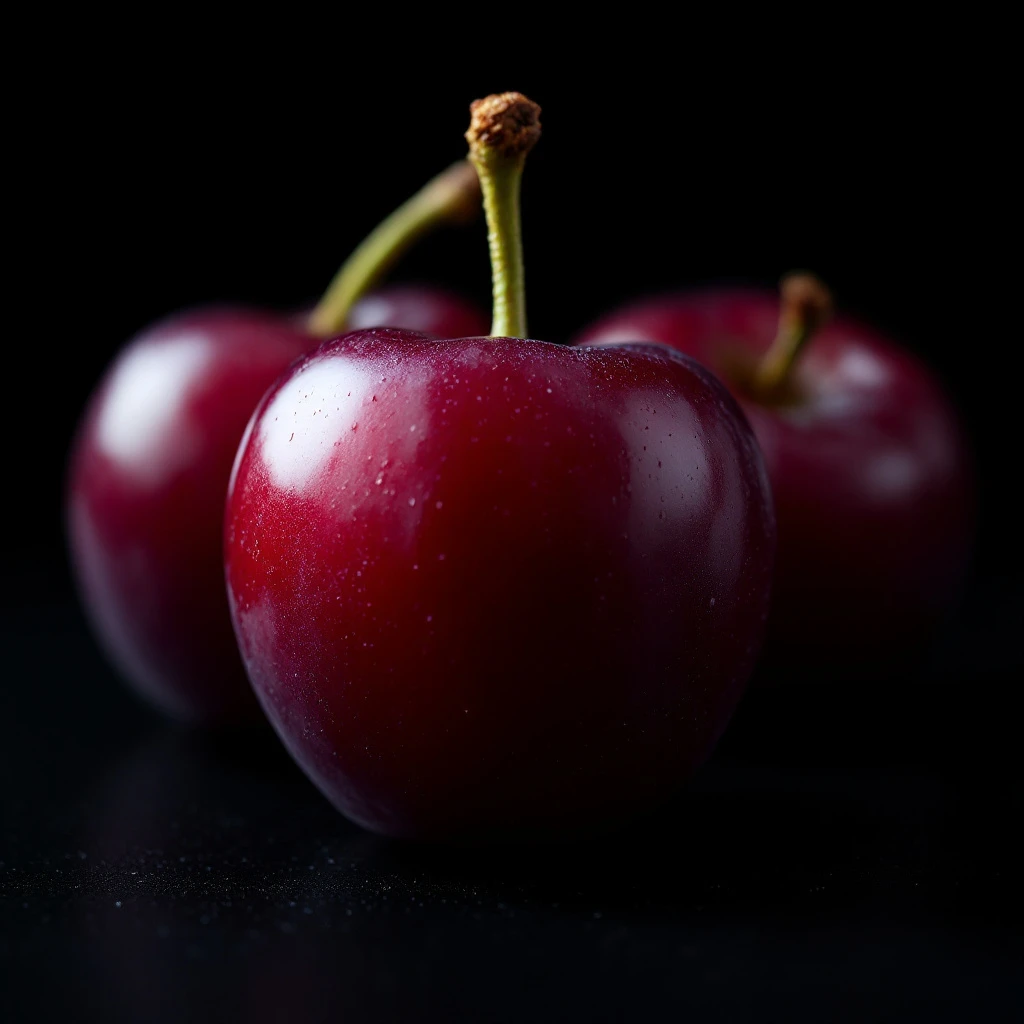
Italian plum brings a deep, jammy sweetness to fragrance compositions. This synthetic note captures the fruit's ripened richness with velvety depth and a lingering finish that suggests sun-warmed orchards.
Character
How it smells
Velvety fruitiness captured through molecular artistry.
No perfume actually contains real plum fruit. Perfumery recreates the scent entirely through synthetic chemistry.






Origin
Italy
Renaissance Italy established the foundation for modern perfumery, and fruit notes became prized ingredients in aristocratic circles. Italian courts developed early techniques for preserving and incorporating fruit essences into scented preparations.
When Catherine de' Medici moved to France in the 16th century, she brought Italian perfumery knowledge with her, transforming French fragrance traditions. Italian plum therefore carries this historical weight, representing both the fruit's Italian heritage and the country's foundational role in European perfumery development.
Wears it best
Fragrances featuring Italian plum

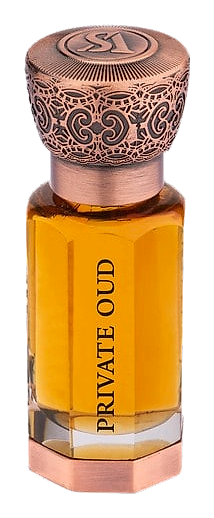
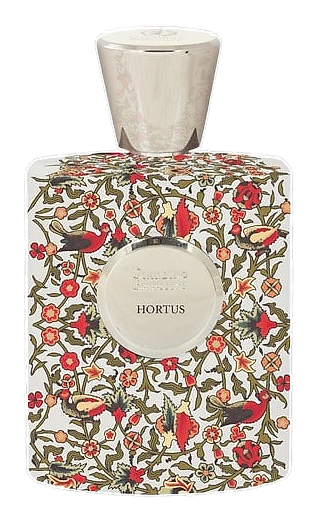

Brands
Brands known for Italian plum
Good to know
Questions, answered
The essentials on Italian plum in perfumery: how it smells, where it comes from, and how it behaves on skin.
Is Italian plum a natural ingredient?
No. Italian plum is exclusively synthetic. Direct extraction from plum fruit is not technically feasible, so perfumers reconstruct the scent using molecules like gamma-decalactone and ionones.
What does Italian plum smell like?
Italian plum smells deeply jammy and sweet with velvety depth. It carries ripe fruit character with subtle floral undertones and a warm, lingering finish in fragrance compositions.
Which fragrance families commonly use Italian plum?
Italian plum appears primarily in oriental and fruity chypre compositions. It adds warmth and sensuality to women's fragrances and occasionally to gender-neutral scents seeking rich fruit depth.
How do perfumers create realistic plum notes?
Perfumers combine multiple synthetic molecules to capture plum's complexity. Key compounds include gamma-decalactone for the core fruity character plus damascones for depth and ionones for subtlety.
Does Italian plum differ from other plum variations?
The Italian designation refers to cultural heritage rather than botanical origin. Italian plum notes tend toward sun-ripened sweetness with jammy richness, reflecting Mediterranean fruit character.
Is Italian plum sustainable as a fragrance ingredient?
Yes. Synthetic production avoids agricultural demands entirely. Plums require significant water and land resources, making the synthetic alternative more resource-efficient.
When did synthetic plum notes first appear in perfumery?
Synthetic plum reconstructions emerged in the mid-20th century alongside advances in organic chemistry. Early synthetic fruit notes became popular in the 1960s as perfumers sought consistent alternatives to natural materials.
Can I find natural plum in any perfume?
No perfume contains actual plum fruit. Some fragrances use plum extracts for flavor rather than scent. Perfumers always recreate plum aromatics synthetically for consistency and technical performance.