Italian blackcurrant
Italian blackcurrant brings a vivid, tart brightness to fine fragrance that perfumers prize for its green-fruity complexity. Harvested from the Alpine foothills, these small dark berries and their fragrant buds deliver a signature character that defines modern perfumery.
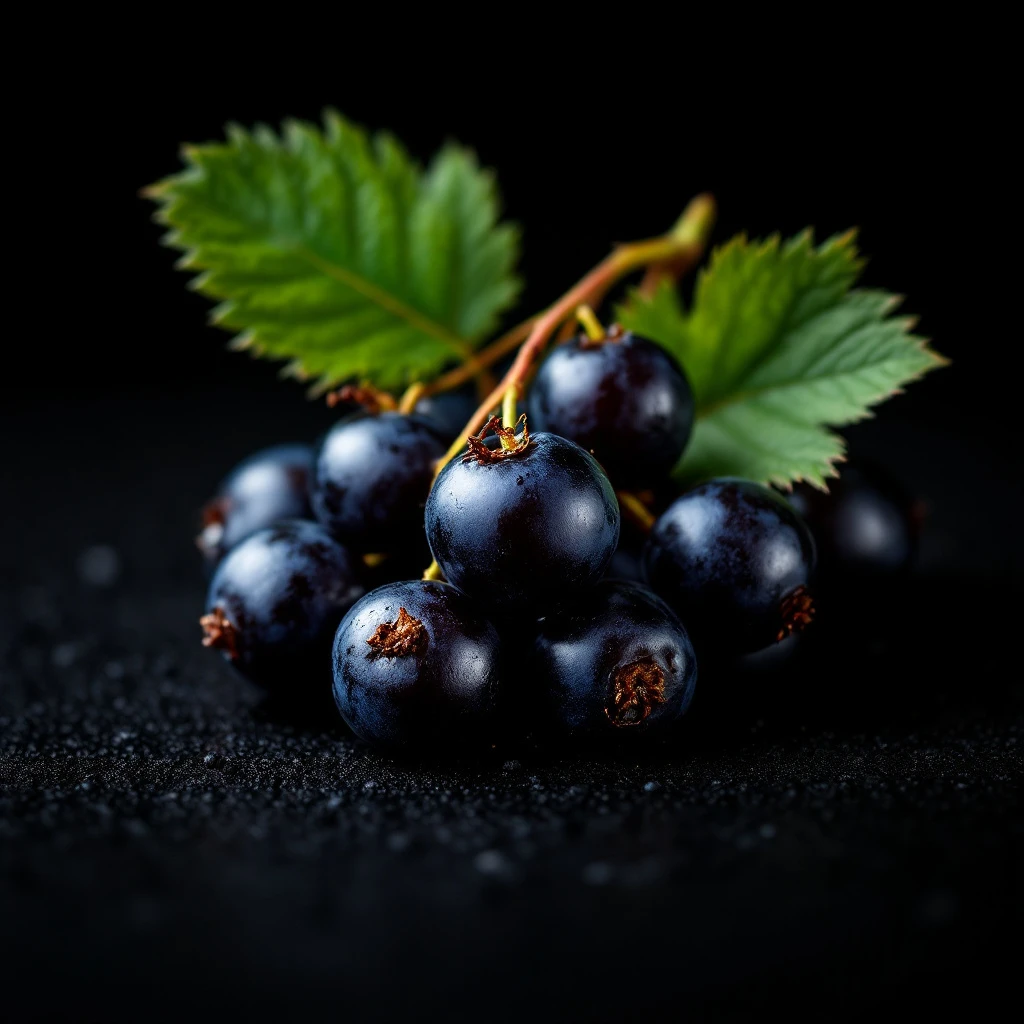
Character
How it smells
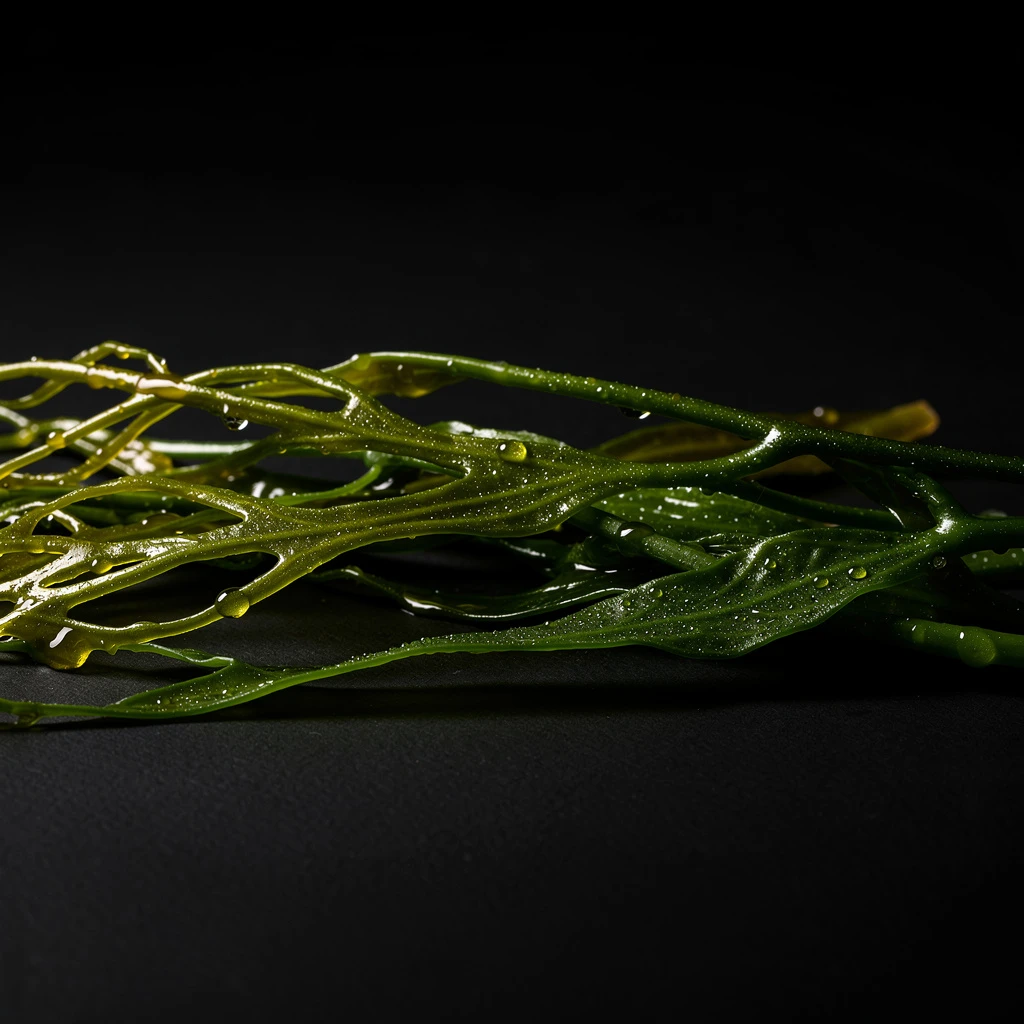
Tart, green, and unmistakably alive.
Blackcurrant buds produce their most aromatic compounds in late winter, just before flowering.





Origin
Italy
Blackcurrant, known as cassis in France, traces its perfumery use to Renaissance Italy, where early practitioners experimented with aromatic botanicals. While the ancient Greeks and Romans valued blackcurrant berries for culinary and medicinal purposes, fragrance applications developed much later.
Italian perfumers of the 16th and 17th centuries began exploring the ingredient's aromatic potential, though blackcurrant remained secondary to established materials. The true turning point came during the 1960s and 1970s, when fragrance chemists refined extraction techniques for blackcurrant absolute.
Italy's Alpine regions became important cultivation areas, benefiting from favorable climates and traditional agricultural expertise. Today, Italian blackcurrant represents a distinct expression of this ingredient, shaped by regional terroir and cultivation practices thatperfumers recognize as exceptional.
Wears it best
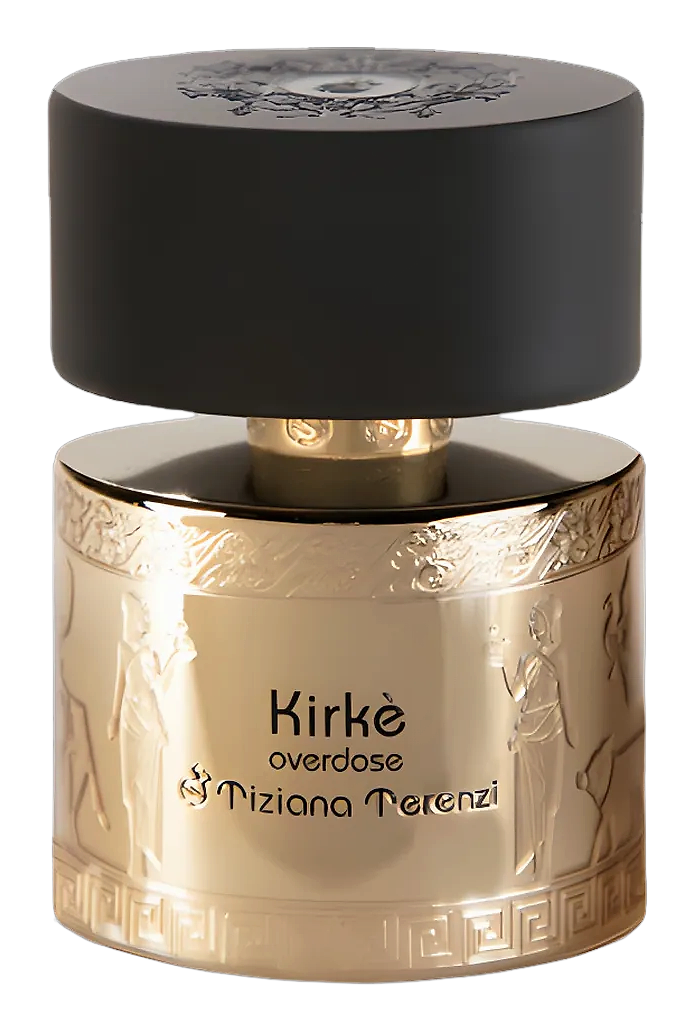
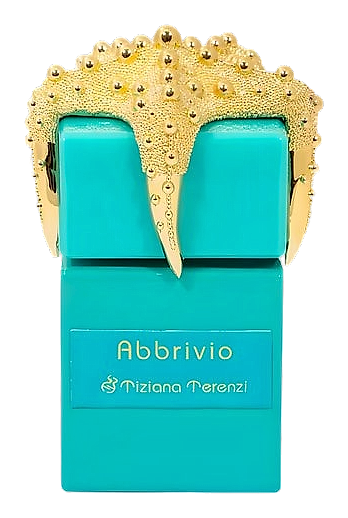
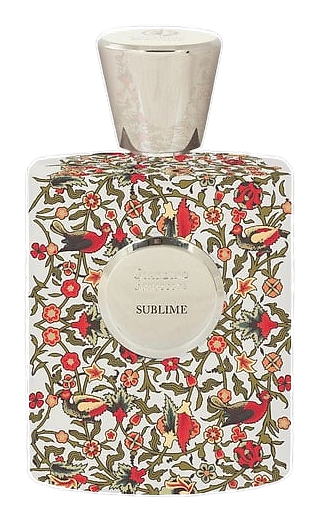
Fragrances featuring Italian blackcurrant
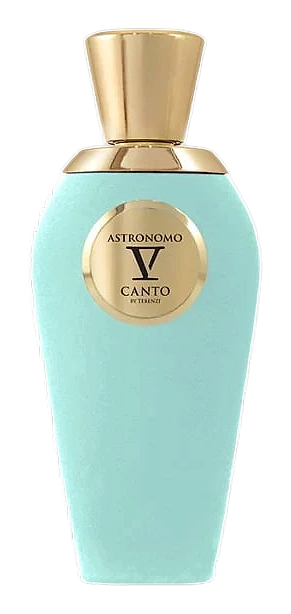
Brands
Brands known for Italian blackcurrant
Good to know
Questions, answered
The essentials on Italian blackcurrant in perfumery: how it smells, where it comes from, and how it behaves on skin.
What does Italian blackcurrant absolute smell like?
Italian blackcurrant absolute presents a tart, green-fruity character with distinct grape and tomato leaf facets. The scent combines bright berry notes with earthy undertones and a subtle floral sweetness. Perfumers value it for adding natural vibrancy and complexity that synthetic versions struggle to replicate.
Which parts of the blackcurrant plant does perfumery use?
Perfumery relies primarily on the flower buds rather than the berries themselves. Buds harvested in early spring before opening contain the highest concentration of aromatic compounds. Leaves occasionally contribute to specialty extracts, but buds deliver the signature blackcurrant fragrance profile.
How is blackcurrant absolute produced?
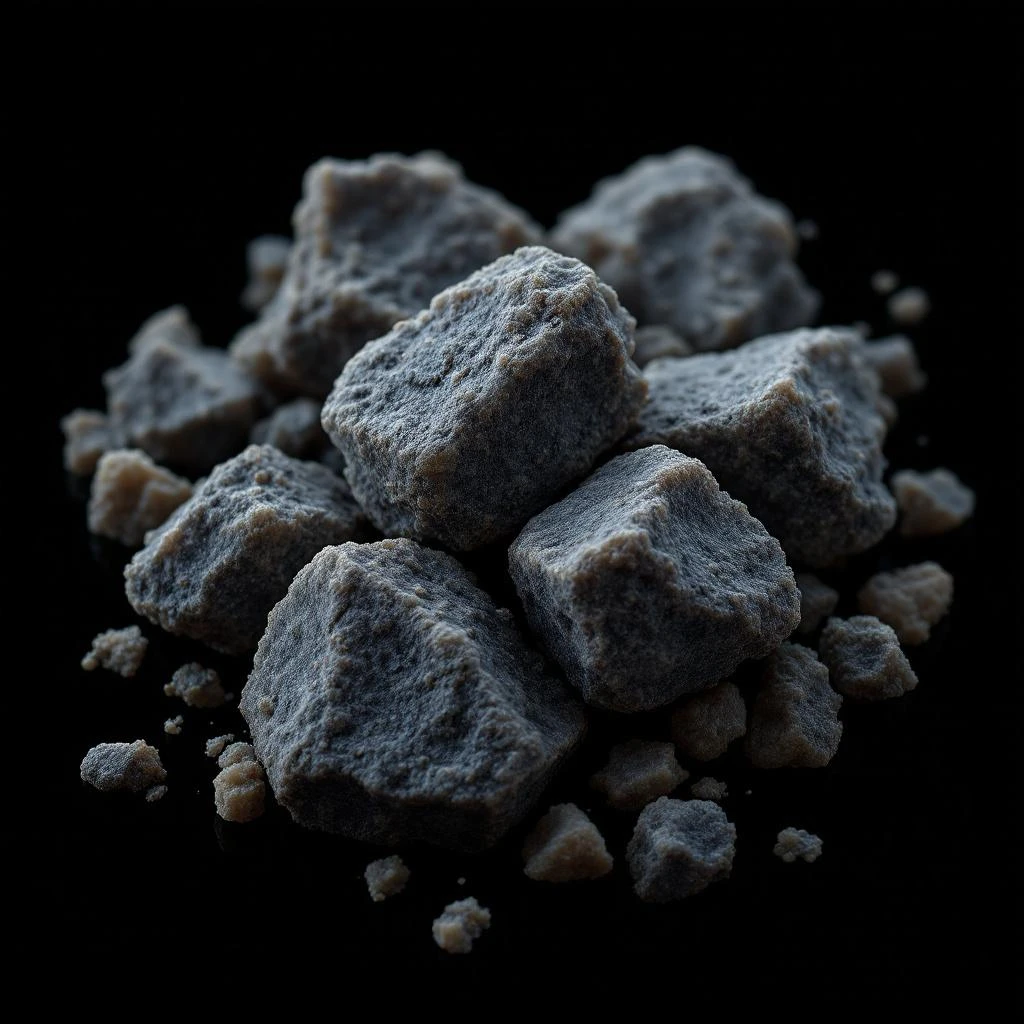
Producers harvest blackcurrant buds by hand in late winter, then clean and dry them carefully. solvent extraction using food-grade hexane or similar agents draws out the aromatic compounds. After filtering and removing solvent under vacuum conditions, the remaining waxy material forms the absolute.
What distinguishes Italian blackcurrant from other origins?
Italian blackcurrant benefits from cultivation in Alpine valleys and northern regions with cool summers and well-drained soils. These conditions produce buds with a particularly pronounced green note and excellent aromatic intensity. Italian suppliers maintain rigorous harvesting protocols that preserve delicate fragrance compounds.
When did blackcurrant become important in perfumery?
Blackcurrant absolute gained prominence in the 1960s and 1970s when extraction techniques improved significantly. Previously, perfumers used synthetic materials to approximate the note. The natural absolute became more widely available in subsequent decades, and Italian cultivation expanded accordingly.
What fragrance families use Italian blackcurrant?
Blackcurrant absolute appears frequently in chypre, green, and fruity compositions. It enhances rose and white floral arrangements with bright tartness. Both men's and women's fragrances employ it, particularly in modern designers and niche creations seeking natural authenticity.
Can perfumers use synthetic blackcurrant notes instead?
Synthetic alternatives exist but lack the full complexity of natural blackcurrant absolute. Synthetic materials provide certain fruit characters but miss subtle green and floral nuances. Most fine fragrances specify natural blackcurrant for authenticity and depth.
Is Italian blackcurrant cultivation sustainable?
Commercial cultivation occurs on established farms where sustainable practices protect soil health and biodiversity. Italian growers follow EU agricultural standards that limit pesticide use and encourage responsible land management. The plant itself tolerates cool climates without intensive intervention.