Iris tingitana Concrete
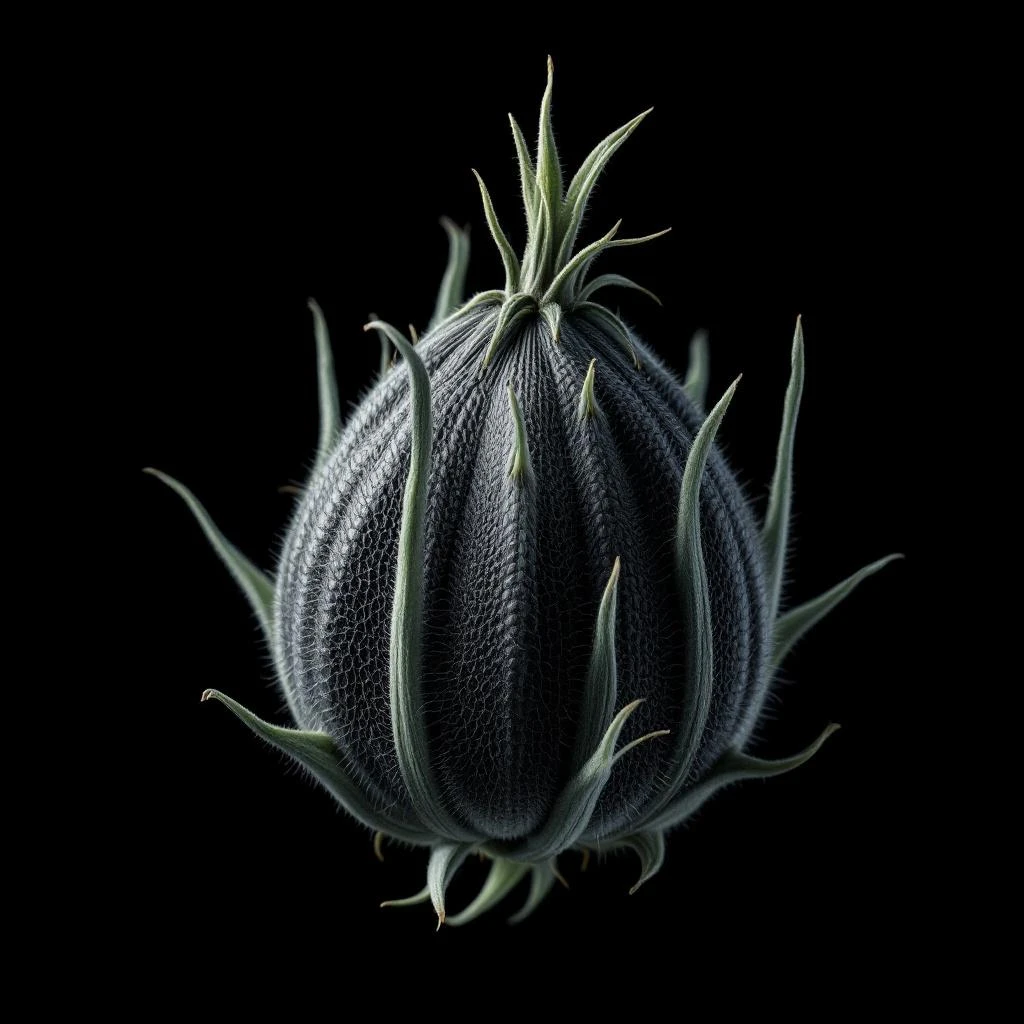
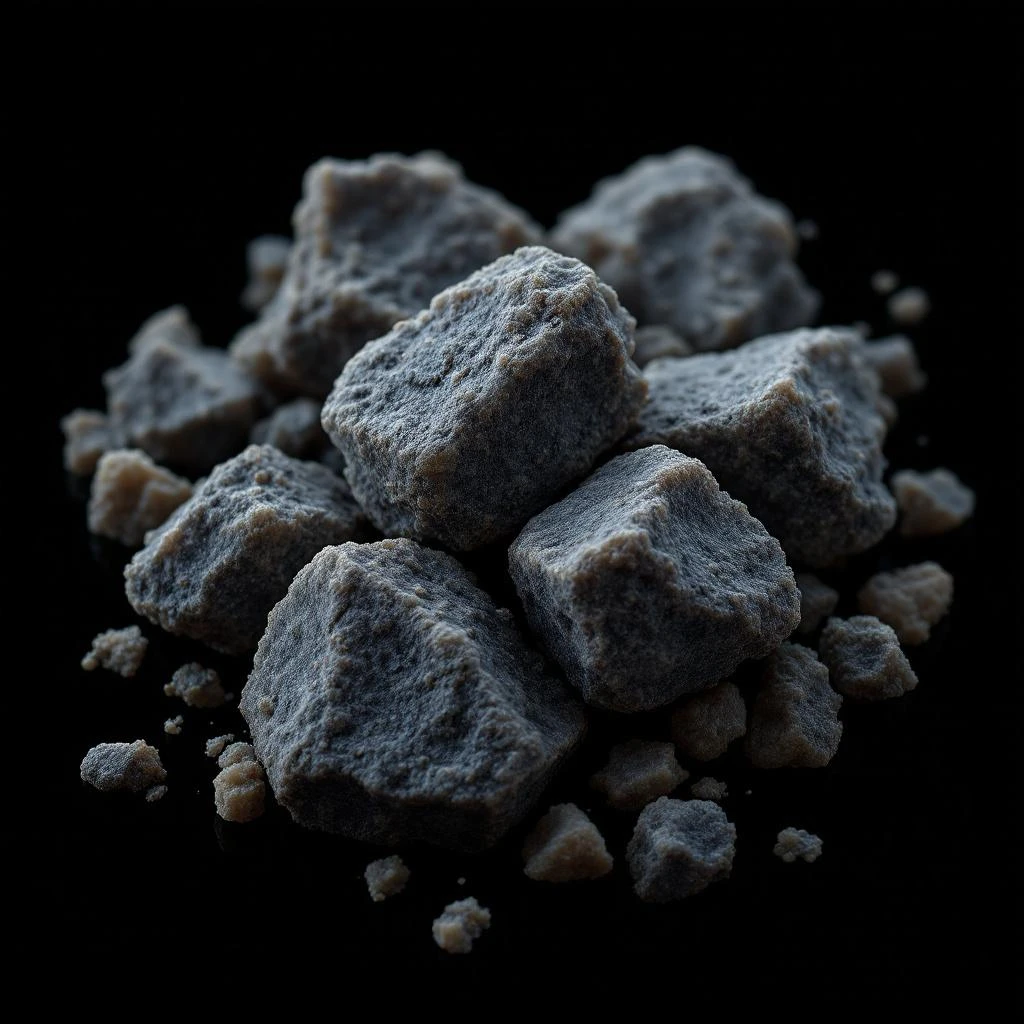
The Moroccan-born cousin of Tuscan orris root, Iris tingitana concrete carries the same powdery violet grace but with an earthier, wilder character shaped by North African soil. Three to six years of aging transform humble rhizomes into one of perfumery's most coveted materials.
Character
How it smells
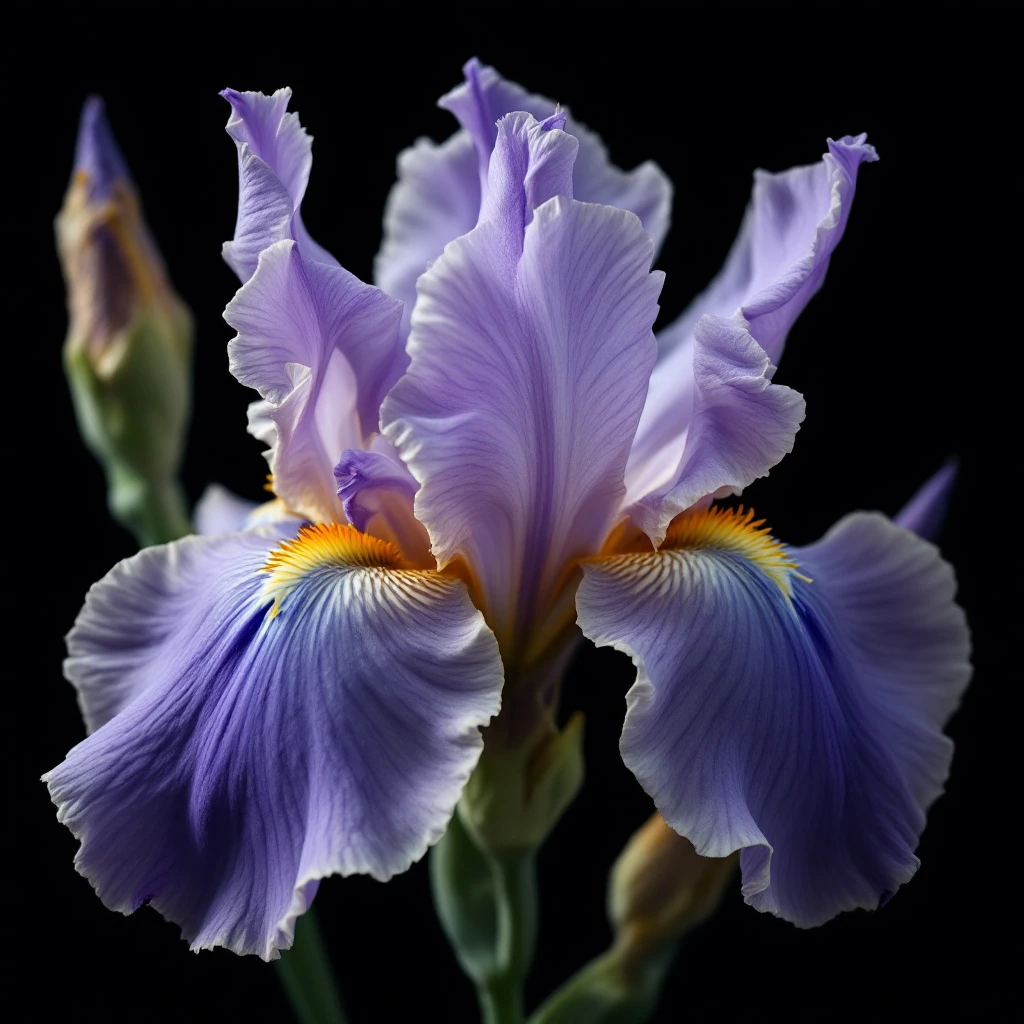
A Moroccan wild violet with powdery depth.
Iris tingitana concrete is the most affordable iris material, yet it still commands around 500 euros per kilogram.




Origin
Morocco
Iris tingitana takes its name from the Tingitana region of ancient Rome, corresponding to northern Morocco around modern Tangier. This area has been cultivating iris for centuries, though it sits in the shadow of the more celebrated Florentine and Bolognese varieties. While Iris pallida and Iris germanica dominated Mediterranean perfumery history, the tingitana species developed its own distinct chemistry within Moroccan growing traditions. Ancient Egyptian priests used orris root in incense and medicinal preparations, and ancient Greek physicians documented its therapeutic applications.
The sixteenth century marked a turning point when Catherine de Medici introduced iris cultivation to the French court from Italy. Florentine orris roots became the raw material for the powdered sachets, pomaded hair treatments, and court perfumes that defined European fragrance culture. Florentine orris commanded premium prices across the continent. By the seventeenth century, orris had become essential to perfumery houses in France, England, and Germany.
It appeared in glove perfumes, scented sachets, and medicinal compounds. The industrial solvent extraction developed in the late nineteenth century transformed iris concrete production, allowing perfumers to capture the full range of aromatic compounds from aged rhizomes in a concentrated, consistent form.
Wears it best
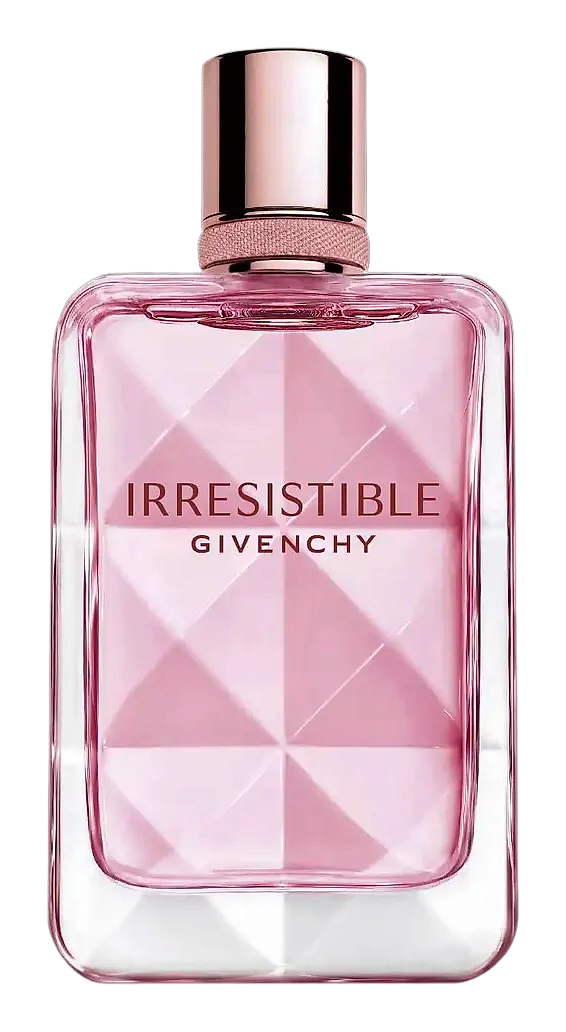
Fragrances featuring Iris tingitana Concrete

Brands
Brands known for Iris tingitana Concrete
Good to know
Questions, answered
The essentials on Iris tingitana Concrete in perfumery: how it smells, where it comes from, and how it behaves on skin.
What is iris concrete?
Iris concrete is a solvent-extracted product from aged iris rhizomes. It differs from orris butter, which is the steam-distilled concentrate derived from concrete. Concrete captures the full aromatic profile of the raw material, including non-volatile compounds that steam distillation cannot extract.
Why does iris concrete require aging?
Fresh rhizomes lack the characteristic violet note. The three to six year aging period allows biochemical reactions inside the root to convert precursor compounds into ionones, the aromatic molecules responsible for the powdery violet scent. This transformation cannot occur in fresh material.
Where does Iris tingitana grow?
Iris tingitana grows specifically in northern Morocco, concentrated around the Tingitana region near Tangier. Italy and France produce other iris varieties, but the tingitana species is botanically distinct and carries its own aromatic signature tied to Moroccan terroir.
How much does iris concrete cost?
Iris concrete costs approximately 500 EUR per kilogram. It ranks among the costlier natural ingredients due to the multi-year aging requirement and the substantial quantity of fresh rhizomes needed to produce a small amount of usable extract.
What does iris tingitana smell like?
Iris tingitana concrete carries the characteristic powdery violet note shared across iris varieties. North African origins give it an earthier, slightly wilder character compared to Italian iris. The scent blends soft floral warmth with mineral depth and a clean, dry finish.
Can synthetic alternatives replace natural iris concrete?
Synthetic irone and various aroma chemicals can approximate the violet note, offering a cruelty-free alternative. However, natural iris concrete provides a complexity that synthetics cannot fully replicate, with subtle mineral and earth undertones that develop from the aging process.
Is iris cultivation sustainable?
Responsible sourcing matters for iris cultivation. The Union for Ethical BioTrade promotes sustainable iris sourcing to protect wild populations and support farmer livelihoods. Supply chains that certify ethical practices help preserve both the ingredient's availability and the communities that produce it.
What makes iris tingitana different from Florentine iris?
The tingitana species developed distinct chemical composition under Moroccan growing conditions. Florentine iris (Iris germanica var. florentina) carries a cooler, more mineral character tied to Tuscan soil. Iris tingitana reflects North African terroir, offering a warmer, earthier platform for the same powdery violet foundation.