Iris germanica
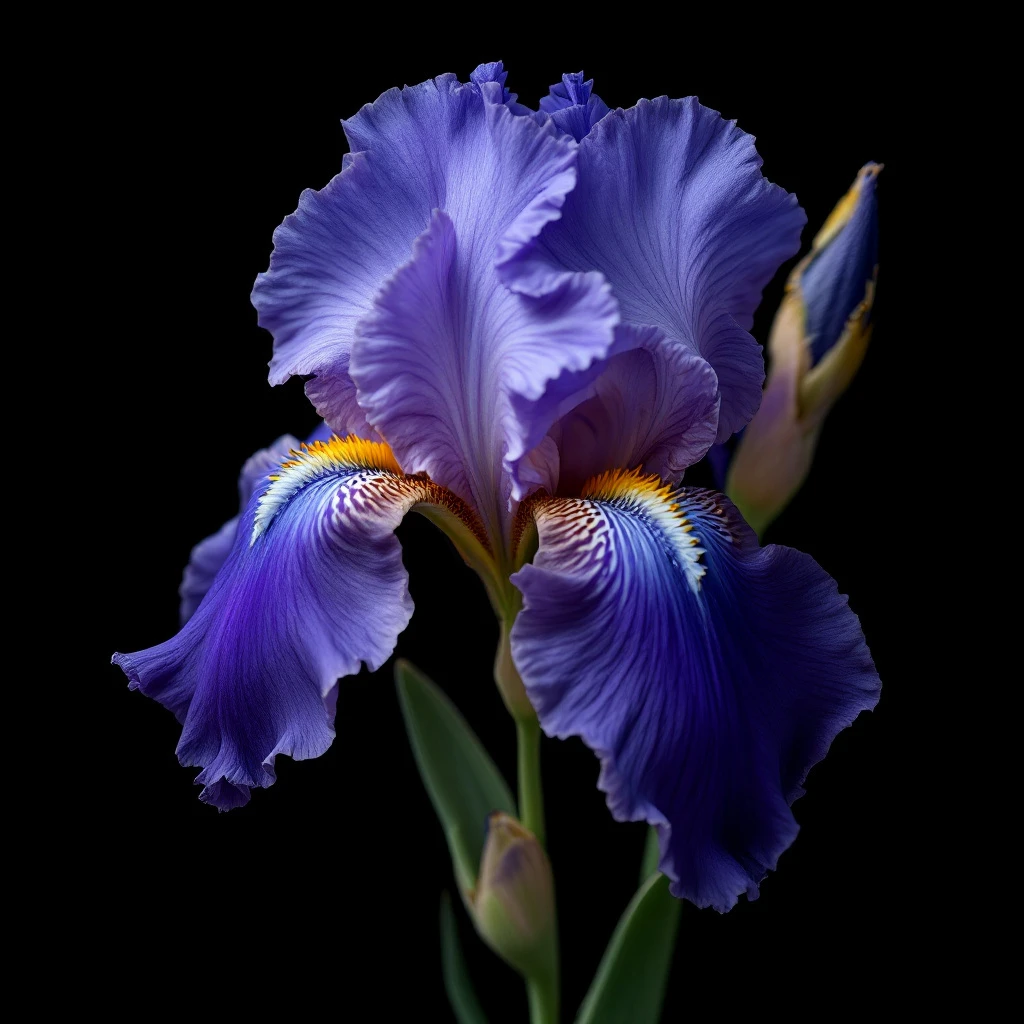
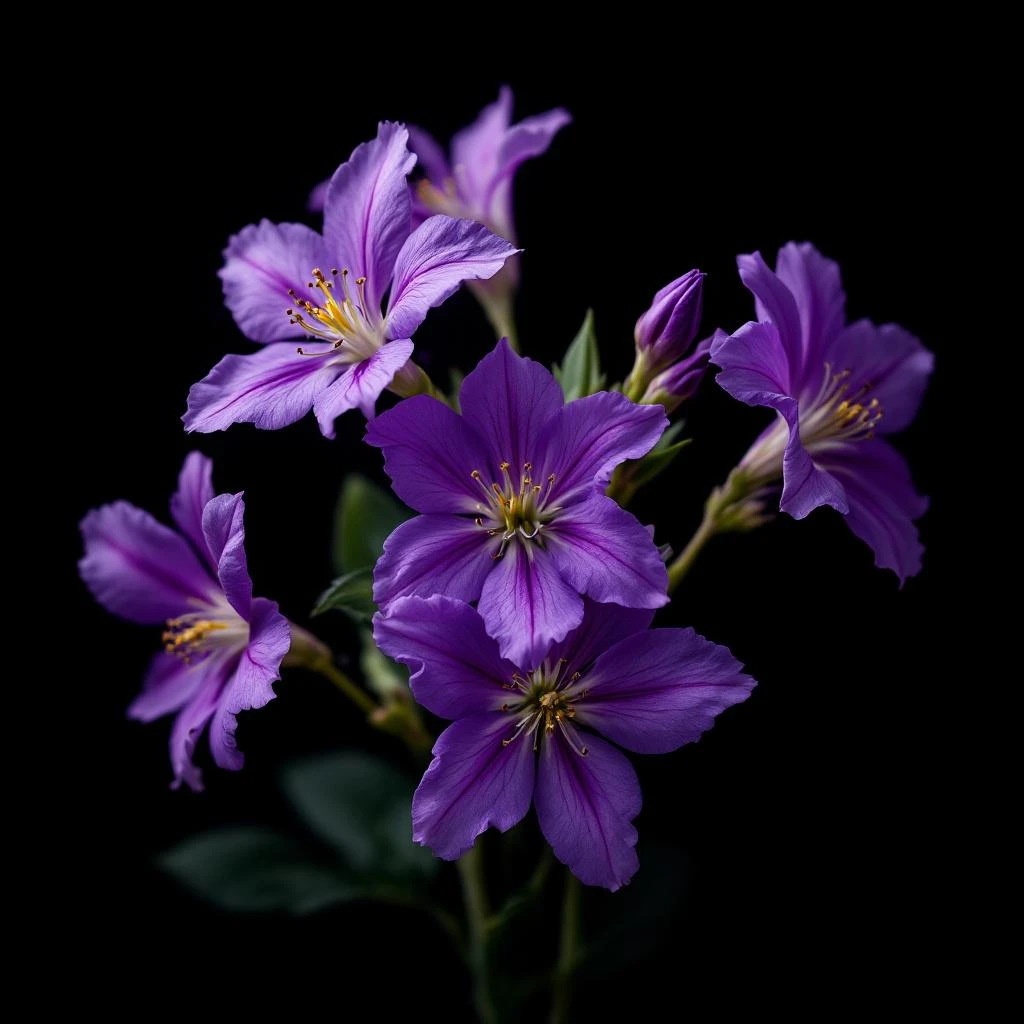
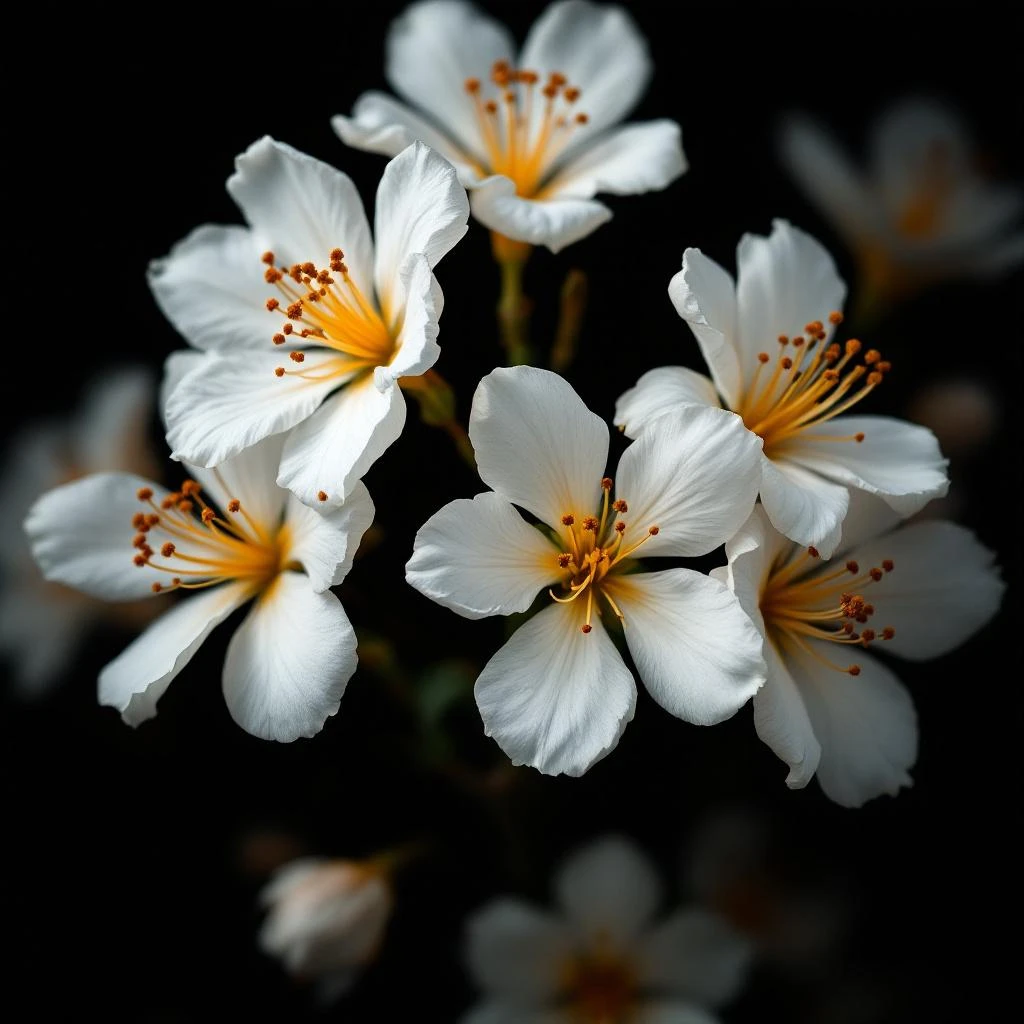
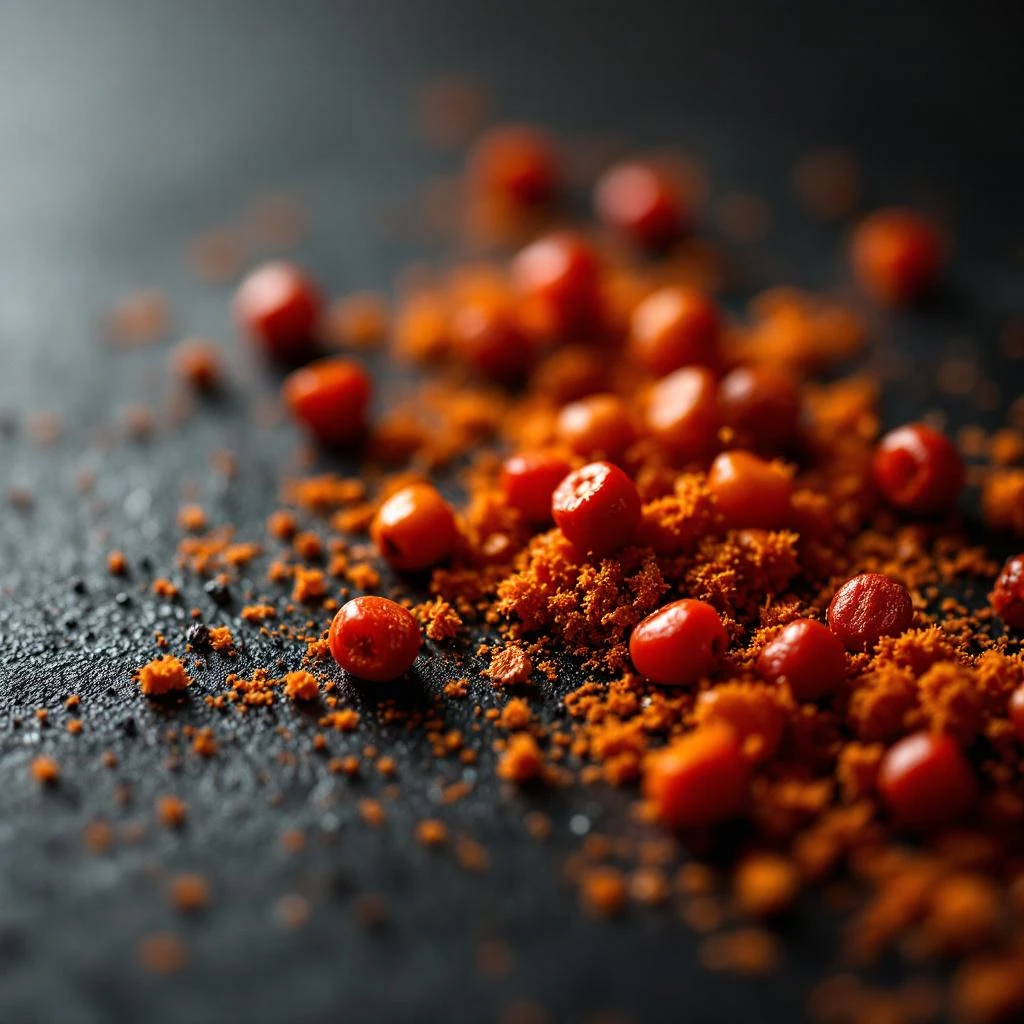
Iris germanica, or orris root, delivers one of perfumery's most coveted powdery florals. The rhizomes spend up to five years drying before yielding their prized irone-rich butter.
Character
How it smells
Three thousand years of powdery luxury from a dried root
Iris rhizomes must age three to five years after harvest; fresh roots smell earthy and unpleasant, while aged ones develop the violet-like scent perfumers prize.

Origin
Italy
Iris holds the distinction of being one of the oldest documented fragrance ingredients. Ancient Egyptians incorporated orris root into cosmetics, unguents, and ceremonial oils more than three thousand years ago, valuing it for both its scent and its purported skin-smoothing properties. The rhizome later traveled through Mediterranean trade routes, reaching Greece and Rome, where it appeared in perfumed powders and sachets.
During the Renaissance, Catherine de Medici helped popularize iris in French perfumery, and orris became a staple in the courts of Europe. By the 18th and 19th centuries, iris cultivation had concentrated in the Tuscan countryside near Florence, where the clay-rich soil and humid climate of the San Polo region proved ideal for Iris germanica. Today, that area still produces some of the world's most respected orris, though Morocco and China have also emerged as significant growers.
Iris's association with luxury persisted into the modern era, anchoring iconic powdery compositions and remaining a benchmark of perfumery's craft traditions.
Wears it best
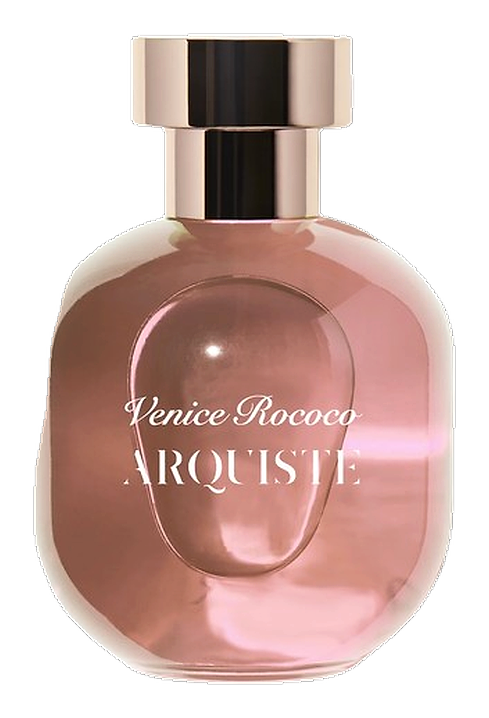
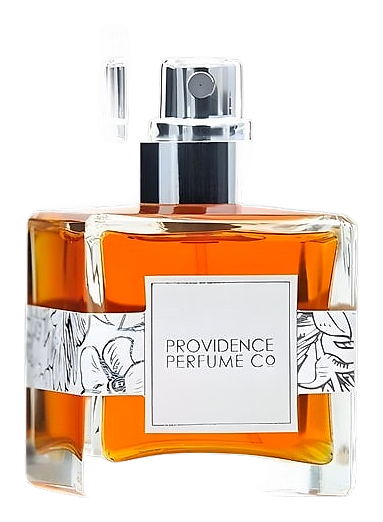
Fragrances featuring Iris germanica

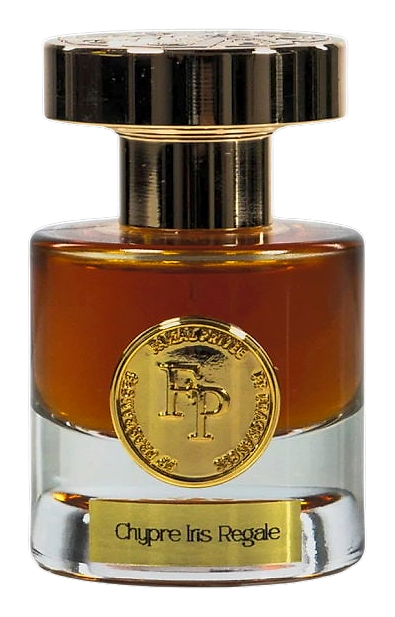
Brands
Brands known for Iris germanica
Good to know
Questions, answered
The essentials on Iris germanica in perfumery: how it smells, where it comes from, and how it behaves on skin.
What does Iris germanica smell like in perfume?
Iris germanica contributes a soft, powdery, violet-like aroma with subtle woody and earthy undertones. The scent is often described as refined and intimate, making it a staple in upscale floral and powdery compositions.
Why is orris root so expensive?
Orris root demands a three to five year drying period after harvest before it yields usable aromatic compounds. Combined with low yields of irones, this extended timeline makes iris one of perfumery's priciest naturals.
What is the difference between Iris germanica and Iris pallida?
Both belong to the same botanical family and produce similar orris butter, but Iris pallida (native to the former Yugoslavia) is often considered superior. Iris germanica thrives in Italy, Morocco, and China, offering comparable scent at different price points.
How long do iris rhizomes need to dry before distillation?
Iris rhizomes require a minimum of two to three years of aging, with five years considered optimal. This extended curing allows irones to develop through slow oxidation.
What is iris butter?
Iris butter is the waxy, yellow concentrate produced by steam-distilling aged orris root. It contains roughly 10 to 15 percent irones and serves as the base material for refined iris absolutes used in fine perfumery.
Where is Iris germanica primarily cultivated today?
Italy leads production, particularly the Tuscan region near Florence, where clay-rich soil supports premium crops. Morocco and China are the next significant growers.
When did iris first appear in European perfumery?
Iris entered French perfumery during the Renaissance through Catherine de Medici's court in the 16th century. By the 19th century, iris essence had become central to powdery French fragrance compositions.
Is iris used in anything besides perfume?
Historically, orris root featured in cosmetics, potpourri, and herbal remedies. It still appears today in high-end skincare for its supposed soothing properties, and in gin and aromatherapy products.