Hazelnut milk
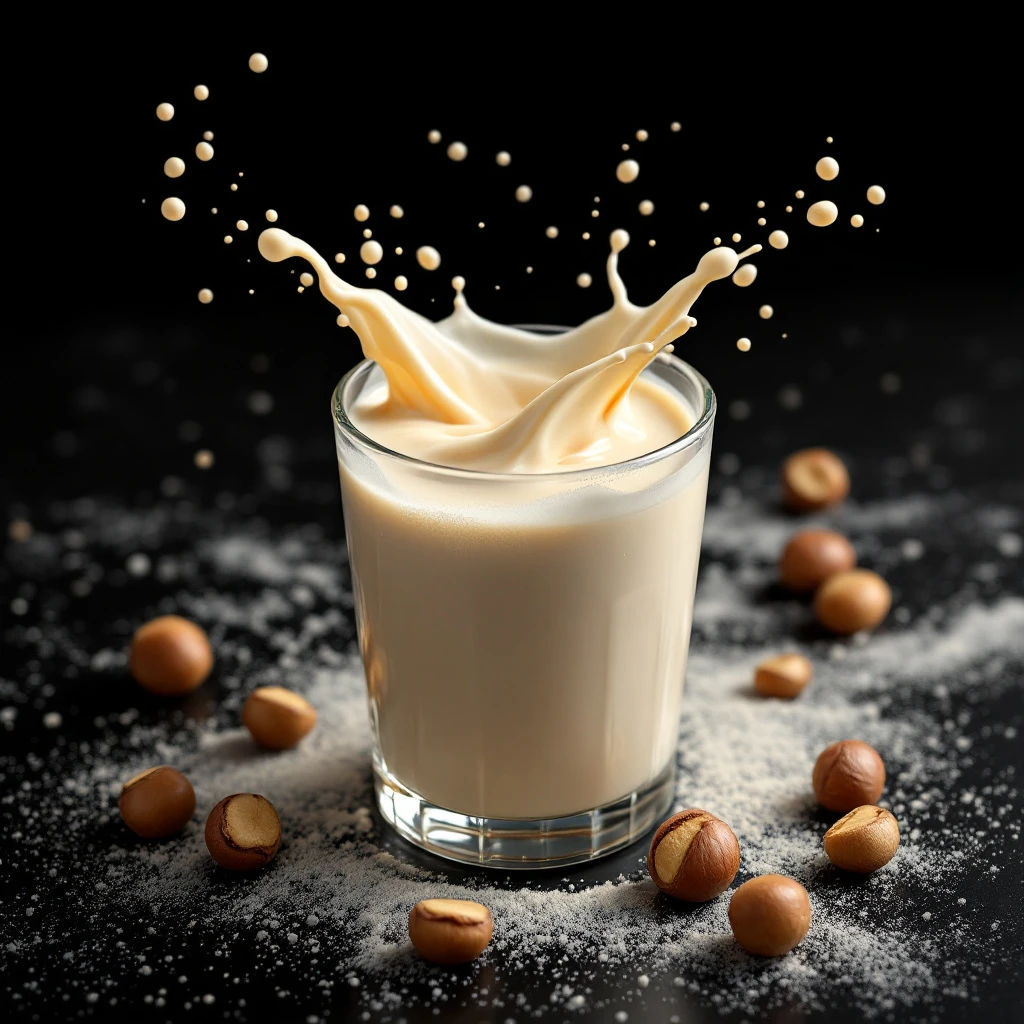
Hazelnut milk brings warm, creamy depth to fragrances with its nutty sweetness and soft lactonic warmth. This cozy note bridges gourmand and skin-like signatures.
Character
How it smells
Creamy, nutty warmth in every spritz.
Hazelnut oil contains over 60% oleic acid, which perfumers prize for its rich emollient properties both in skin care and fragrance compositions.





Origin
Turkey
Hazelnuts trace their roots to the Mediterranean and Black Sea regions, where ancient peoples gathered them as a staple food source. Turkey emerged as the primary cultivation center, and Ottoman cuisine elevated hazelnuts into both sweet and savory preparations. Their migration into Western kitchens happened gradually, but perfumery adoption of nut-derived materials accelerated during the 20th century when food-inspired fragrance became a recognized category.
The "milky" dimension reflects broader trends in modern perfumery, where lactonic materials gained prominence after mid-century formulators discovered how they soften florals and add skin-like warmth. Hazelnut milk represents a contemporary refinement, combining the warmth of roasted nuts with the softness of dairy without any actual dairy content.
Wears it best
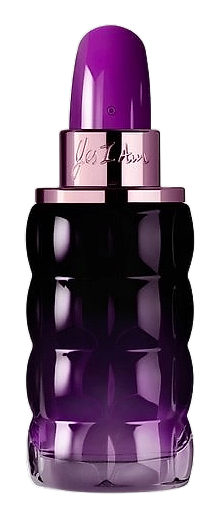
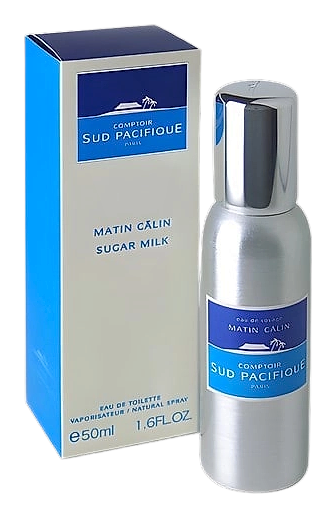
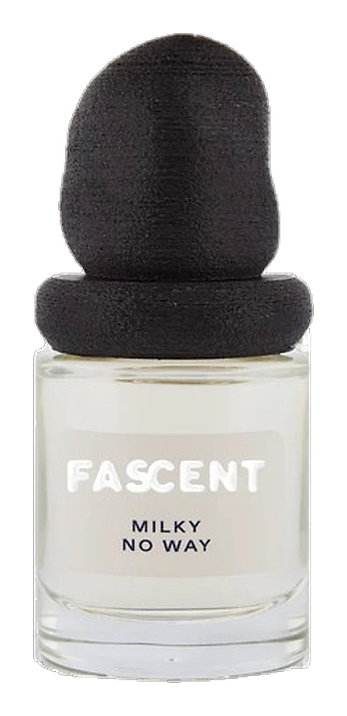
Fragrances featuring Hazelnut milk
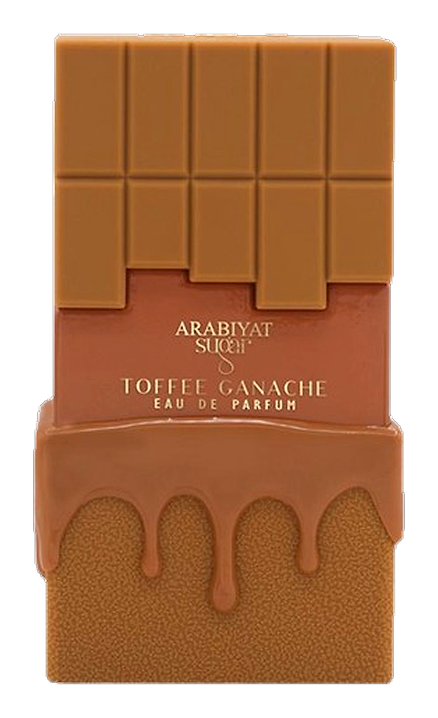
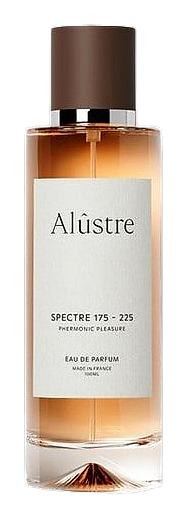
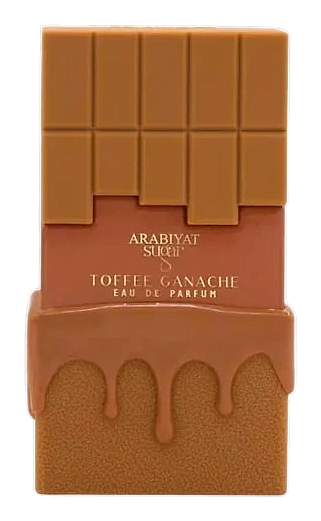
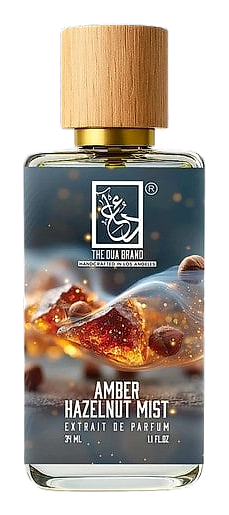
Brands
Brands known for Hazelnut milk
Good to know
Questions, answered
The essentials on Hazelnut milk in perfumery: how it smells, where it comes from, and how it behaves on skin.
Is hazelnut milk a natural or synthetic ingredient?
Hazelnut milk is typically a synthetic accord. Perfumers construct this note from aromatic molecules that replicate the smell of roasted hazelnuts in milk, combining nut-derived pyrazines with creamy lactones and sweet supporting materials.
What does hazelnut milk smell like?
It smells warm, nutty, and creamy with sweet undertones. The lactonic component adds a soft, skin-like quality while the pyrazines deliver the characteristic roasted hazelnut depth.
Which fragrances feature hazelnut milk?
Gourmand and oriental fragrances most commonly use hazelnut milk. It appears in warm oriental compositions, food-inspired scents, and designer fragrances that aim for cozy, edible signatures.
Does hazelnut milk contain actual dairy?
No, hazelnut milk contains no dairy. The name references its creamy, milk-like sensory profile. All materials are synthetic or nature-identical aromatic compounds.
What family does hazelnut milk belong to?
Hazelnut milk falls under the nutty and gourmand categories. It bridges warm oriental signatures with edible, cozy accords popular in contemporary perfumery.
Is hazelnut milk safe for sensitive skin?
Hazelnut milk itself poses low allergen risk, but compositions vary by product. Check individual fragrance ingredient lists for specific allergen declarations as formulations differ across brands.
What mood does hazelnut milk create in a fragrance?
It creates warmth and comfort. The creamy, edible quality makes fragrances feel cozy and approachable, often softening orientals or adding depth to lighter compositions.
What pairs well with hazelnut milk in perfumery?
Vanilla, sandalwood, amber, and tonka bean pair excellently with hazelnut milk. These warm materials amplify the creamy, nutty character while adding richness and depth to the overall composition.