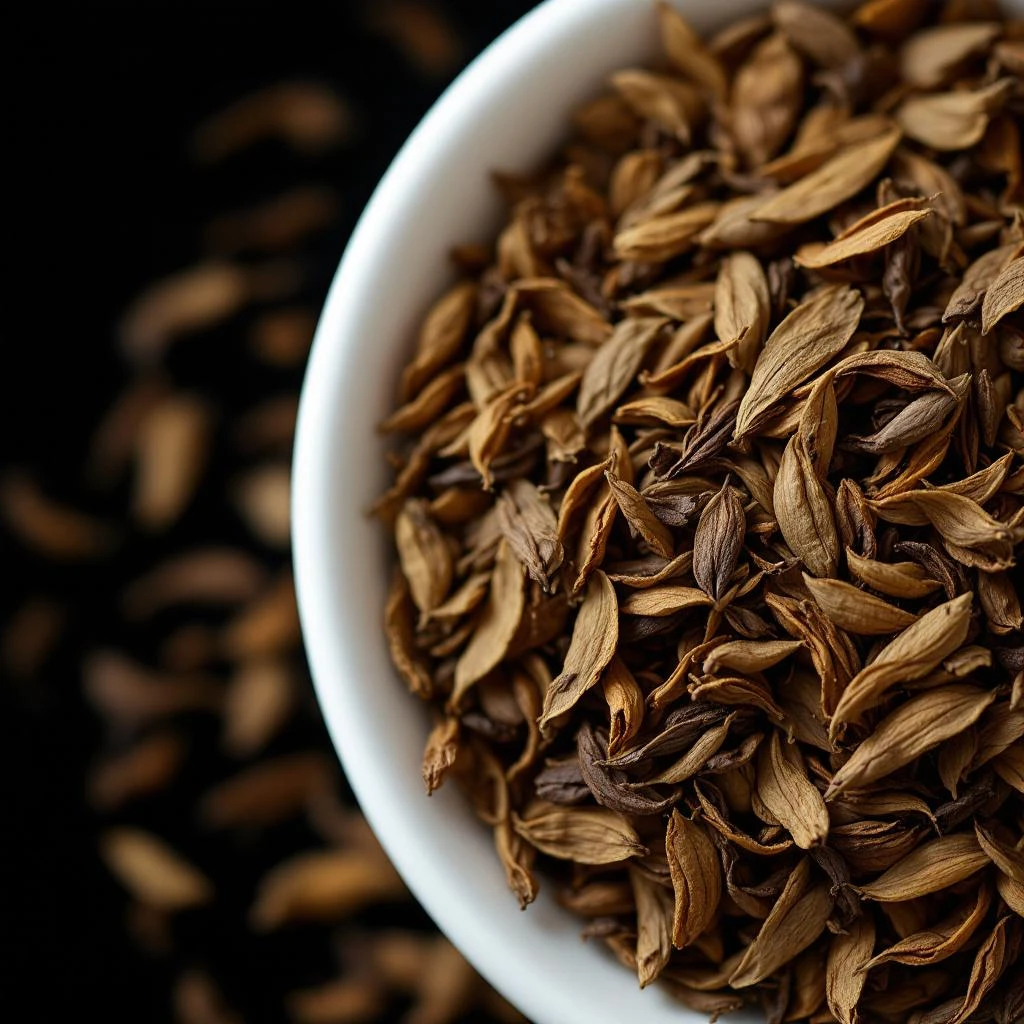
Character
How it smells
Heat with a green edge
Capsaicin, the compound responsible for chilli heat, is odorless to humans; the aromatic character comes from pyrazines and volatile sulfur compounds that perfumers actually isolate.
Origin
Mexico
Chilli peppers arrived in Europe after Christopher Columbus's voyages to the Caribbean in the late 15th century, spreading rapidly through Spain and Portugal before reaching kitchens and apothecaries across the continent. By the 16th century, physicians experimented with chilli-based preparations for pain relief and circulation.
The aromatic, non-pungent facets of the plant entered perfumery gradually, as interest grew in spicy and gourmand compositions during the late 20th century. Green chilli specifically, distinct from dried red chilli, gained attention as niche perfumers sought unusual vegetal notes.
Mexican and Thai culinary traditions, both deeply rooted in fresh green chilli usage, indirectly shaped how fragrance creators imagined the ingredient: bright, raw, and intensely green rather than smoky or cured. Today it remains a curiosity note, used sparingly for its realistic heat.
Good to know
Questions, answered
The essentials on Green Chilli in perfumery: how it smells, where it comes from, and how it behaves on skin.
What does green chilli smell like in perfume?
Green chilli smells sharp, vegetal, and peppery with a raw, fresh-cut quality. The burning sensation from capsaicin carries no aroma; perfumers isolate pyrazines instead, producing a crisp heat without culinary pungency.
How is green chilli essence extracted for fragrance?
CO2 extraction of fresh unripe pods produces an oleoresin rich in volatile aroma compounds. Most commercial extraction targets food flavoring, making genuine perfumery-grade green chilli quite rare and costly.
Why is green chilli uncommon in fine fragrance?
True green chilli extract is difficult to dose because of its intensity and because most production targets the food industry. Synthetic aroma chemicals like 2-isobutyl-3-methoxypyrazine often substitute for the fresh-pepper effect.
Where does green chilli originate?
Green chilli originates in Mesoamerica, where Capsicum annuum was domesticated in Mexico thousands of years ago. It spread globally after Spanish explorers carried pods back to Europe in the late 1400s.
Is green chilli the same as red chilli in perfumery?
No. Green chilli delivers a fresher, more vegetal and grassy character, while red chilli leans toward dried, smoky, and slightly sweet notes. The chemical profiles differ significantly based on ripeness and drying.
Does capsaicin contribute to the scent of green chilli?
Capsaicin is entirely odorless to humans despite causing the burning sensation on skin and tongue. The recognizable sharp, peppery aroma comes from pyrazines, aldehydes, and sulfur-containing volatiles in the pod tissue.
Which fragrance families feature green chilli notes?
Green chilli appears primarily in spicy, aromatic, and avant-garde niche compositions. It occasionally surfaces in green-floral or culinary-gourmand blends seeking an unexpected vegetable accent or a realistic fresh-pepper lift.
Is green chilli safe to wear on skin?
Yes, when used at perfumery dilution levels. Fragrance formulations contain only trace amounts of oleoresin or synthetic substitutes, far below concentrations that would trigger capsaicin-related irritation on healthy skin.