Green Cactus
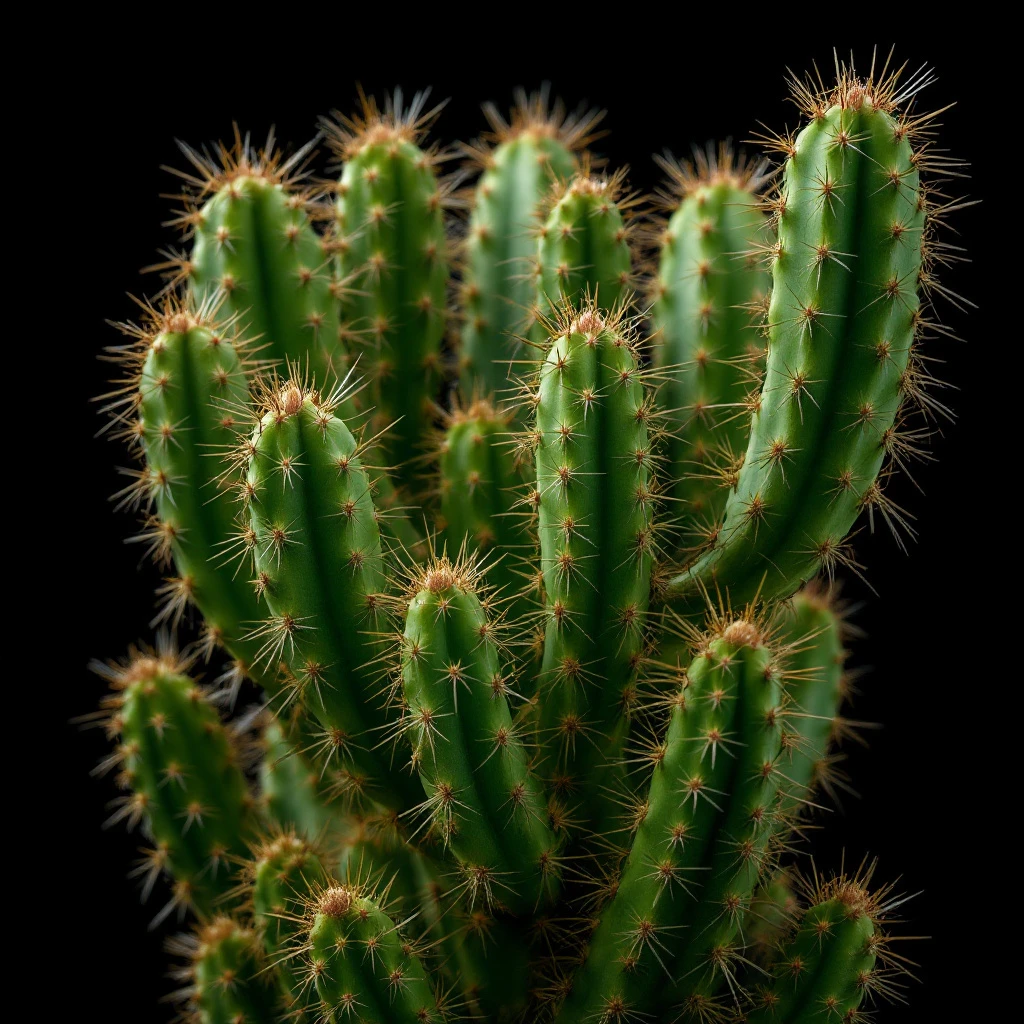
The prickly pear and aloe vera families provide cactus juice, which captures the crisp, waxy freshness of succulent plants in their natural habitat. This note brings an architectural greenness to compositions that feels both modern and primal.
Character
How it smells
Desert-fresh, architectural green.
Cacti evolved their thick, waxy skin to retain water in arid environments. The same compounds that create this protective coating produce cactus juice's distinctive crisp, cool aroma.




Origin
Mexico
Indigenous peoples of the Americas used cactus plants for medicine, food, and ritual for thousands of years before perfumery existed. Spanish colonialists brought prickly pear to Europe in the 16th century, where botanists studied its remarkable drought resistance. Modern perfumery discovered cactus as a fragrance material only in the late 20th century, when green notes gained popularity as alternatives to traditional florals.
The ingredient emerged during a period when perfumers sought unusual botanical sources and clean, fresh scent profiles. Today cactus represents a bridge between desert plant traditions and contemporary fragrance innovation, valued for its ability to suggest cool, hydrated freshness even in arid contexts.
Wears it best
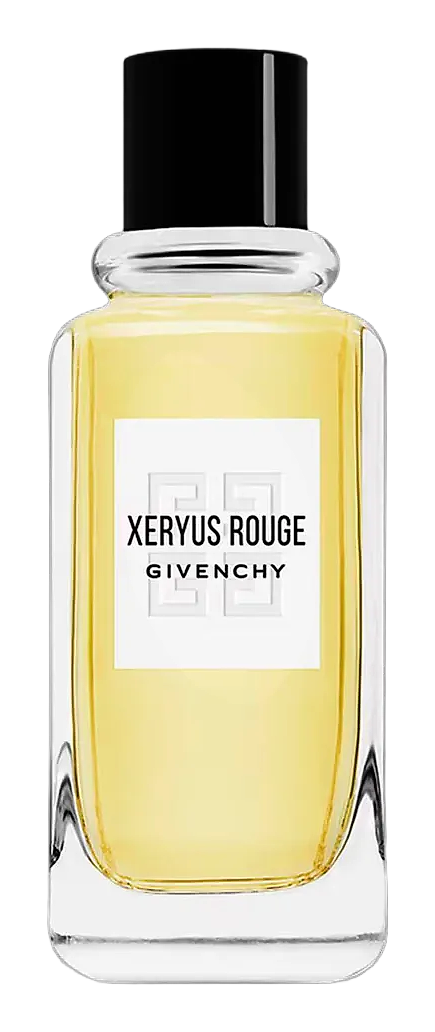
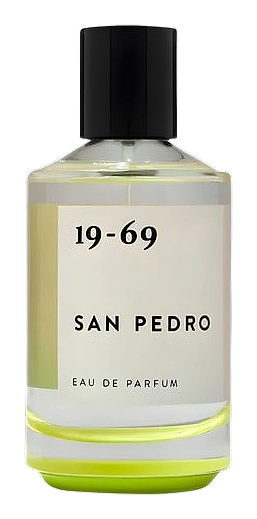
Fragrances featuring Green Cactus
Good to know
Questions, answered
The essentials on Green Cactus in perfumery: how it smells, where it comes from, and how it behaves on skin.
What does green cactus smell like?
Cactus juice delivers a crisp, waxy greenness with cool, watery undertones. The scent mimics fresh-cut succulent stems and the plant's protective coating. It brings an architectural, structured quality rather than typical leafy greens.
Which cactus species produce perfumery ingredients?
Prickly pear (Opuntia ficus-indica) and select aloe species yield the most prized cactus extracts. These succulents concentrate volatile compounds that create the distinctive crisp, cool aroma. Perfumers source from arid growing regions worldwide.
Is cactus note natural or synthetic?
Both natural and synthetic options exist. Natural cactus juice comes from solvent extraction of fresh cactus material. Reconstructed versions combine green accord materials like cis-3-hexenol with watery molecules to mimic the note. Quality and availability drive which type perfumers select.
What fragrance families use cactus notes?
Cactus juice appears most in modern green and aquatic fragrances. Perfumers pair it with citrus, white florals, and ozonic elements. The note also works in chypre and fougère structures where it adds unexpected freshness and depth.
How is cactus juice extracted for perfumery?
Manufacturers use solvent extraction on fresh cactus pads and stems. This method pulls delicate volatile compounds without heat damage. The resulting concrete contains the characteristic green, waxy aroma compounds. Supercritical CO2 extraction offers another modern option for purer extracts.
What compounds create cactus juice aroma?
Multiple volatile organic compounds contribute to cactus juice's scent profile. These include green-leaf alcohols like cis-3-hexenol and waxy aldehydes. The combination creates that distinctive cool, succulent quality unique to cactus-derived ingredients.
Does cactus juice have fixative properties?
Cactus juice functions primarily as a heart or top note rather than a fixative. The volatile compounds evaporate within hours on skin. It contributes freshness and diffusion to compositions rather than longevity.
Which perfumes feature cactus as a key ingredient?
Several contemporary fragrances center cactus juice as a signature element. These compositions typically target consumers seeking fresh, modern green scents. The ingredient has grown in popularity over the past two decades as green fragrance trends expanded.