Green banana peel
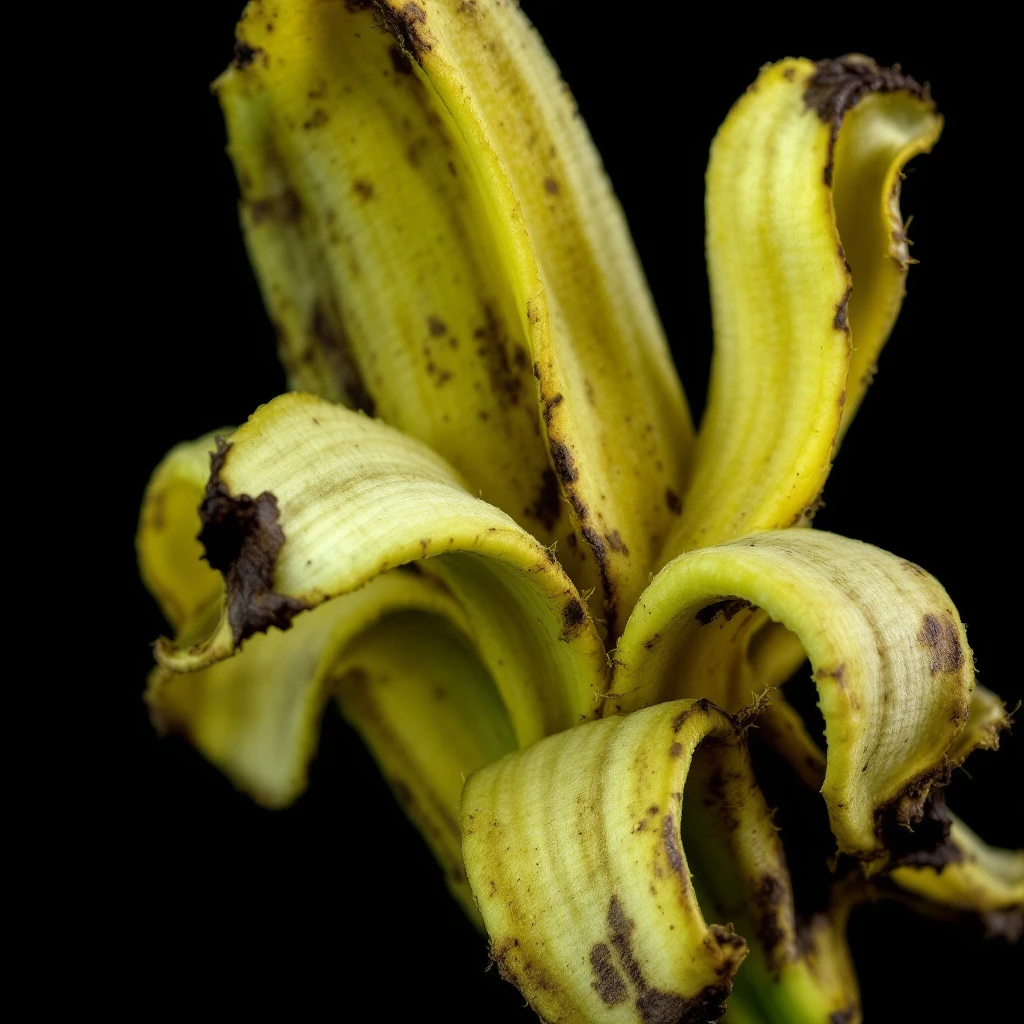
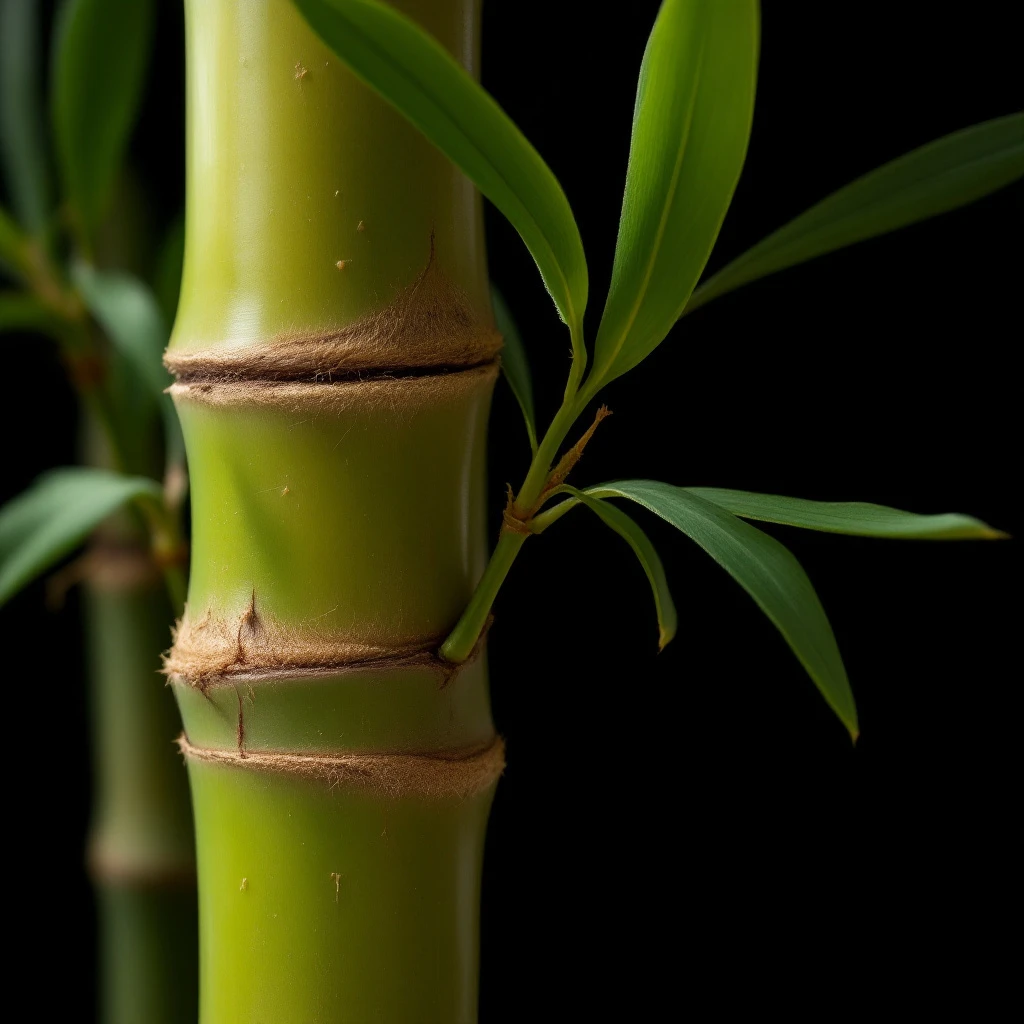
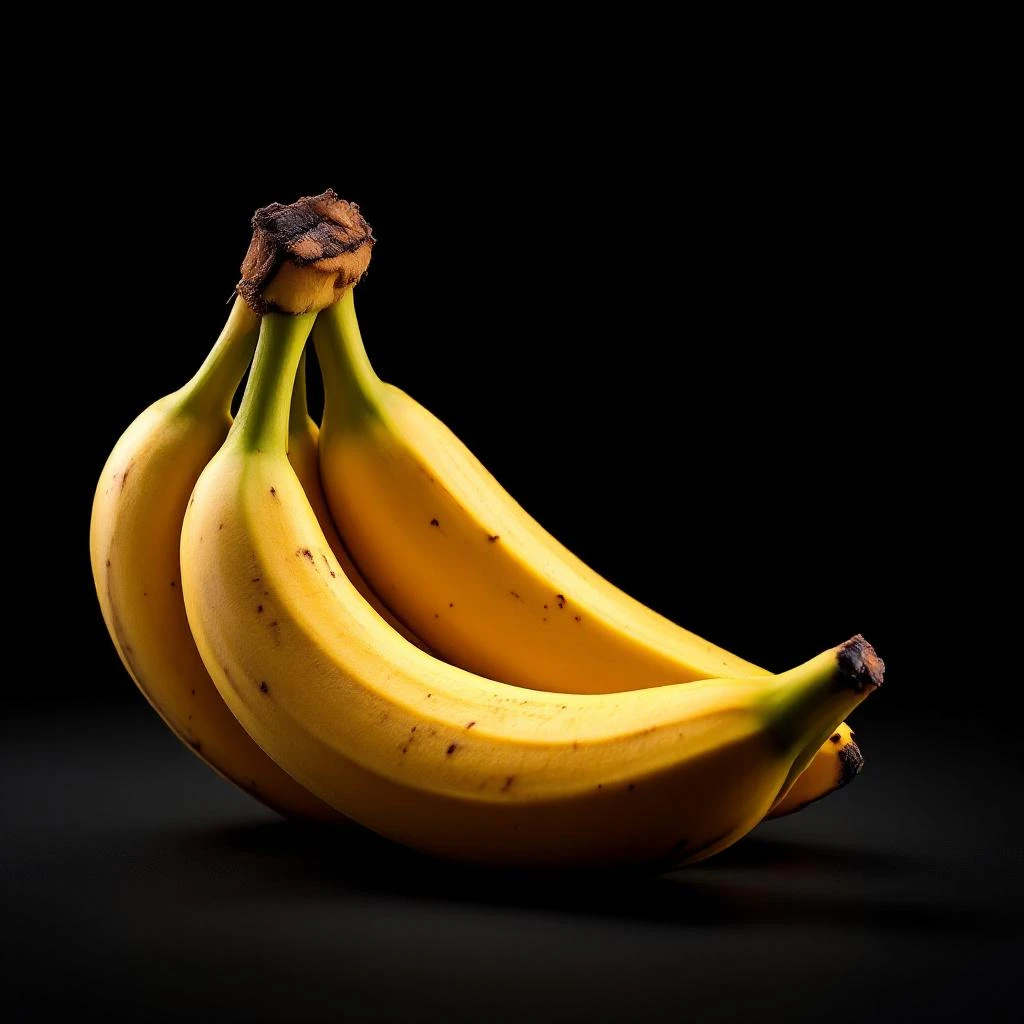
Green banana peel delivers a crisp, vegetal scent that captures the moment before ripening—fresh, slightly tart, with an unexpected sweetness lurking beneath. Perfumers prize this note for its ability to ground fruity compositions with organic authenticity.
Character
How it smells
The fresh, green whisper before the fruit ripens.
Isoamyl acetate—the primary aromatic compound in green banana peel—gives both the peel and ripe fruit their characteristic fruity scent.

Origin
Philippines
Banana cultivation dates back at least 7,000 years, with origins in the Malay Archipelago and New Guinea. Ancient cultures used every part of the plant—fruit, peel, leaves, and even the pseudostem—long before synthetic aromatic compounds existed. Traditional practices across Southeast Asia recognized that green banana peel carried different properties than ripe peel.
Indigenous communities incorporated banana peel into topical applications and culinary preparations, unknowingly preserving aromatic compounds. Modern perfumery began isolating these compounds in the late 19th century as analytical chemistry advanced, eventually allowing perfumers to capture green banana peel's fresh, unripe character for fine fragrance use.
Wears it best
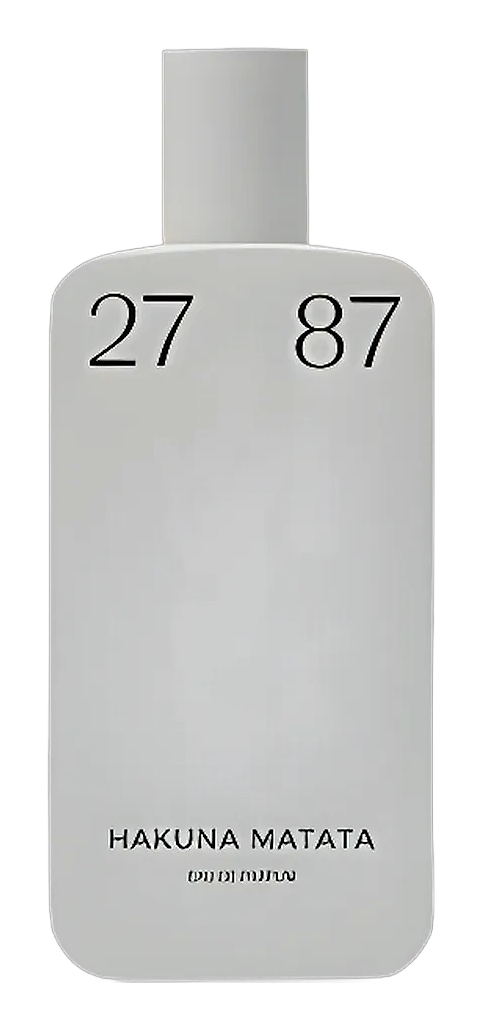
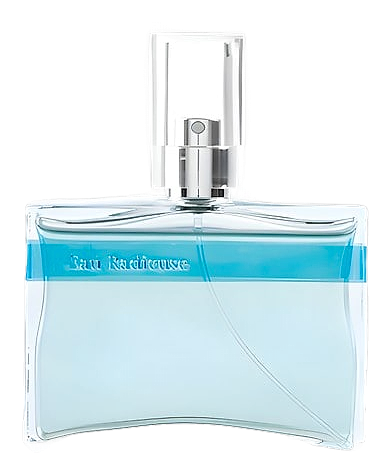
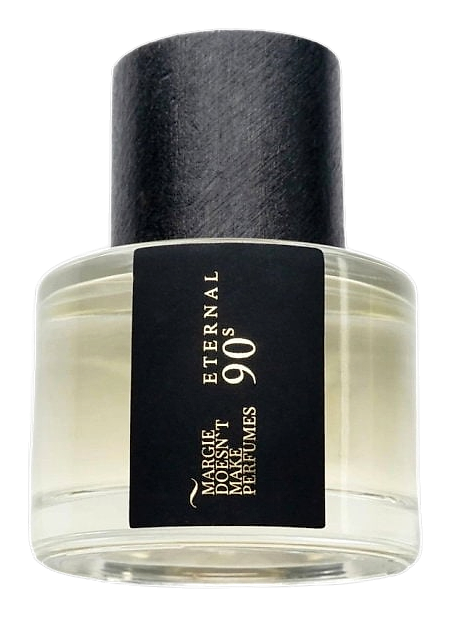
Fragrances featuring Green banana peel
Brands
Brands known for Green banana peel
Good to know
Questions, answered
The essentials on Green banana peel in perfumery: how it smells, where it comes from, and how it behaves on skin.
What does green banana peel smell like?
Green banana peel offers a crisp, vegetal aroma with tart edges and a subtle underlying sweetness. Think of the scent released when you peel a firm, unripe banana—fresh, green, and surprisingly clean. This note adds organic authenticity to fruity and tropical fragrance compositions.
Is green banana peel extracted synthetically or from actual peels?
Green banana peel is extracted from actual peels using steam distillation. Researchers isolate compounds like isoamyl acetate from fresh peel rather than synthesizing them. Some fragrance houses use combinations of natural extraction and nature-identical compounds to ensure consistency.
What compounds give green banana peel its characteristic scent?
Isoamyl acetate is the primary aromatic compound in green banana peel, contributing its distinctive fruity-green note. Additional esters and volatile compounds round out the scent profile, creating the fresh, slightly tart quality that perfumers seek.
How does green banana peel differ from banana fruit absolute?
Green peel captures the fresh, unripe moment—vegetal, tart, and crisp. Ripe banana absolute emphasizes the sweet, full fruit character. The green peel note functions differently in a formula, providing lift and organic texture rather than sweetness.
Which fragrance families use green banana peel?
Perfumers incorporate green banana peel in fruity, tropical, and green fragrance families. It pairs well with coconut, mango, and other tropical notes while also bridging fruit and green-vegetal elements in compositions.
What extraction method preserves the green character best?
Steam distillation preserves the fresh, green character by capturing volatile compounds before enzymatic degradation occurs. Processing fresh peels immediately after harvest yields the most authentic green note. Solvent extraction can capture additional aromatic molecules but may alter the delicate green quality.
Why do perfumers source banana peel from specific regions?
Banana variety significantly impacts aromatic compound concentration. Lakatan bananas, common in Southeast Asia, contain higher concentrations of isoamyl acetate. Regional sourcing ensures consistent quality and fragrance characteristics across batches.
Can green banana peel be harvested sustainably for fragrance?
Green banana peel extraction repurposes agricultural waste from banana cultivation, creating value from material that would otherwise go unused. This circular approach reduces waste while producing a desirable aromatic ingredient.