Fresh Citrus
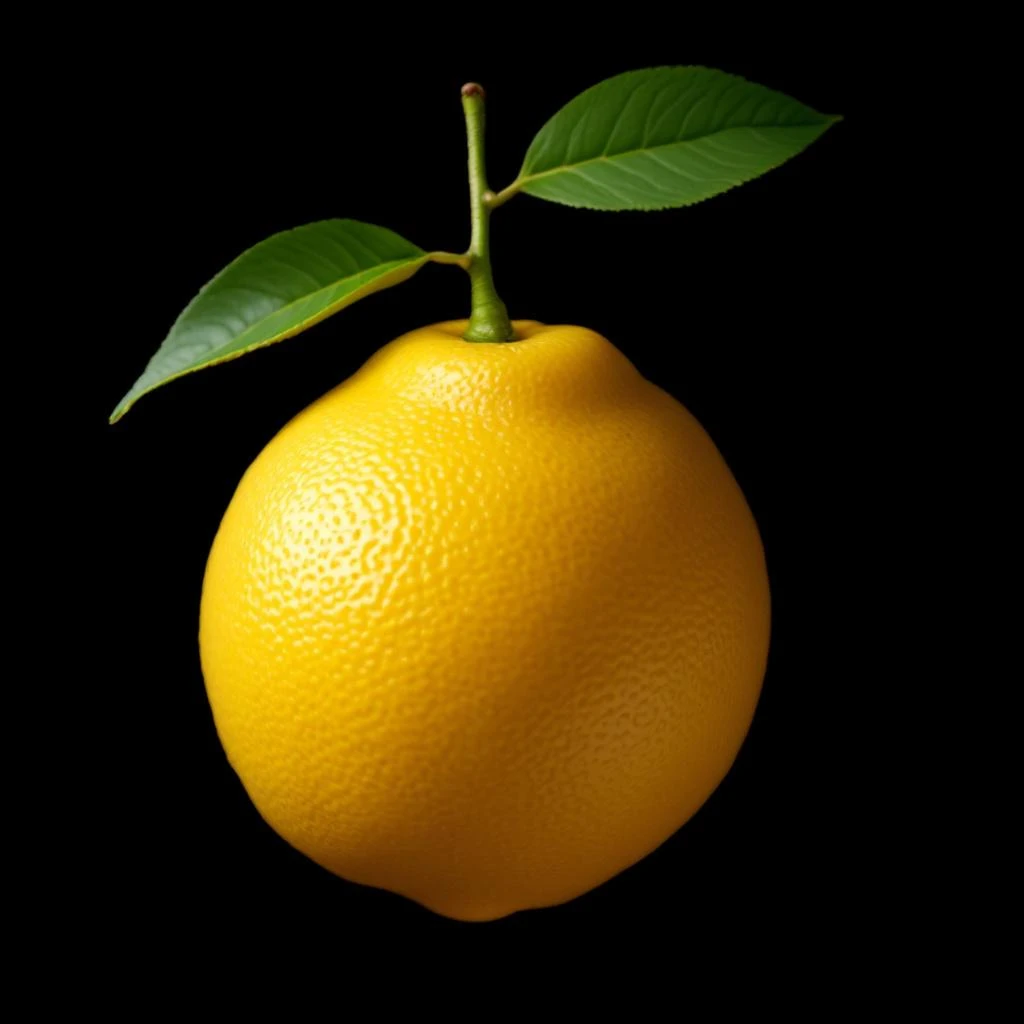
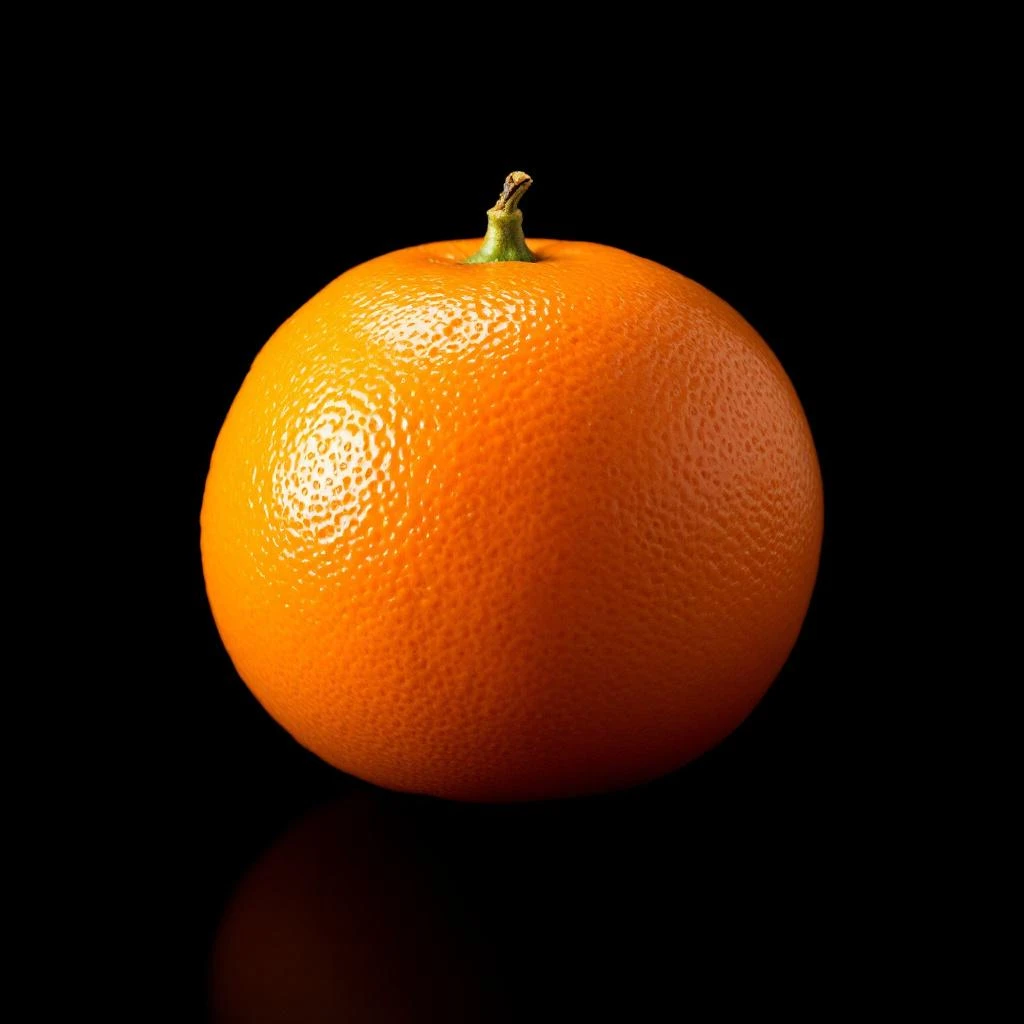
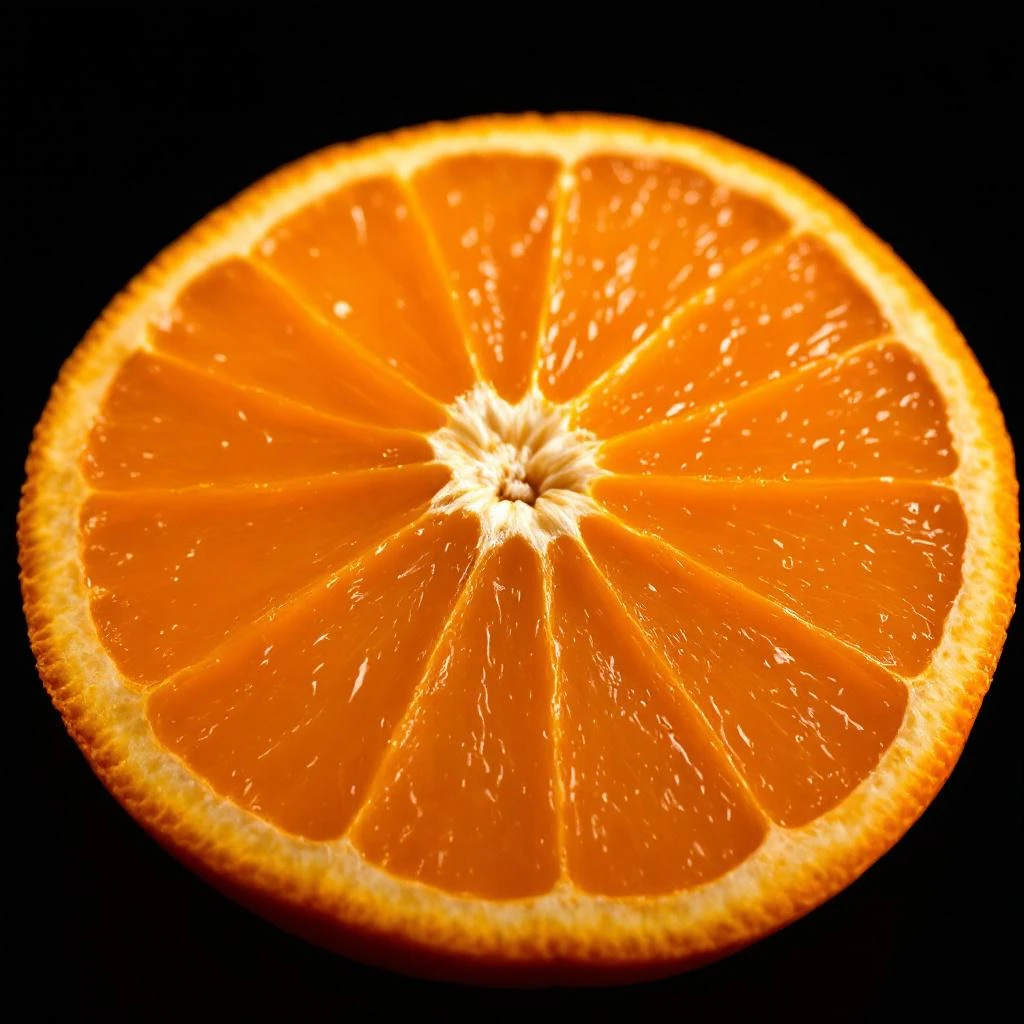
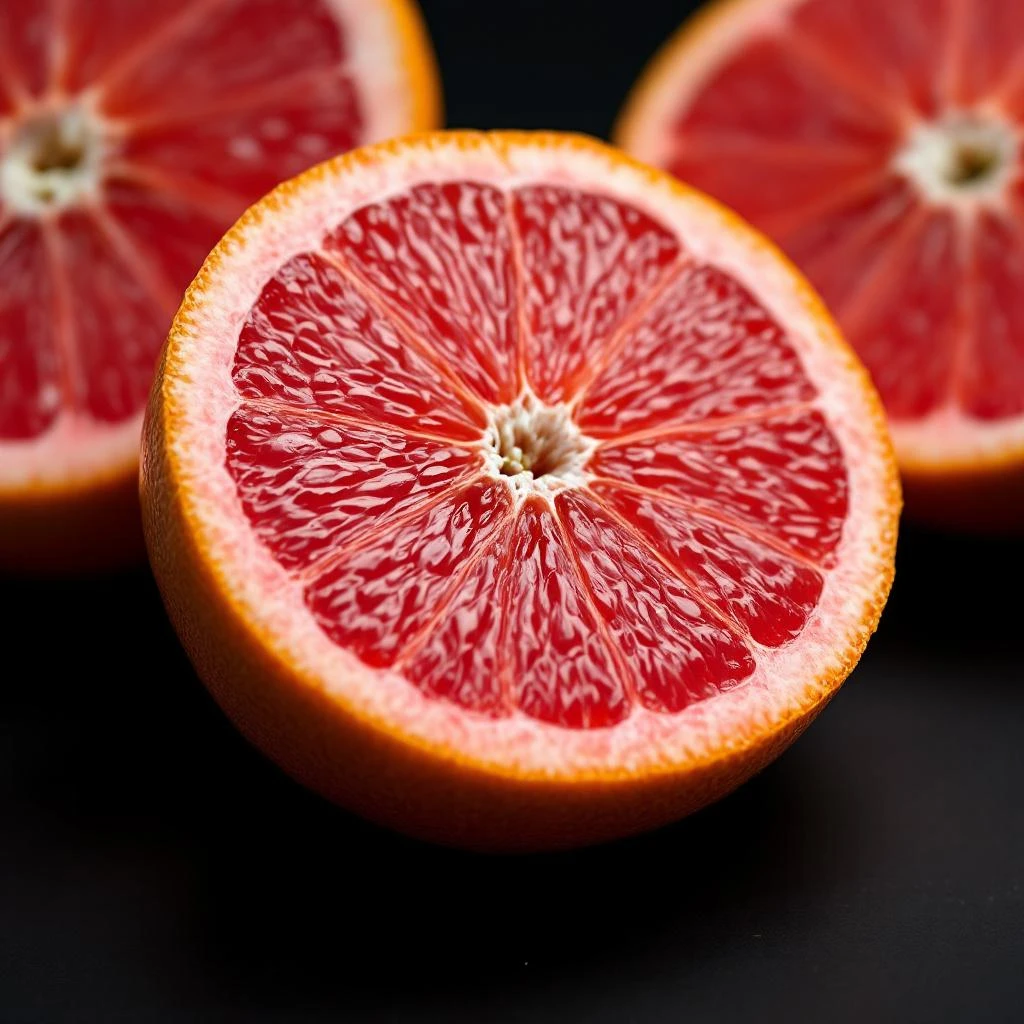
Fresh Citrus oils deliver the vibrant, sun-drenched character of lemon, bergamot, orange, and grapefruit rinds. These volatile, sparkling materials open fragrances with immediate brightness and a clean, energizing presence that has defined perfumery for centuries.

Character
How it smells
Sun-drenched brightness captured from citrus peel.
It takes approximately 300 pounds of Italian bergamot peel to produce just one pound of bergamot essential oil.
Pairs beautifully with

Origin
Italy
Citrus has shaped perfumery since the first Eau de Cologne appeared in 1709 Cologne, Germany, though its roots extend to ancient Egyptian and Roman perfumers who used aromatic citrus preparations. The Mediterranean basin, particularly southern Italy, Spain, and Greece, became the heart of citrus cultivation for perfumery. Bergamot from the Calabrian coast achieved particular prominence, gracing the original Eau de Cologne formula and later countless fine fragrances.
The 19th century brought synthetic aromatics, but citrus remained essential. Modern perfumers continue to prioritize natural citrus oils for their irreplaceable freshness, even as sustainable sourcing and traceability have become critical concerns for the industry.
Wears it best
Fragrances featuring Fresh Citrus

Brands
Brands known for Fresh Citrus
Good to know
Questions, answered
The essentials on Fresh Citrus in perfumery: how it smells, where it comes from, and how it behaves on skin.
What does fresh citrus smell like in perfume?
Fresh citrus delivers bright, zesty, and sparkling aromas reminiscent of just-peeled fruit. Lemon and bergamot offer sharp, cool brightness; orange and mandarin add sweeter, warmer facets; grapefruit brings bitter-fresh tension. The effect is immediate, clean, and energizing.
How long do citrus notes last on the skin?
Citrus oils are highly volatile and typically last 15 minutes to 2 hours on skin. Their small molecular weight causes rapid evaporation, which is why perfumers often pair citrus with longer-lasting base materials to extend its presence.
Is citrus oil natural or synthetic in modern perfume?
Most premium fragrances use natural citrus oils from cold-pressed fruit peel. However, isolates like d-limonene and synthetic alternatives exist for cost and stability reasons. Natural and synthetic versions can smell nearly identical.
Which citrus ingredient is most common in perfumery?
Bergamot from Calabria, Italy, ranks among the most used citrus materials in fine fragrance. Its complex profile combines sweet and bitter orange with floral and spicy undertones, making it exceptionally versatile. Lemon, orange, and grapefruit follow in popularity.
Why do citrus notes evaporate so quickly?
Citrus oils contain high proportions of monoterpenes like limonene and citral, which have low molecular weights and high volatility. This chemical property creates their characteristic bright scent but also causes rapid evaporation when exposed to air or warmth.
Does cold pressing preserve citrus oil quality better than distillation?
Yes. Cold pressing mechanically extracts oils without heat, protecting temperature-sensitive aromatic compounds that give citrus its fresh, bright character. Steam distillation can alter the scent profile, producing warmer, more herbal notes instead of the characteristic sparkling freshness.
Can citrus oils cause skin sensitivity?
Some citrus oils, particularly expressed lemon and lime, contain furanocoumarins that increase photosensitivity. Bergamot and cold-pressed orange oils are generally better tolerated. Regulatory limits exist for certain citrus materials in cosmetic applications.
What's the difference between citrus essential oils and fragrance oils?
Essential oils are cold-pressed or steam-distilled from plant material and contain the full natural aromatic profile. Fragrance oils may be synthetic recreations, diluted concentrates, or blends designed for specific odor characteristics. Natural essential oils typically offer greater complexity.