French jasmine absolute
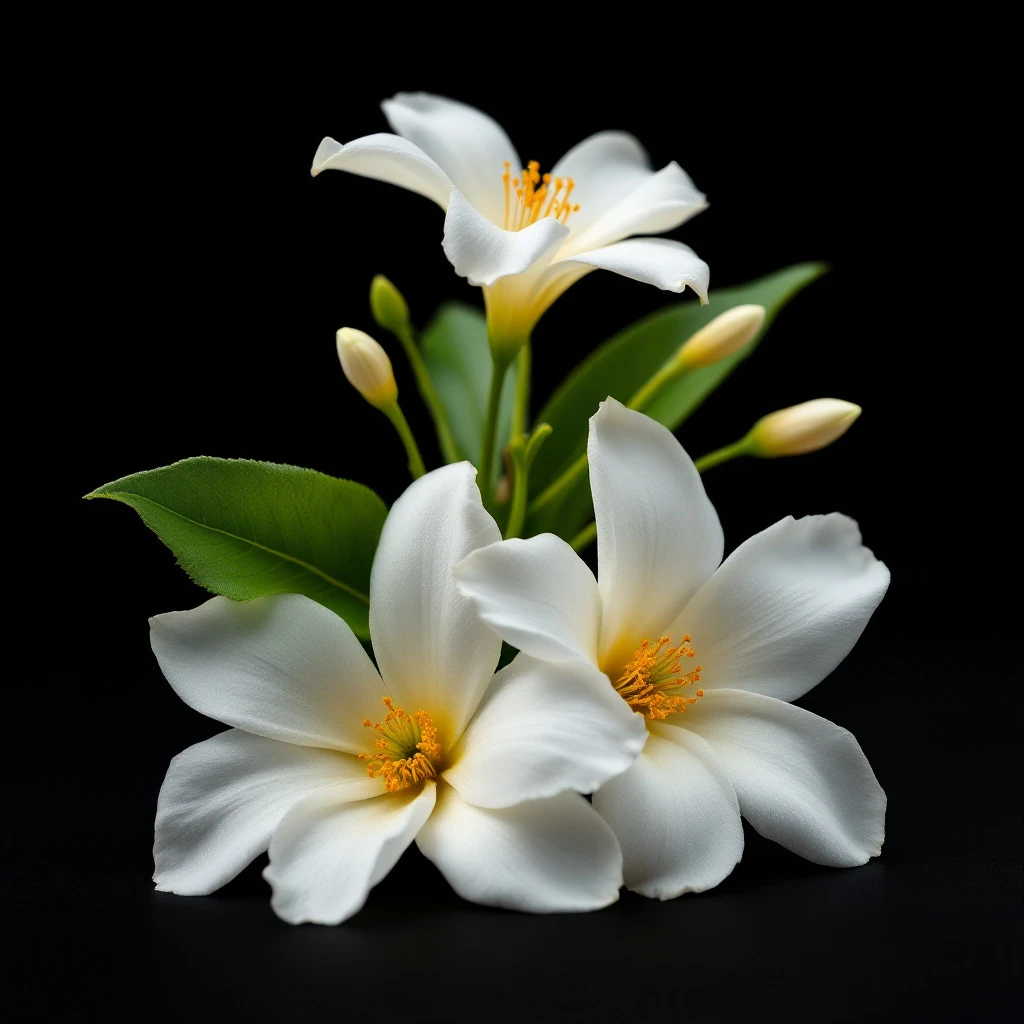
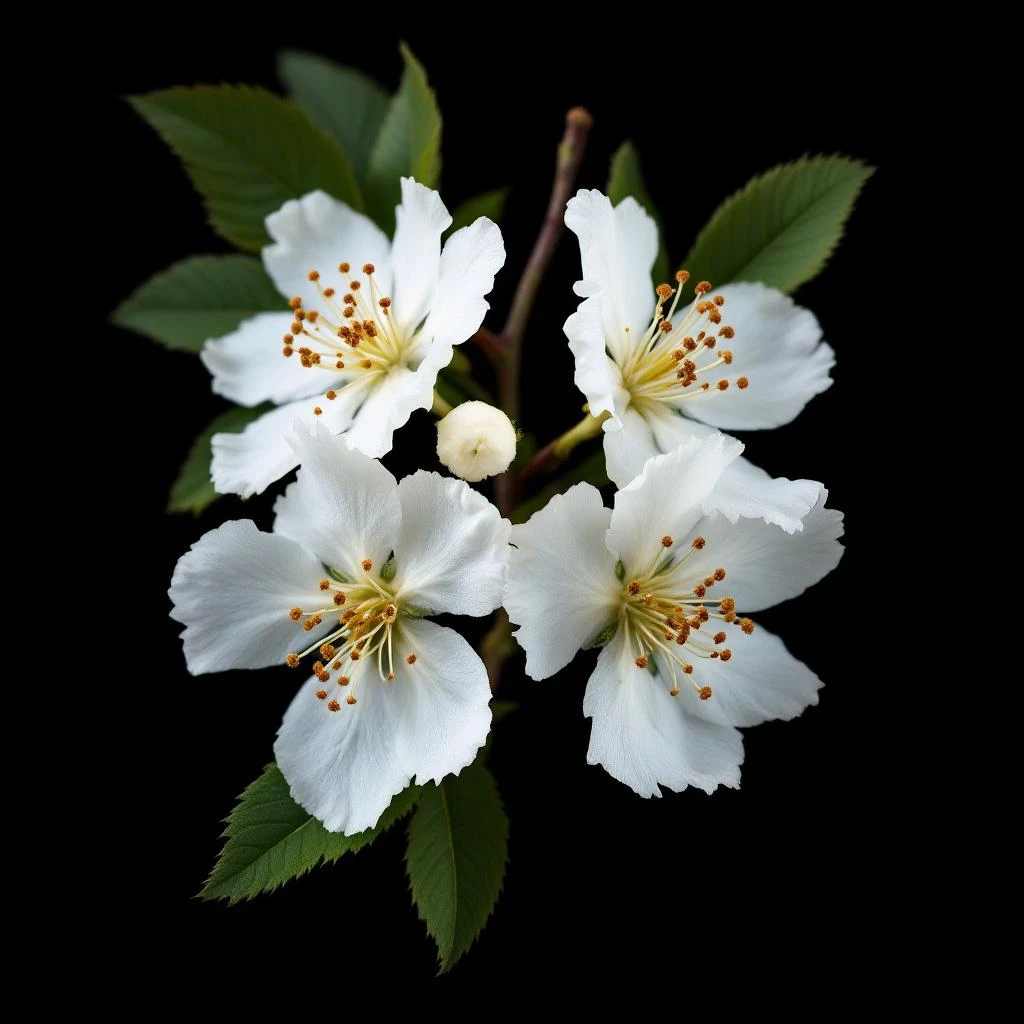
Mekong jasmine absolute captures the intoxicating, indolic sweetness of night-blooming flowers. Rich in linalool and benzyl acetate, it delivers a lush floral heart with warm, slightly animalic undertones that anchor fine fragrances.
Character
How it smells
The queen of florals: sensual, warm, irreplaceable.
Hundreds of years ago in France, perfumers extracted jasmine scent using odorless animal fat in a technique called enfleurage.


Origin
France
Jasmine traces its origins to the Himalayan foothills and ancient Persia, though Egyptians documented its use for perfumery as early as the first millennium BCE. French production centered in Grasse began in the 1850s, where jasmine became one of the region's flagship naturals.
While Grasse once dominated global supply, the region now hosts a single remaining supplier. Egypt, India, and Morocco have become the primary production regions, yet French jasmine absolute from Grasse remains the benchmark for quality.
Chanel famously built its signature fragrances around Grasse jasmine beginning in 1920, cementing its place in luxury perfumery history. Two species dominate commercial production: Jasminum grandiflorum, named for its larger blossoms, and Jasminum officinale.
Wears it best
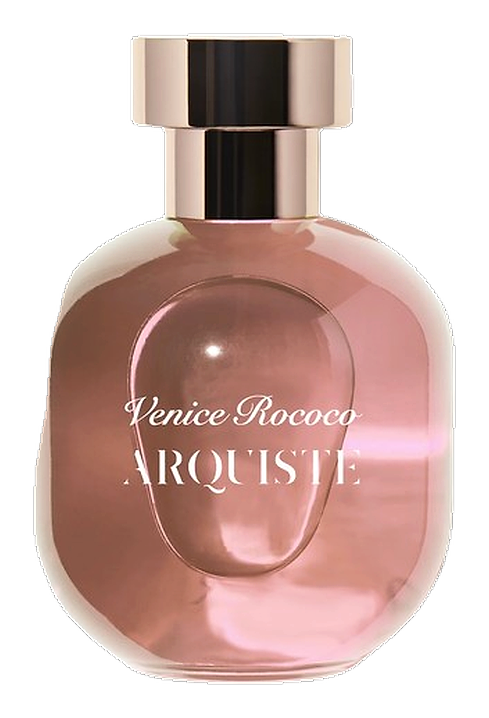
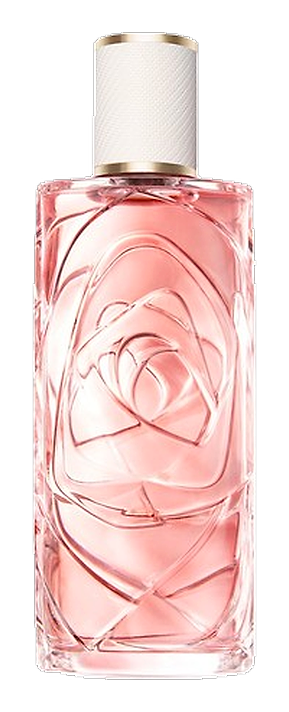
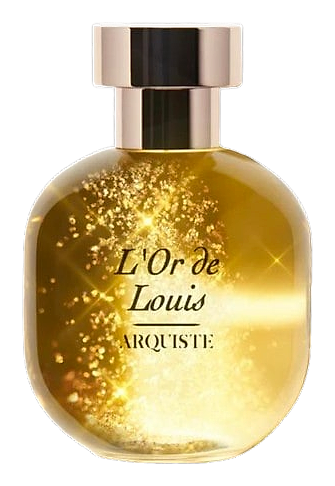
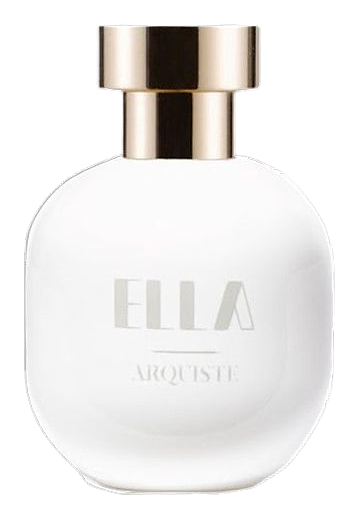
Fragrances featuring French jasmine absolute
Good to know
Questions, answered
The essentials on French jasmine absolute in perfumery: how it smells, where it comes from, and how it behaves on skin.
What does French jasmine absolute smell like?
French jasmine absolute smells intensely floral with sweet, indolic, and slightly animalic undertones. The scent combines lush white-flower notes with warm fruity nuances of banana and honey, balanced by a creamy, slightly woody drydown.
How is jasmine absolute different from jasmine essential oil?
Jasmine absolute uses solvent extraction, yielding a more concentrated and complex product than steam-distilled essential oil. Solvent extraction preserves fragile aromatic compounds that heat would destroy, capturing jasmine's full olfactory complexity.
Why is French jasmine so prized in perfumery?
French jasmine absolute from Grasse sets the global quality benchmark. The region's unique terroir and traditional methods produce an ingredient with unmatched depth and complexity. Only one supplier remains in Grasse, making authentic French jasmine increasingly rare.
How many jasmine flowers does it take to produce absolute?
It takes approximately 8000 jasmine blossoms to produce just one gram of absolute. This extraordinary concentration means even small quantities of the ingredient deliver powerful floral impact in a fragrance composition.
What fragrance families pair well with jasmine absolute?
Jasmine absolute complements floral, oriental, and chypre compositions. It harmonizes with rose, sandalwood, vanilla, and citrus notes. Its warmth also makes it excellent for amber and white musk foundations.
How has jasmine harvesting changed over time?
Harvesting remains stubbornly manual. Flowers must be picked by hand before dawn when they open, requiring thousands of workers during the short blooming season. This labor-intensive process explains jasmine's premium positioning.
What role did jasmine play in Chanel's fragrances?
Chanel built its signature compositions around Grasse jasmine beginning in 1920, establishing jasmine as the floral heart of modern luxury perfumery. This association cemented jasmine's status as a cornerstone ingredient.
Why does jasmine smell different from other florals?
Jasmine contains indole, a compound that provides slightly animalic, almost leathery depth alongside its sweet floral character. This paradoxical combination gives jasmine its distinctive sensual quality that distinguishes it from lighter florals like lily of the valley.