Ethyl Linalyl Acetate
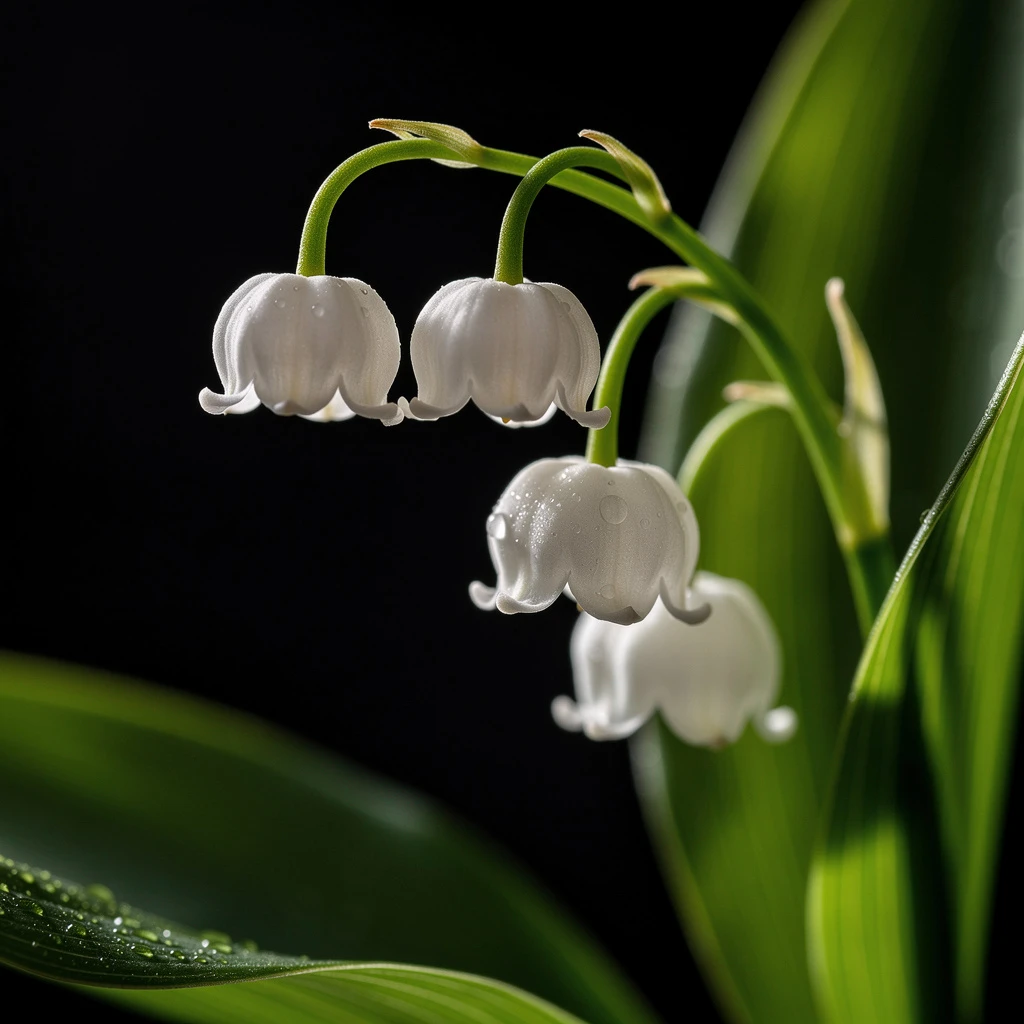
Ethyl Linalyl Acetate brings together the floral sweetness of linalyl acetate with a bright citrus twist. Found naturally in trace amounts in bergamot and lavender, this ester opens with sparkling bergamot and soft pear, creating a fresh yet smooth character that perfumers prize for modern lavender and citrus accords.

Character
How it smells
A refined ester with bergamot brightness and tropical fruit softness.
Ethyl Linalyl Acetate occurs naturally in both bergamot and lavender oils, though only in trace amounts, making synthetic production the primary source for fragrance use.



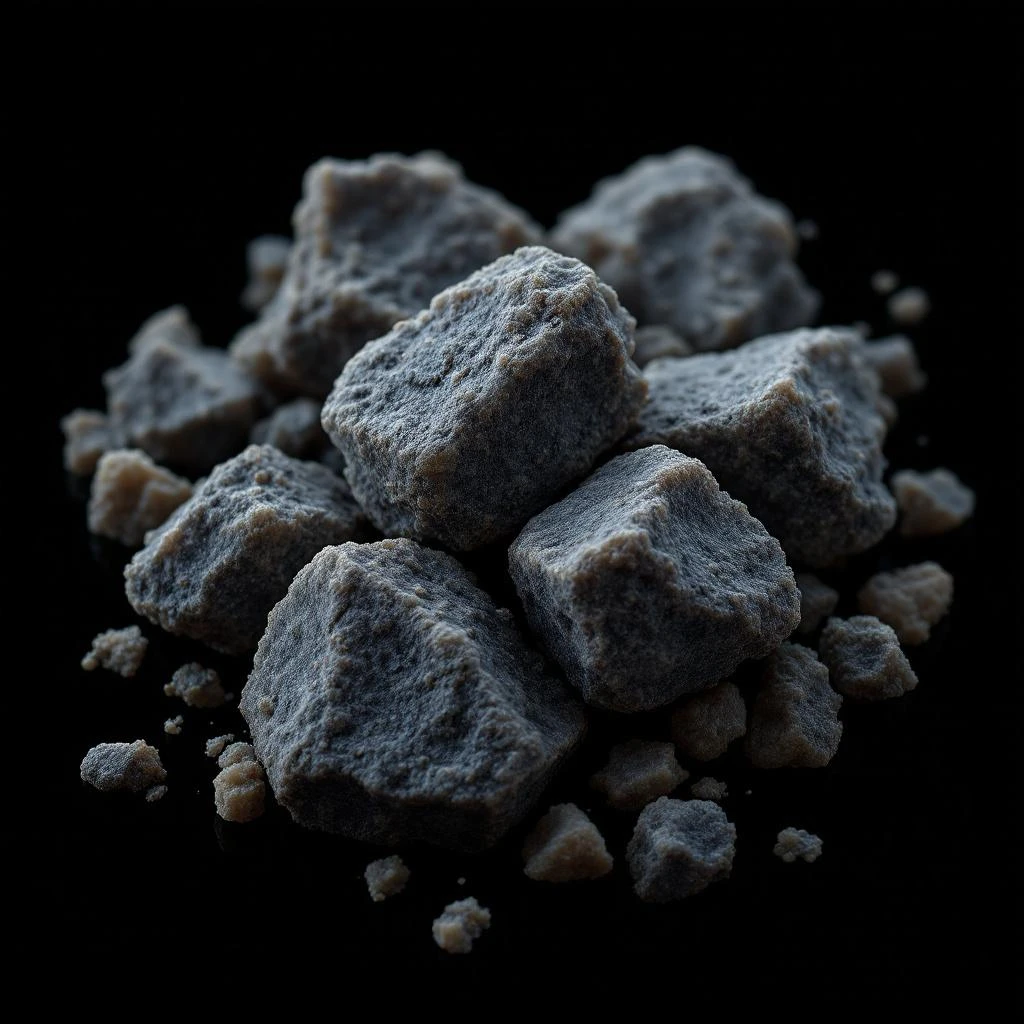
Origin
Italy
Ethyl Linalyl Acetate entered the fragrance industry as perfumers sought to isolate and amplify specific facets of natural essential oils. The history of its parent compound, linalyl acetate, traces directly to the commercial rise of lavender and bergamot in the 19th century, when these oils became central to perfumery. As analytical chemistry advanced, researchers identified the ethyl ester as a minor but significant constituent in both oils.
The fragrance industry then developed methods to produce this compound at scale, giving perfumers a concentrated ingredient that captures the fruity-floral character of bergamot and lavender without the variability of natural extracts. Today, ethyl linalyl acetate appears in countless modern compositions, valued for its consistency and its ability to bridge citrus and floral accords.
Wears it best
Fragrances featuring Ethyl Linalyl Acetate
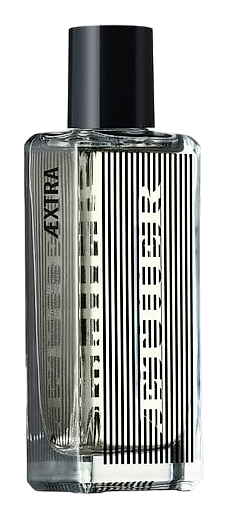
Brands
Brands known for Ethyl Linalyl Acetate
Good to know
Questions, answered
The essentials on Ethyl Linalyl Acetate in perfumery: how it smells, where it comes from, and how it behaves on skin.
What does Ethyl Linalyl Acetate smell like?
Ethyl Linalyl Acetate opens with bright bergamot citrus and softens into fresh pear with tropical fruit nuances. Its floral character is smooth and rounded, more refined than standard linalyl acetate. This combination makes it ideal for modern citrus-floral compositions that need brightness without sharpness.
Is Ethyl Linalyl Acetate natural or synthetic?
Ethyl Linalyl Acetate occurs naturally in trace amounts in bergamot and lavender oils, but commercial supply comes from synthetic production via Fischer esterification. This ensures consistency and purity that natural extracts cannot match. The synthetic route uses linalool derived from terpene feedstocks, which may themselves originate from natural sources.
What is the difference between Ethyl Linalyl Acetate and Linalyl Acetate?
The key difference lies in their alcohol component: Linalyl Acetate uses the acetyl group from acetic acid, while Ethyl Linalyl Acetate uses ethyl alcohol. This swap gives the ethyl variant a slightly softer, more rounded citrus-floral character. Both share the lavender and bergamot heritage, but perfumers choose ethyl linalyl acetate when seeking a more modern, refined quality.
Which perfume families use Ethyl Linalyl Acetate?
Ethyl Linalyl Acetate appears primarily in Floral, Aromatic, and Citrus fragrance families. It works especially well in lavender accords, fresh colognes, and fruity-floral compositions. The ingredient also functions as a modifier in citrus top notes, adding warmth and depth without heavy sillage.
Is Ethyl Linalyl Acetate safe to use in perfumery?
Ethyl Linalyl Acetate is approved for cosmetic and fragrance use by major regulatory bodies including IFRA and REACH. Industry evaluation supports its use at standard concentrations without significant concern. As with all aroma chemicals, formulators follow established guidelines to ensure safe finished products.
What essential oils naturally contain Ethyl Linalyl Acetate?
Bergamot and lavender oils contain Ethyl Linalyl Acetate as a minor natural constituent. The concentrations in these natural oils are relatively low, which drove the development of synthetic production methods. Both Italian bergamot and French lavender varieties have been studied as natural sources.
How does Ethyl Linalyl Acetate perform in fragrance formulations?
Ethyl Linalyl Acetate serves as both a fragrance ingredient and a functional modifier. It adds brightness to citrus compositions and smooths harsh edges in herbal or aromatic blends. The ester also acts as a fragrance enhancer, helping top notes project more effectively while maintaining a pleasant dry-down character.
Can Ethyl Linalyl Acetate be combined with natural essential oils?
Ethyl Linalyl Acetate blends exceptionally well with natural bergamot, lavender, and other citrus oils. Perfumers use it to reinforce or standardize the fruity-floral character of natural extracts that may vary between batches. This makes it a reliable tool for achieving consistent fragrance profiles in natural-focused formulations.
In the same family