Bacdanol
A synthetic sandalwood molecule that captures the creamy, woody warmth of natural sandalwood without the sustainability concerns. Bacdanol delivers the coveted scent profile at a fraction of the cost, making sandalwood幻想 accessible for modern perfumery.
Character
How it smells
Synthetic sandalwood that rivals the real thing.
Bacdanol was developed to address the scarcity of Indian sandalwood, which became endangered due to overharvesting in the 1980s.



Origin
Switzerland
The story of Bacdanol begins in the 1980s, when Indian sandalwood faced catastrophic overharvesting. Natural Santalum album became increasingly scarce and expensive as demand outpaced supply.
Givaudan's research chemists embarked on a mission to create a synthetic alternative that could replicate sandalwood's prized creamy, woody character without depending on endangered natural sources. The breakthrough came through systematic modification of santalol derivatives, eventually producing Bacdanol in the early 1990s.
This innovation arrived at a critical moment for the fragrance industry, offering perfumers a sustainable, cost-effective material that maintained the olfactory qualities that had made sandalwood a cornerstone of perfumery for centuries. Today, Bacdanol appears in countless fragrances across all price segments, democratizing access to sandalwood accords that were once reserved for luxury formulations.
Wears it best
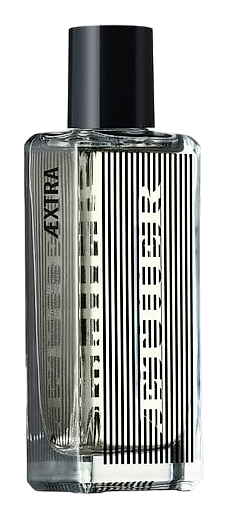
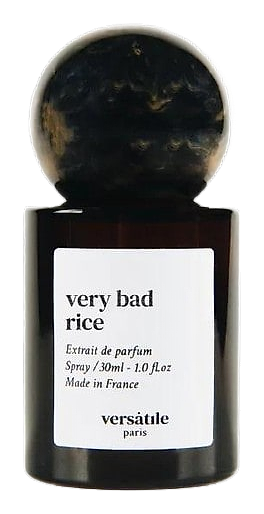
Fragrances featuring Bacdanol
Brands
Brands known for Bacdanol
Good to know
Questions, answered
The essentials on Bacdanol in perfumery: how it smells, where it comes from, and how it behaves on skin.
What does Bacdanol smell like?
Bacdanol smells like creamy, milky sandalwood with woody, slightly sweet undertones. It closely mimics the warm, buttery character of natural Indian sandalwood, though with a cleaner, more consistent profile.
Is Bacdanol a natural or synthetic ingredient?
Bacdanol is fully synthetic. It was developed in laboratories to replicate sandalwood's aroma profile without relying on natural sources that face overharvesting concerns.
Why was Bacdanol created?
Bacdanol emerged in the 1990s when natural Indian sandalwood became endangered due to overharvesting. The fragrance industry needed a sustainable alternative that could reproduce sandalwood's characteristic scent.
How does Bacdanol compare to natural sandalwood?
Bacdanol captures the creamy, woody essence of sandalwood with remarkable accuracy. Natural sandalwood offers greater complexity with earthy, balsamic nuances, but Bacdanol provides consistent quality and supply at lower cost.
Is Bacdanol safe for use in cosmetics and skincare?
Bacdanol is approved for cosmetic use by IFRA and has been extensively tested for skin sensitization. It performs well in rinse-off and leave-on applications when used within recommended concentration limits.
What perfumes contain Bacdanol?
Bacdanol appears in numerous fragrances across all price categories, from mass-market designer scents to niche creations. It serves as a primary sandalwood accord in many modern formulations.
Does Bacdanol have good longevity on skin?
Bacdanol demonstrates strong substantivity, meaning it remains detectable on skin for 6-8 hours. Its molecular stability helps fragrances maintain their woody character throughout the wear period.
What is the chemical classification of Bacdanol?
Bacdanol belongs to the sesquiterpene alcohol family. Its IUPAC name is 2-methyl-4-(2,2,3-trimethyl-3-cyclopenten-1-yl)but-2-en-1-ol, with a molecular formula of C14H24O.
In the same family