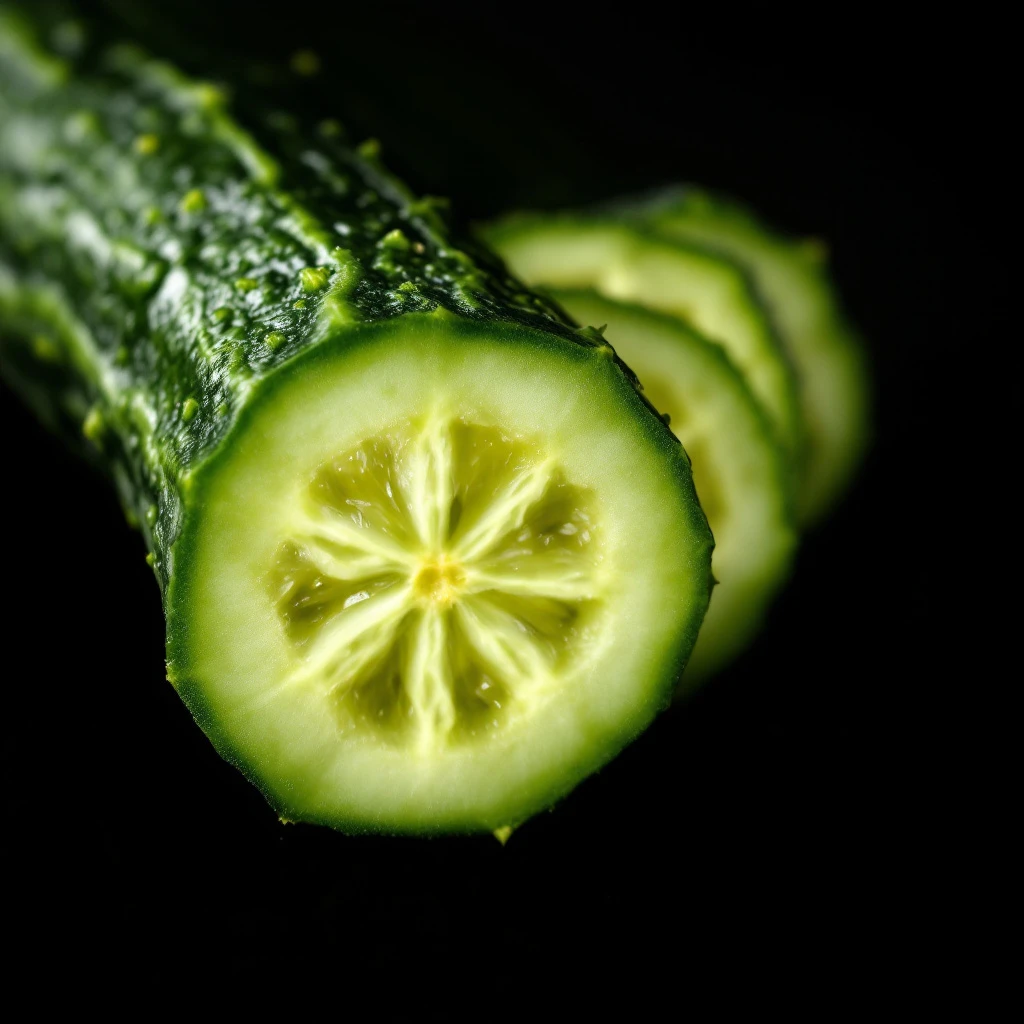
English Cucumber
The fresh, cooling scent of cucumber brings an instant, spa-like clarity to fragrance. Discover how this garden staple became a perfumery essential.
Character
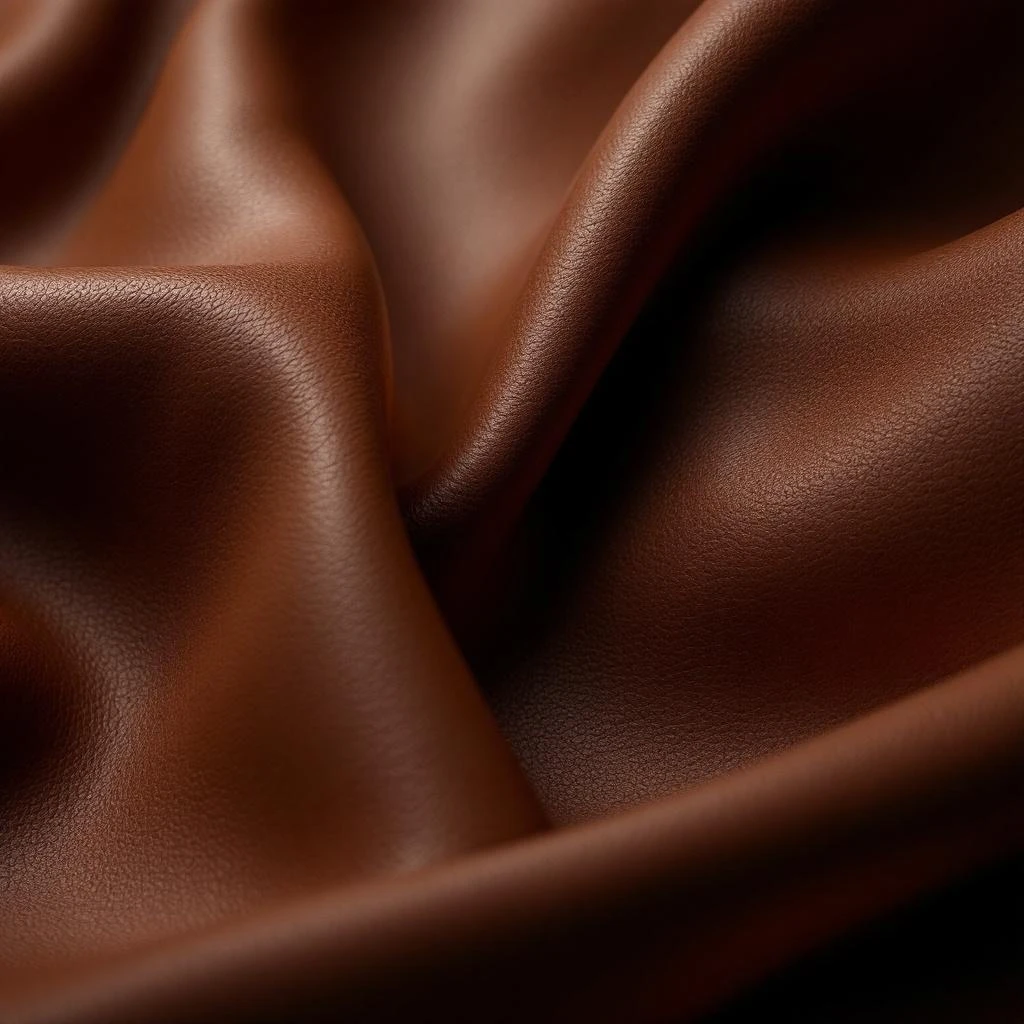
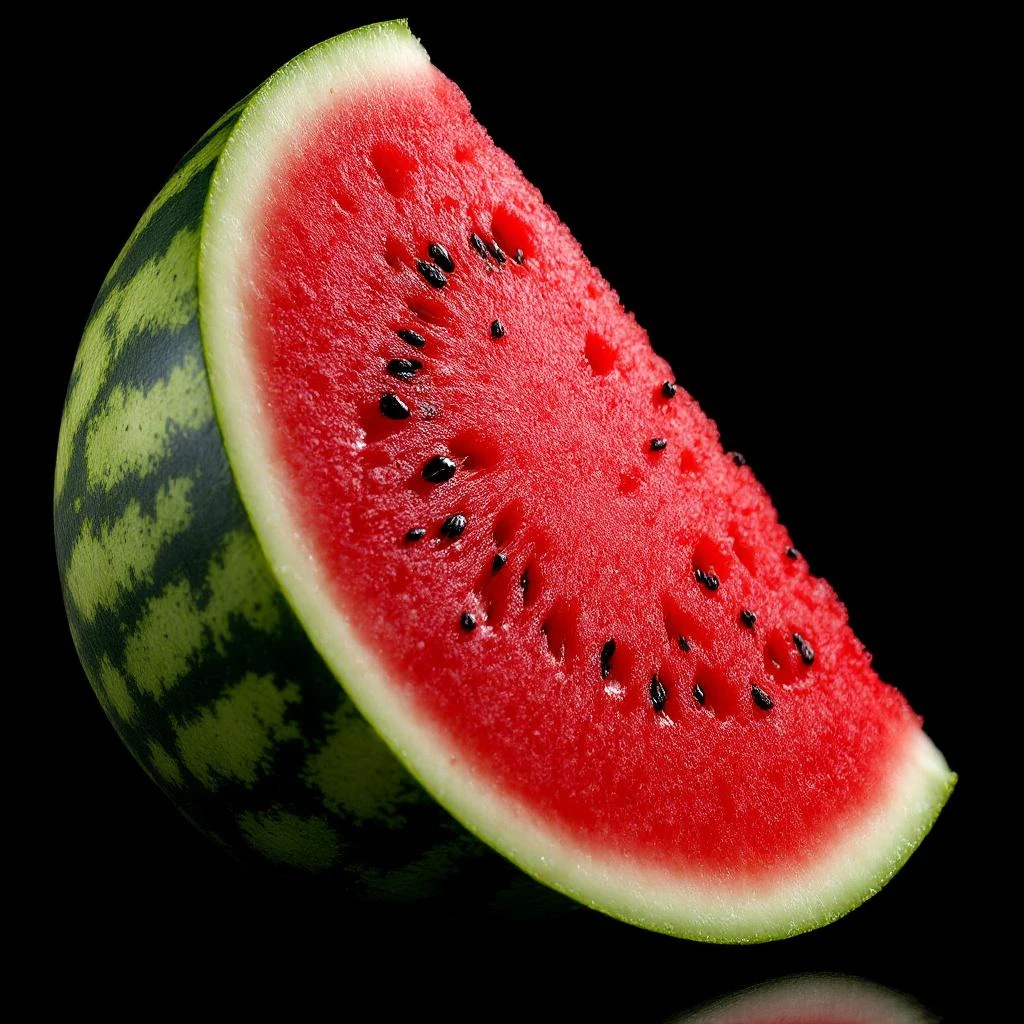
How it smells
A 1970s perfumery revolution still fresh today.
Cucumber aldehyde contains trans-2-nonenal, the same compound responsible for the smell of fresh cucumber. Firmenich first synthesized it in the 1970s.

Origin
Switzerland
The history of cucumber in perfumery begins not in English gardens but in Swiss laboratories of the 1970s. Firmenich and Givaudan independently developed synthetic cucumber aldehydes during this period, creating aromatic materials that could reliably reproduce the fresh, green scent of cucumber. Before this breakthrough, perfumers lacked effective tools for incorporating true cucumber character into compositions, relying instead on indirect green and aromatic materials.
The introduction of trans-2-nonenal changed perfumery fundamentally, enabling the creation of fresh, aquatic, and green fragrance families that defined the 1980s and 1990s. The term "English Cucumber" in perfumery culture refers specifically to the premium cucumber variety known for its thin, smooth skin, minimal seeds, and high water content. This variety produces a cleaner, more refined aromatic profile compared to standard field cucumbers, making it the preferred reference for cucumber character in fragrance design.
Today, cucumber aldehydes remain essential materials in modern perfumery, valued for their ability to convey freshness, clarity, and natural绿意 in contemporary fragrance compositions.
Wears it best
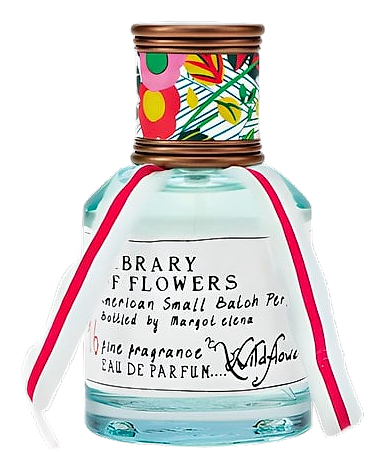
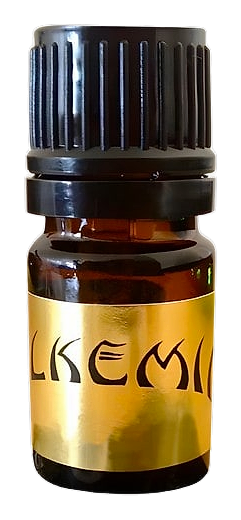
Fragrances featuring English Cucumber
Brands
Brands known for English Cucumber
Good to know
Questions, answered
The essentials on English Cucumber in perfumery: how it smells, where it comes from, and how it behaves on skin.
What does cucumber smell like in perfumery?
Cucumber in perfumery smells fresh, green, and watery with a subtle melon-like quality. The primary aromatic compound, trans-2-nonenal, delivers that distinctive cool, crisp character reminiscent of just-cut cucumber. Modern synthetic versions capture this profile with remarkable accuracy.
Is cucumber in perfume natural or synthetic?
Nearly all cucumber notes in modern perfumery are synthetic. The 1970s breakthrough by Firmenich and Givaudan produced trans-2-nonenal, a synthetic aldehyde that replicates natural cucumber aroma. Natural cucumber absolute exists but remains rare due to high cost and limited yield.
What pairs well with cucumber in fragrance?
Cucumber pairs exceptionally well with mint, tea, marine, and aquatic fragrance families. It harmonizes with lily of the valley, rose, white musk, and green tea notes. Mint and cucumber together create an instantly refreshing effect popular in summer fragrances.
When did cucumber first appear in perfumery?
Synthetic cucumber aldehydes first appeared in perfumery during the 1970s. Firmenich and Givaudan pioneered this technology, enabling perfumers to reliably incorporate true cucumber character into compositions. This innovation directly enabled the aquatic and fresh green fragrance families that followed.
What chemical compounds create cucumber scent?
Trans-2-nonenal is the primary aromatic compound defining cucumber scent, combined with nonadienal, cis-3-hexen-1-ol, and cis-3-hexenyl acetate. These aldehydes and alcohols create the characteristic green, watery, slightly melon-like profile found in both natural cucumber and synthetic fragrance materials.
How is cucumber aromatic material produced?
Trans-2-nonenal is produced through controlled organic synthesis using aldehyde precursor compounds. Natural extraction from cucumber through maceration or distillation is possible but yields small, expensive quantities. The synthetic route developed in the 1970s offers superior consistency and cost-effectiveness.
What is the difference between natural and synthetic cucumber?
The aromatic compounds are chemically identical in both forms. Trans-2-nonenal synthesized in laboratories replicates the exact molecules found in natural cucumber. Synthetic production offers greater consistency, stability, and cost-effectiveness, making it the industry standard since the 1970s.
Why is English cucumber used in perfumery terminology?
English cucumber refers to a premium variety with thin, smooth skin, minimal seeds, and high water content. This variety yields a cleaner, more refined aromatic profile compared to standard field cucumbers. The distinction matters because field cucumbers can introduce bitter notes during extraction, while English cucumbers produce a purer cucumber character.