Dried Stone Fruits
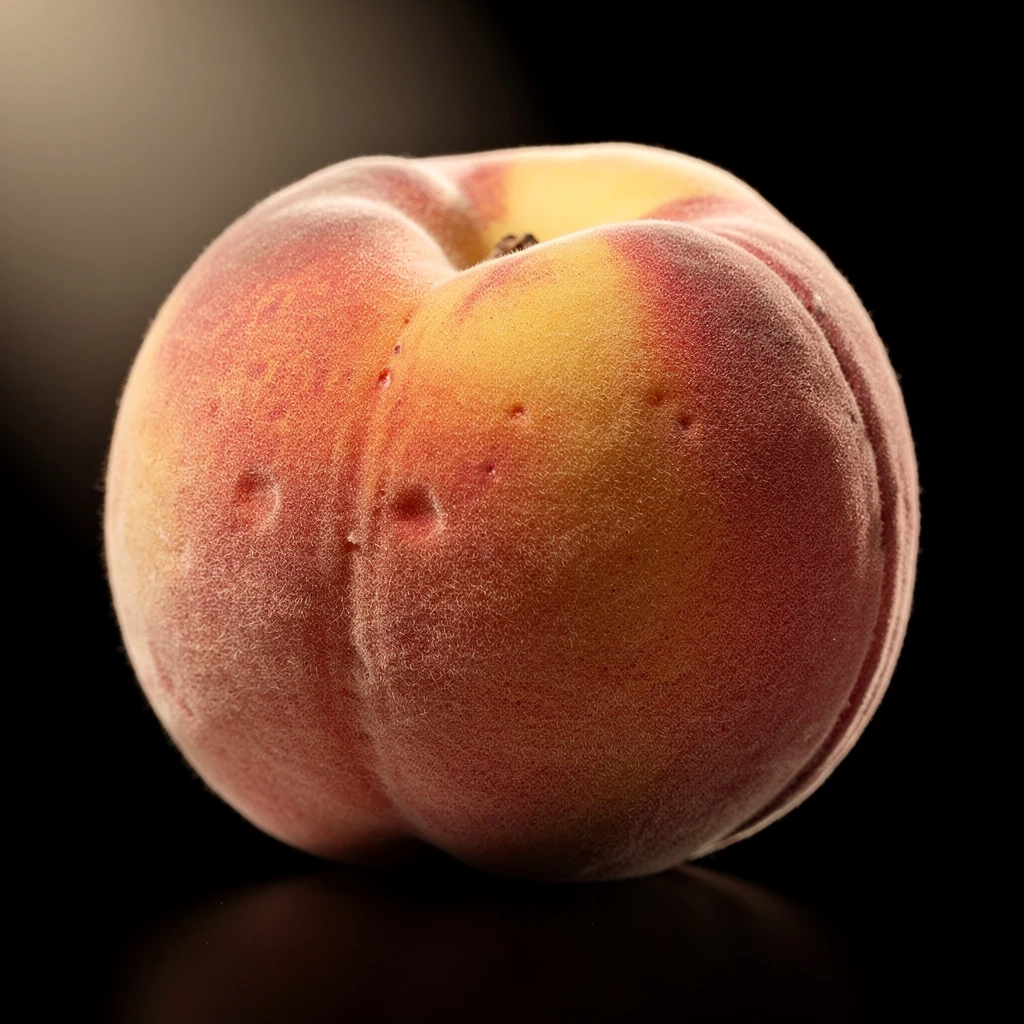
Dried stone fruits bring a warm, jammy sweetness to fragrance compositions. These concentrated fruits, including apricots, peaches, and plums, lend a rich, sun-kissed character that evokes autumn harvests and ancient preservation techniques.
Character
How it smells
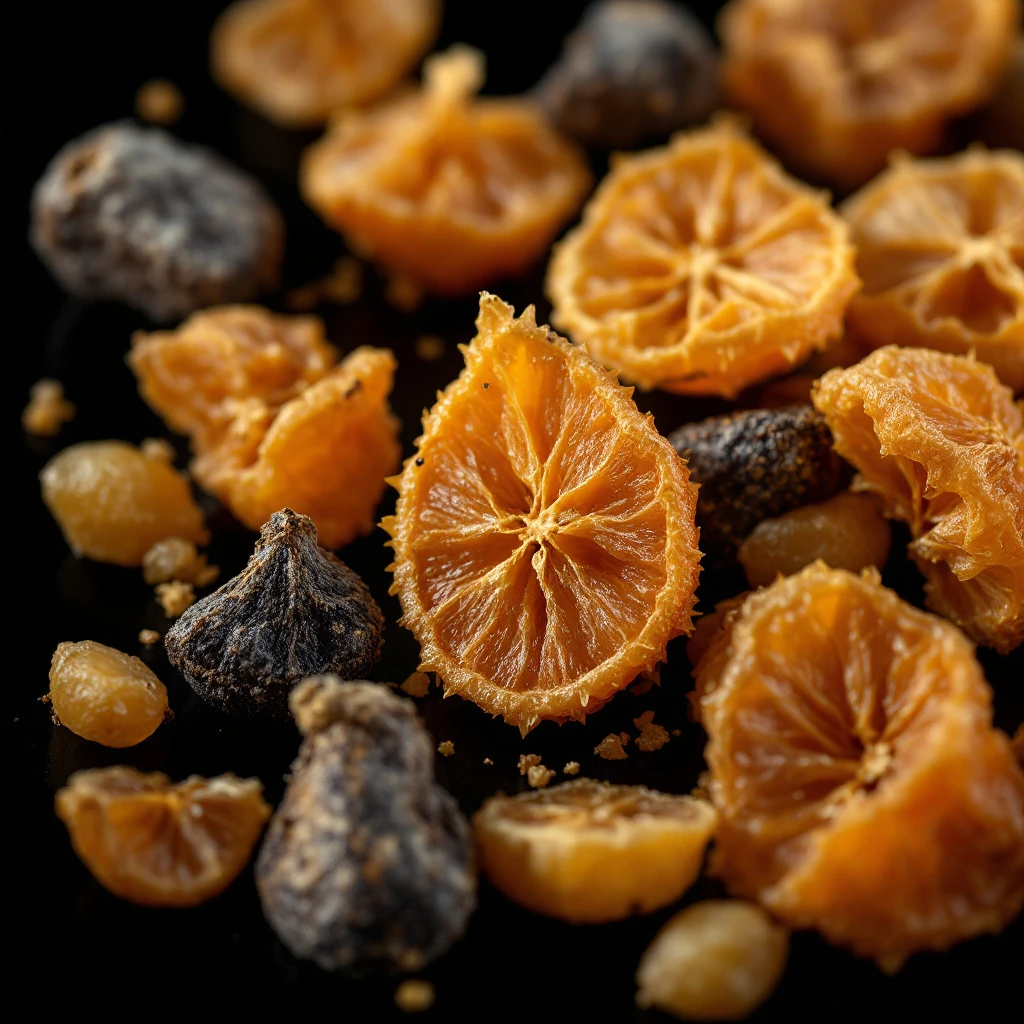
Concentrated sweetness from sun-dried stone fruits.
A single apricot must lose roughly 85% of its water weight before achieving the intense flavor profile perfumers seek.
Pairs beautifully with
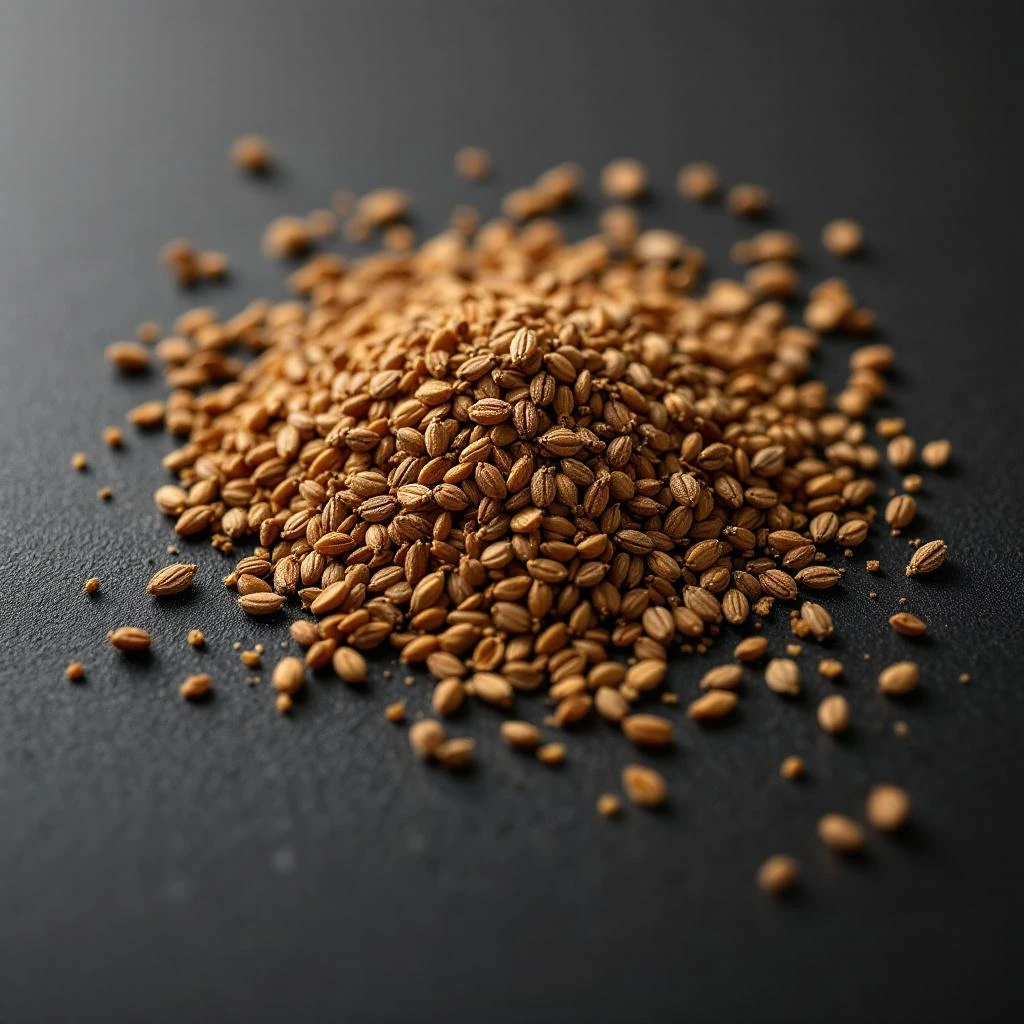
Origin
Turkey
Drying fruit for preservation ranks among humanity's oldest techniques, practiced across the Mediterranean and Middle East for thousands of years. Ancient cultures valued dried fruits not only as food but as offerings and ceremonial materials. In perfumery, the dried fruit accord made its debut in Balenciaga's Talisman in 1933, becoming a defining note of chypre and oriental compositions.
This accord proved particularly influential in postwar French perfumery, where it brought warmth and accessibility to complex fragrance constructions. Today, dried stone fruit notes appear across fragrance families, from gourmand creations to sophisticated woody-fruity compositions.
Wears it best
Fragrances featuring Dried Stone Fruits
Brands
Brands known for Dried Stone Fruits
Good to know
Questions, answered
The essentials on Dried Stone Fruits in perfumery: how it smells, where it comes from, and how it behaves on skin.
What creates the dried stone fruit aroma in perfume?
The note combines multiple aroma chemicals that together replicate sun-dried apricot, peach, and plum. Key materials include gamma-decalactone for peach sweetness, massoia lactone for creamy depth, and various aldehydes for lift. Natural extracts from dried apricots or plums may also contribute, though synthetics more commonly build this accord.
Which perfumes feature dried stone fruit notes prominently?
Balenciaga Talisman (1933) pioneered this note. Modern examples include Dior Addict, Guerlain Shalimar Souffle, and Serge Lutens Bois et Fruits. The note appears across multiple fragrance families, particularly in chypre, oriental, and gourmand compositions.
Is dried stone fruit a natural or synthetic note?
Modern perfumery typically creates this note synthetically. While natural dried fruit extracts exist, they lack the stability and complexity needed for fine fragrance. Perfumers blend aroma chemicals to build a consistent, long-lasting dried stone fruit accord that captures the concentrated sweetness of sun-dried apricots and peaches.
How does the note behave across fragrance development?
Dried stone fruit accord functions primarily as a heart-to-drydown note. It appears in the mid-development stage, bringing warmth and sweetness after top notes fade. The note contributes body to compositions without overwhelming delicate florals, making it versatile across fragrance types.
What fragrance families commonly use dried stone fruit?
The note appears most often in chypre, oriental, and gourmand families. It also shows up in fruity-floral and woody-fruity compositions. Perfumers value it for adding natural warmth and a honeyed quality that bridges fresh and warm fragrance elements.
How does drying affect stone fruit aromatics?
Drying concentrates the fruit's sugars and modifies its aromatic profile. Fresh peach smells green and watery; dried peach becomes jammy, intense, and slightly tart. This concentration effect explains why perfumers seek dried rather than fresh fruit for extraction, and why synthetic analogs focus on these concentrated characteristics.
What complementary notes pair well with dried stone fruit?
Warm woods like sandalwood and cedar enhance the note's richness. Vanilla and benzoin add sweetness and longevity. Labdanum and oakmoss bring depth in chypre constructions. For contrast, bright citrus and crisp aldehydes prevent the note from becoming too heavy.
What distinguishes dried stone fruit from fresh fruit notes?
Fresh fruit notes capture the green, watery quality of just-picked produce. Dried stone fruit notes emphasize concentration, warmth, and jammy sweetness. The drying process transforms the aromatic profile from bright and crisp to deep and persistent, which is why perfumers treat these as distinct scent categories.