Dong quai
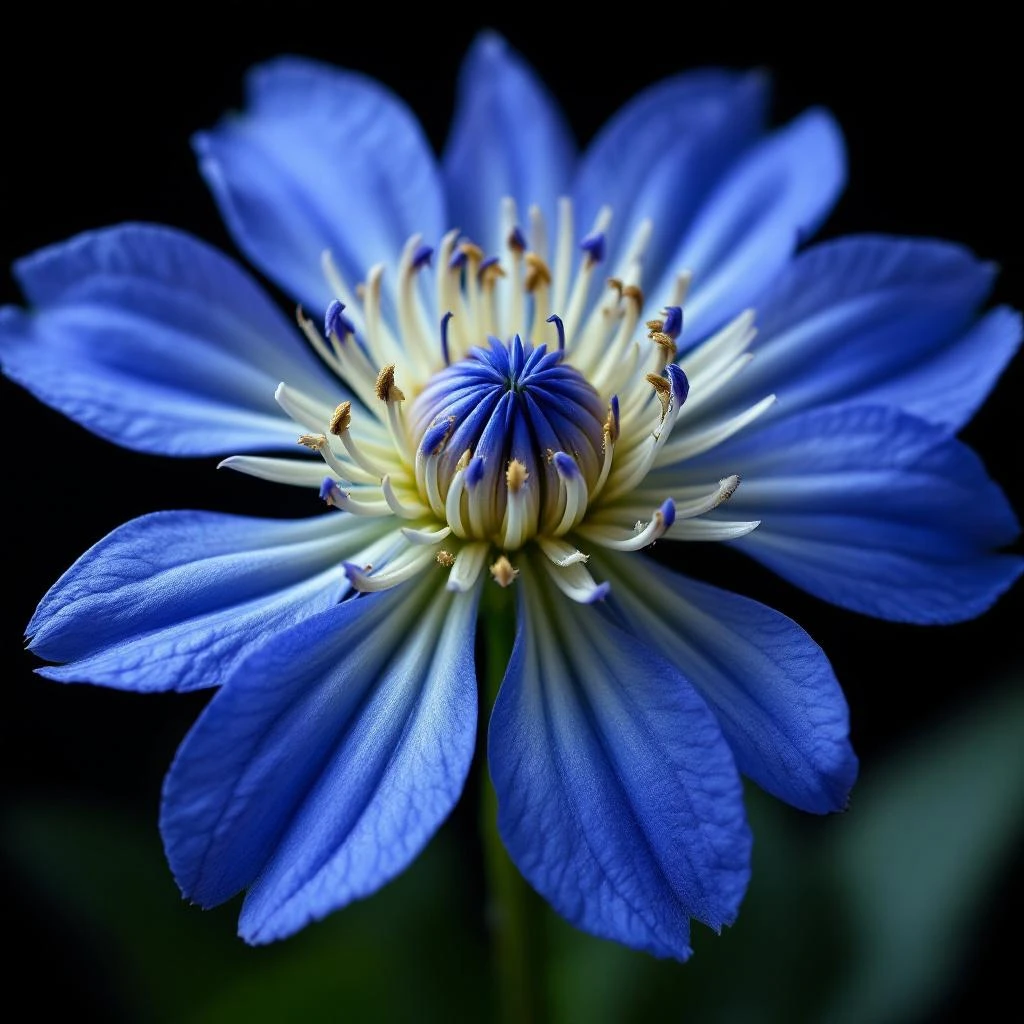
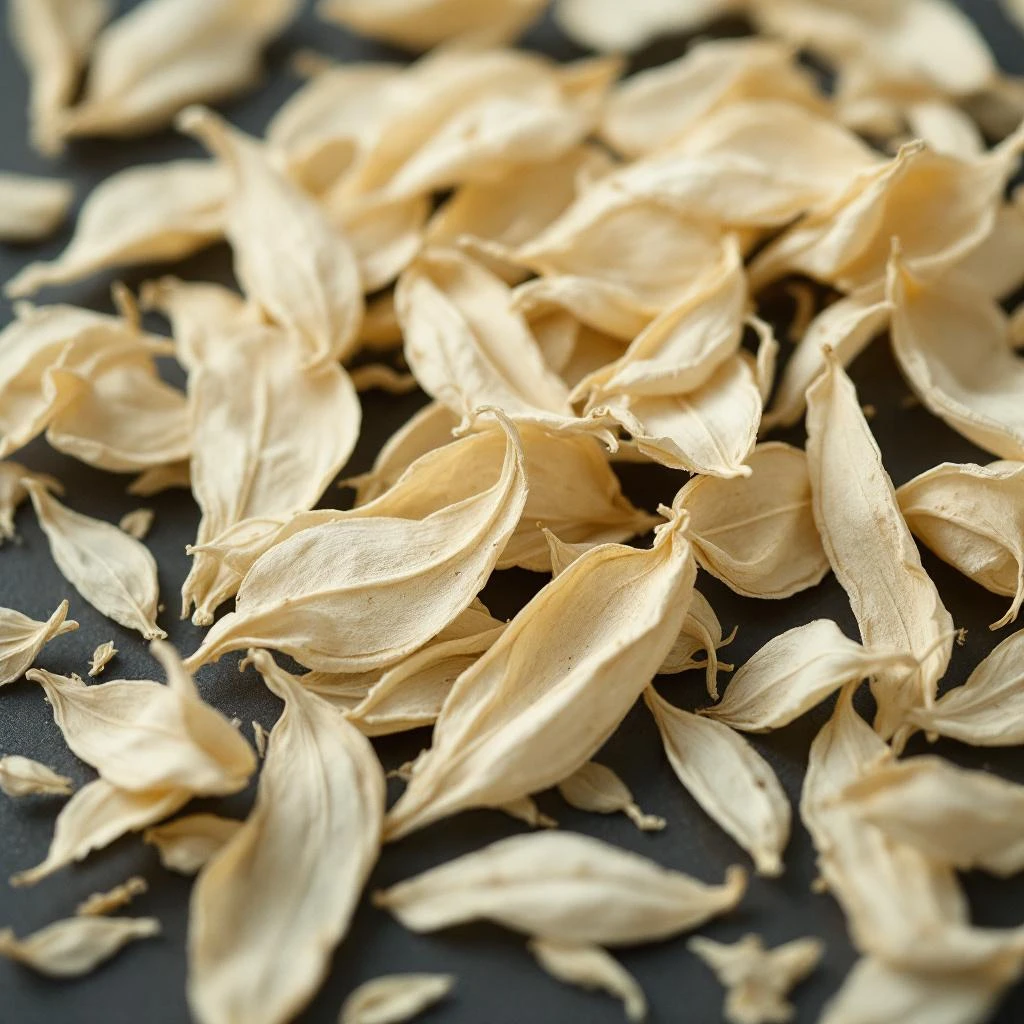
Dong quai, the treasured 'female ginseng' of Traditional Chinese Medicine, brings a rare warmth and earthiness to perfumery—a grounding, aromatic presence that bridges ancient botanical wisdom with modern fragrance creation.
Character
How it smells
The sacred root of eastern perfumery.
TCM practitioners have called dong quai the 'empress of herbs' for over 2,000 years, reserving it for royalty.


Origin
China
Dong quai has been a cornerstone of Traditional Chinese Medicine for over two millennia. Ancient texts from the Han Dynasty describe it as a supreme tonic, particularly for women's health, earning names like 'female ginseng' and references to female royalty—'the empress of herbs.' Beyond medicinal applications, Chinese herbalists incorporated it into cosmetics, bath preparations, and ceremonial uses.
Its introduction to Western perfumery brought a distinctly oriental character—warm, musky, slightly bitter—that complemented existing accord structures. Today, premium dong quai for perfumery comes primarily from cultivated plants in Sichuan and Yunnan provinces, where centuries of growing tradition ensure consistent quality and aroma.
Wears it best
Fragrances featuring Dong quai
Brands
Brands known for Dong quai
Good to know
Questions, answered
The essentials on Dong quai in perfumery: how it smells, where it comes from, and how it behaves on skin.
What does dong quai smell like?
Dong quai has a warm, earthy aroma with musky undertones and subtle bitter notes. It carries a distinctive medicinal-herbaceous quality that adds depth and grounding to oriental fragrance compositions.
Is dong quai commonly used in modern perfumery?
Dong quai remains a relatively rare ingredient in mainstream perfumery. It appears more frequently in niche fragrances, particularly those exploring eastern botanicals or traditional medicine-inspired themes.
What extraction method preserves dong quai's aroma best?
Solvent extraction produces an absolute with greater aromatic complexity than steam-distilled oil. The absolute captures more of the delicate top notes that give dong quai its characteristic herbal freshness.
Does dong quai have traditional medicinal associations?
Traditional Chinese Medicine has used dong quai for over 2,000 years as a blood tonic and harmonizing herb. This heritage influences how perfumers position it within fragrance storytelling.
What fragrance families pair well with dong quai?
Dong quai works exceptionally in oriental and chypre compositions. It harmonizes with sandalwood, oud, patchouli, and other warm woods, while also complementing herbal and green notes.
Are there any safety considerations with dong quai in perfumery?
Dong quai oil contains psoralens, which may cause photosensitivity. IFRA guidelines regulate its concentration in finished fragrances, particularly in skin-contact applications.