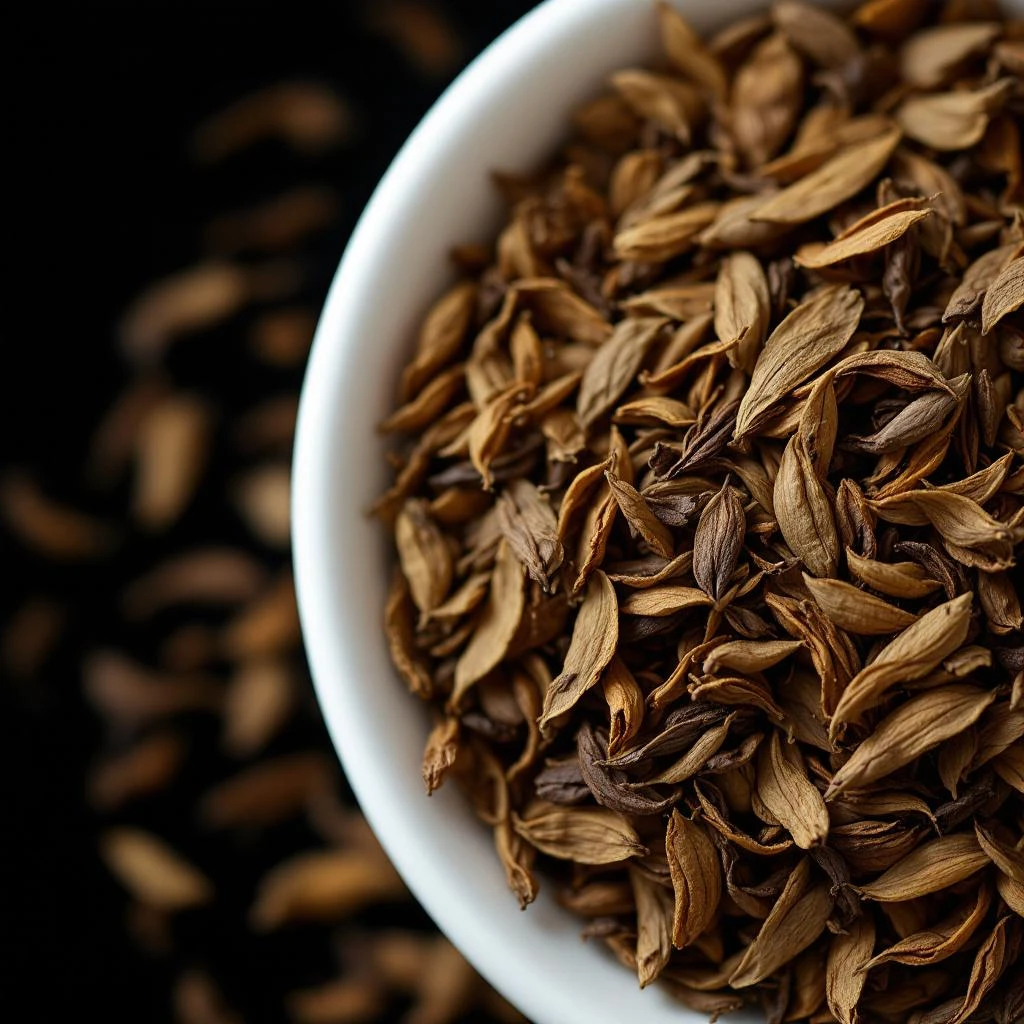
Deer Tongue Grass
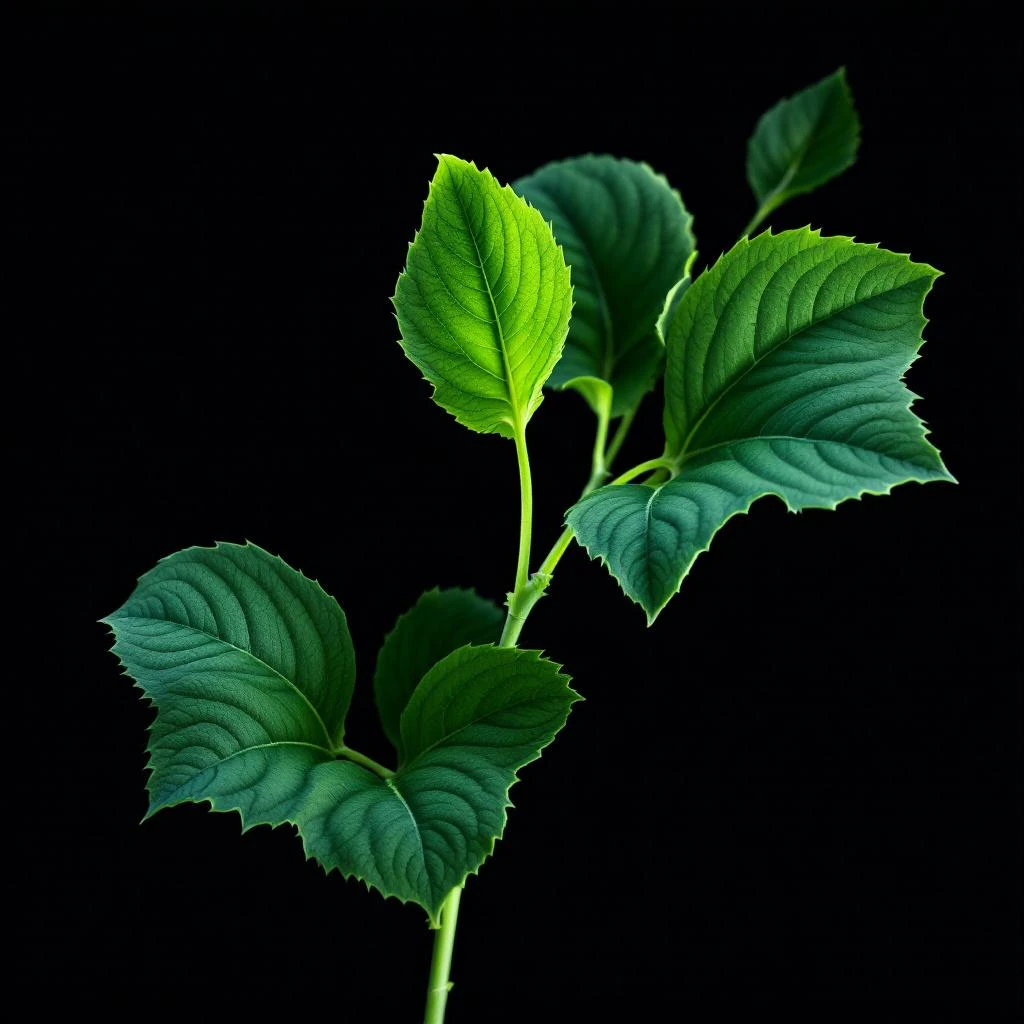
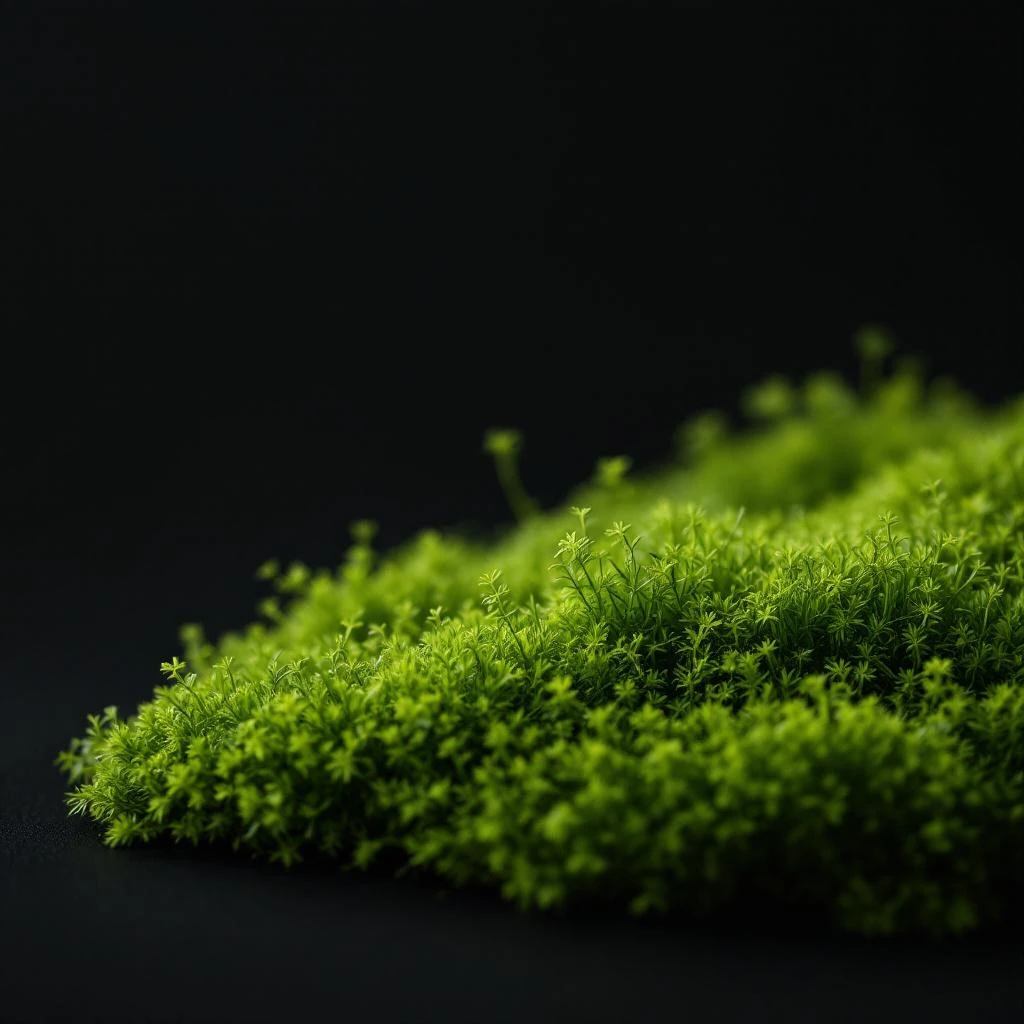
Deer Tongue Grass brings an unexpected tobacco-like warmth to fragrance. Native to North American woodlands, this understory grass carries coumarin-rich compounds that evoke warm hay and subtle sweetness in compositions.
Character
How it smells
Nature's hidden tobacco whisperer
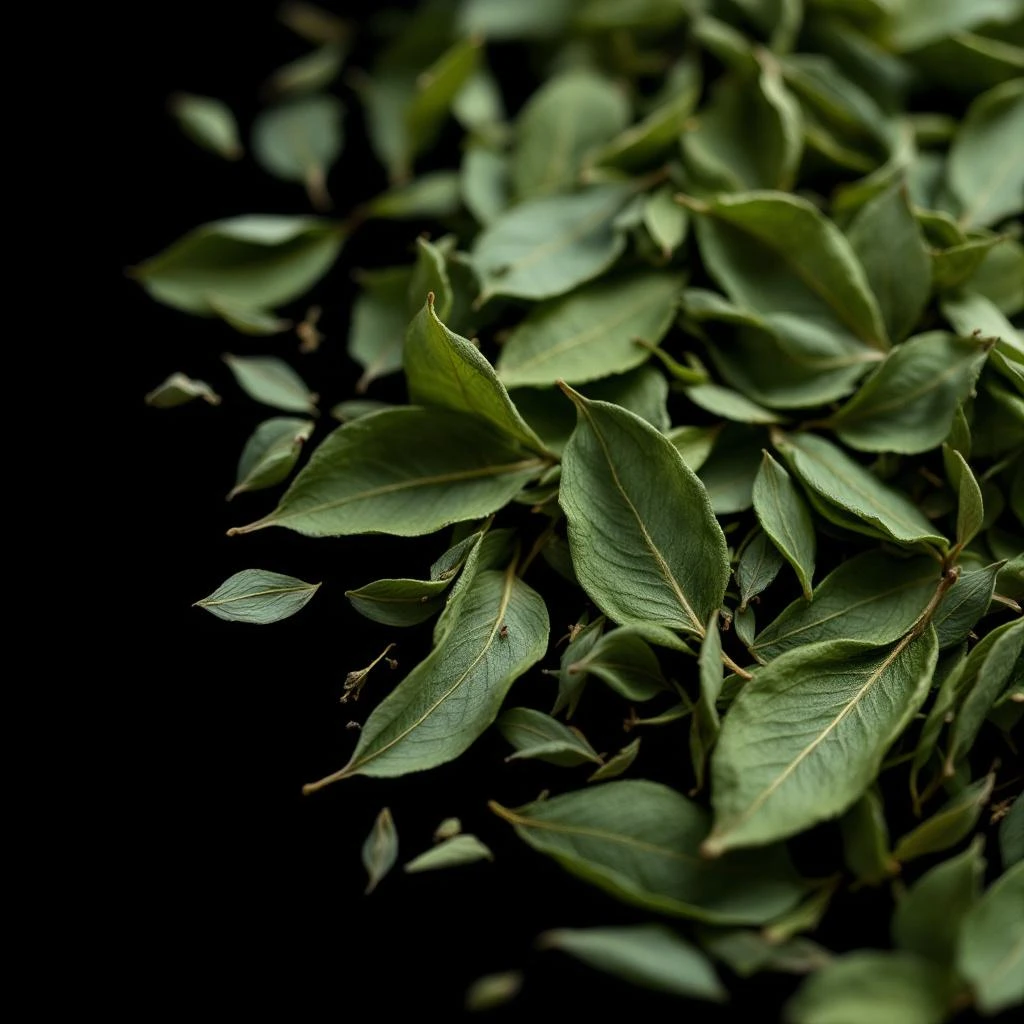
Before perfumery, Deer Tongue Grass leaves traditionally flavored pipe tobacco across the American South well into the twentieth century.
Origin
United States
Deer Tongue Grass holds a quietly fascinating place in North American botanical history. The plant grew natively across eastern woodlands long before European settlers arrived, and indigenous peoples likely recognized its aromatic properties. The ingredient gained prominence in the American South during the nineteenth and early twentieth centuries when dried leaves were blended with tobacco for pipe smoking.
This tobacco-adjacent application directly inspired its eventual use in perfumery, where perfumers recognized the grass could contribute warmth and coumarin-like depth without the complexity of actual tobacco leaf. Today, the ingredient bridges two traditions: the practical heritage of Appalachian tobacco blending and the more recent craft of natural perfumery.
Good to know
Questions, answered
The essentials on Deer Tongue Grass in perfumery: how it smells, where it comes from, and how it behaves on skin.
What does Deer Tongue Grass smell like in perfume?
Deer Tongue Grass delivers warm, hay-like aroma with coumarin undertones and subtle tobacco sweetness. It adds depth and a natural, slightly resinous quality to base notes in fragrance compositions.
Is Deer Tongue Grass commonly used in modern perfumery?
Deer Tongue Grass appears less frequently than popular grass notes like vetiver or galbanum. Its tobacco-hay character makes it a distinctive choice for niche perfumers seeking unconventional aromatic profiles.
Where does Deer Tongue Grass grow naturally?
Dichanthelium clandestinum is native to eastern North America, ranging from Canada through the eastern United States. It thrives in shady, moist woodland environments and blooms from May through October.
What is the historical use of Deer Tongue Grass outside perfumery?
Dried Deer Tongue Grass leaves historically flavored pipe tobacco blends in the American South, a practice that continued throughout the twentieth century before synthetic flavorants became prevalent.
How is Deer Tongue Grass harvested for fragrance production?
Leaves are harvested during summer months when coumarin compound concentrations peak. The plant material is dried, then processed through solvent extraction to yield an aromatic absolute.
What fragrance families pair well with Deer Tongue Grass?
Deer Tongue Grass complements warm, resinous ingredients like benzoin, vanilla, and labdanum. It works well in oriental and fougere compositions where its hay-tobacco character enhances depth.
Is Deer Tongue Grass considered sustainable in fragrance sourcing?
As a native North American species requiring no irrigation or specialized cultivation, Deer Tongue Grass presents minimal environmental concerns. Its wild-harvested nature supports sustainable sourcing practices.
What family of plants does Deer Tongue Grass belong to?
Deer Tongue Grass belongs to the Poaceae family, the same botanical family as many common grasses including vetiver, lemongrass, and traditional cereal crops like wheat and rice.