Cuban sugar cane
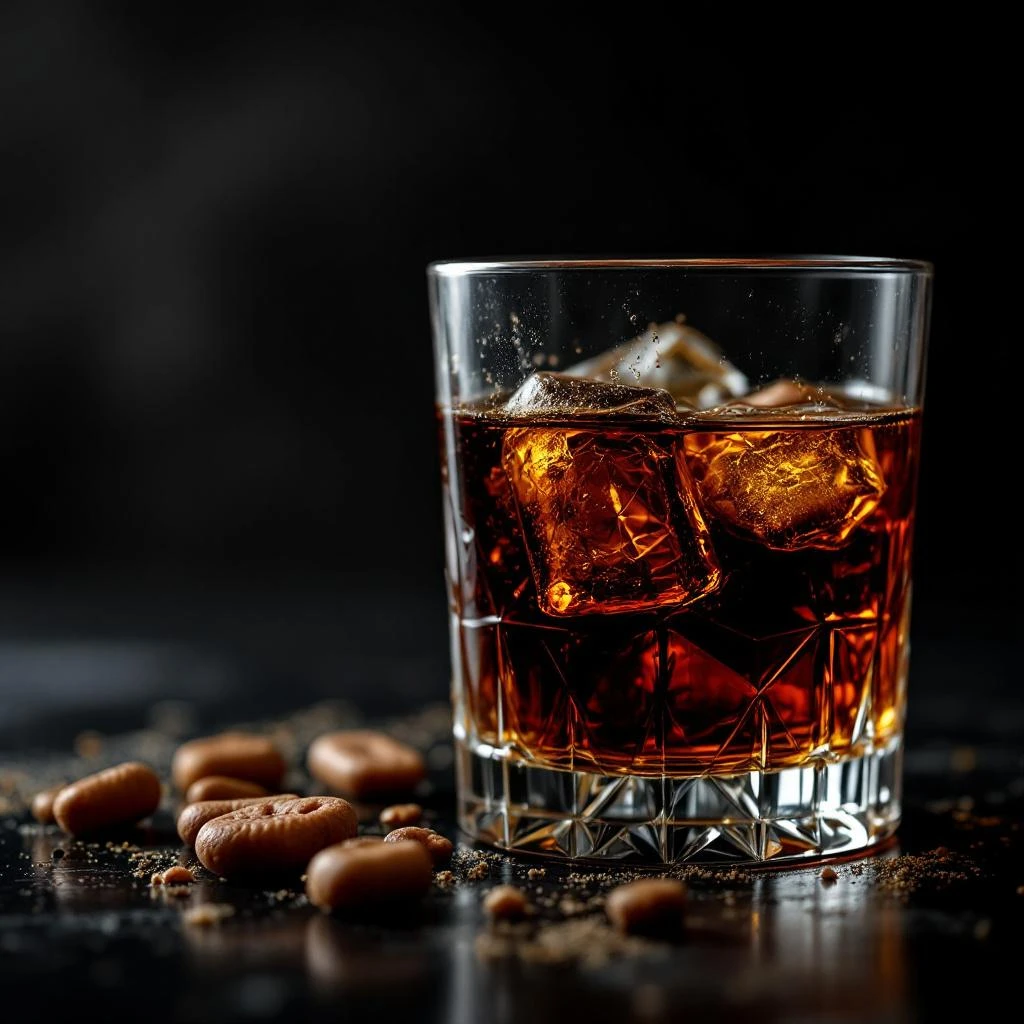
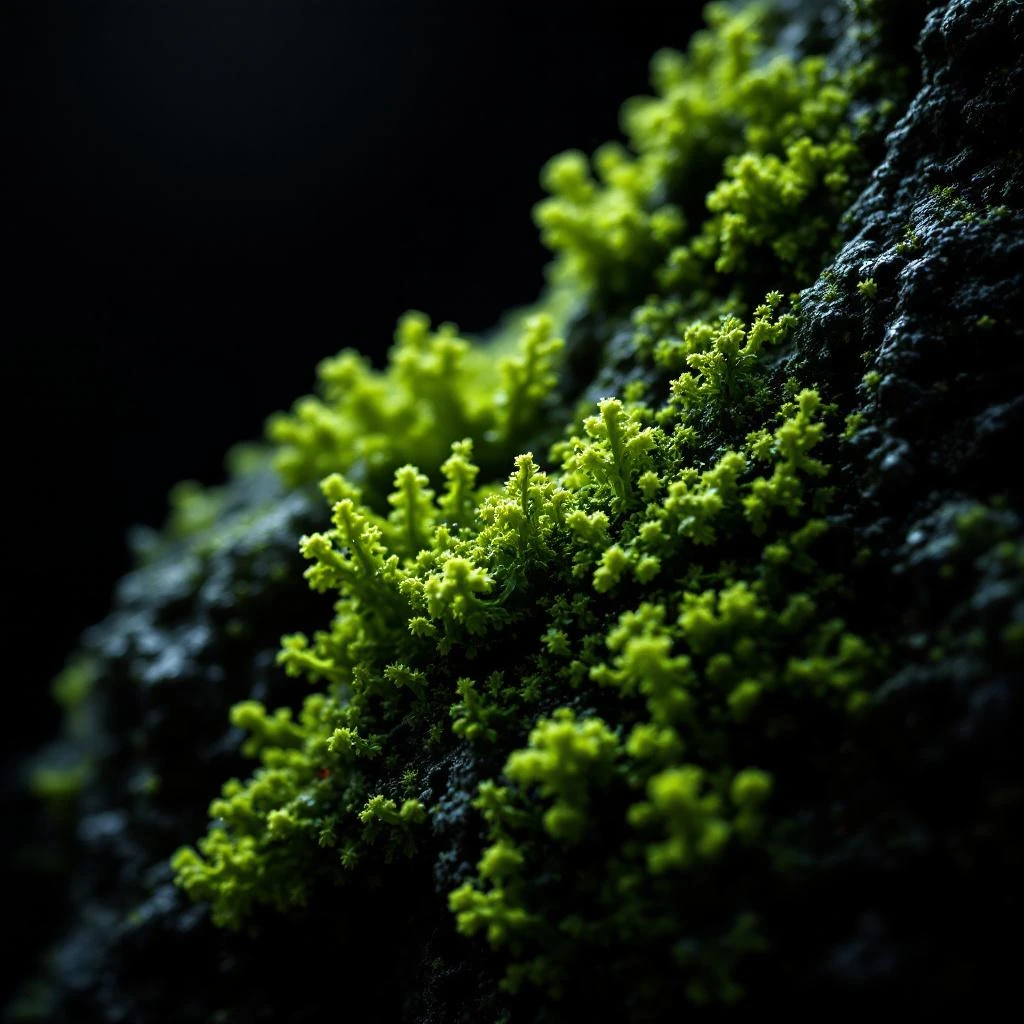
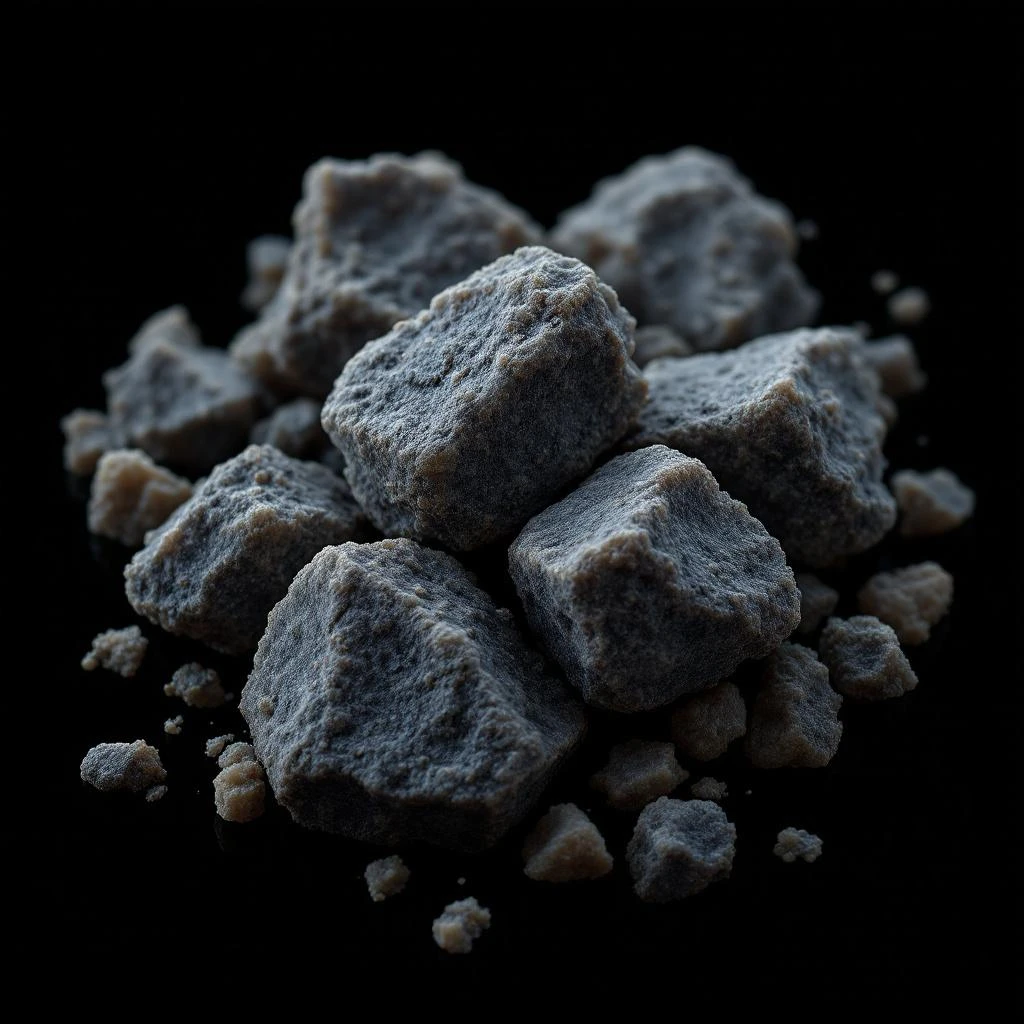
Cuban sugar cane brings a split personality to perfumery: verdant, almost grassy greenness from the stalks, threaded with an intoxicating dark sweetness reminiscent of aged rum. This tropical grass carries the sun-soaked warmth of the Caribbean and has quietly shaped fragrance composition, not as a fragile blossom but as an honest, elemental material that bridges the gap between fresh and indulgent.

Character
How it smells
Tropical sweetness with a verdant edge
Cuba's sugarcane fields cover over 1 million hectares, and the plant's green stalks yield a surprising aromatic absolute distinct from the sweet juice itself.



Origin
Cuba
Christopher Columbus introduced sugarcane to Cuba in 1492 during his second voyage, and within a century the island had become the world's premier sugar producer. The Caribbean sugar trade fundamentally reshaped global commerce, transforming Cuba into a mono-crop economy built on enslaved labor and European demand.
By the 19th century, Cuban sugar fueled everything from European desserts to industrial rum production. In perfumery, sugar cane's legacy runs deeper than its sweet aroma: the high-purity ethanol distilled from sugarcane serves as the backbone alcohol in countless fine fragrances worldwide, quietly connecting many perfume compositions—including those that never list cane among their notes—to this Cuban agricultural heritage.
Sugarcane alcohol itself has been preferred over grain alcohol for its perceived smoothness, and major perfume houses have long sourced Cuban-derived or Caribbean-origin sugarcane ethanol. The ingredient persists in niche perfumery today as both an aromatic material and a foundational component invisible to most wearers but essential to how fragrance unfolds on skin.
Wears it best
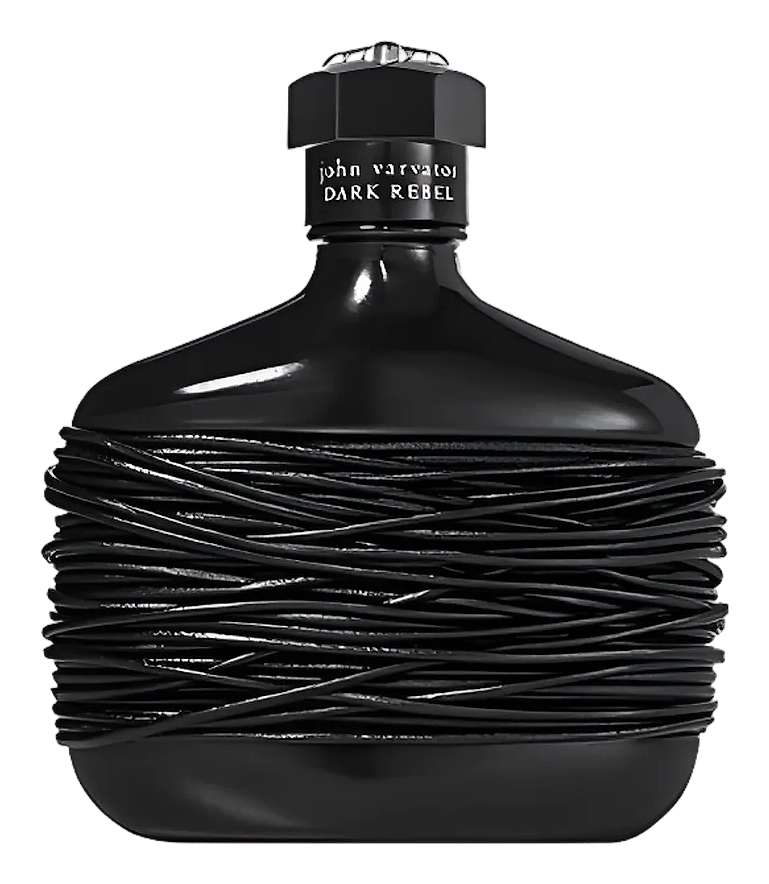
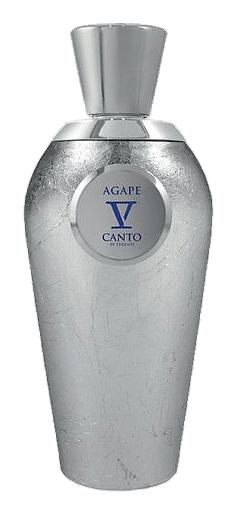
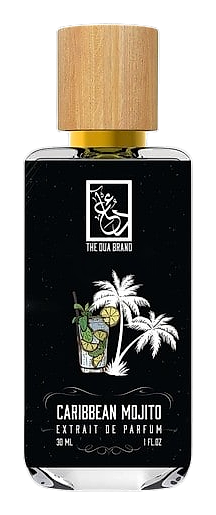
Fragrances featuring Cuban sugar cane
Brands
Brands known for Cuban sugar cane
Good to know
Questions, answered
The essentials on Cuban sugar cane in perfumery: how it smells, where it comes from, and how it behaves on skin.
What does Cuban sugar cane smell like in perfume?
Cuban sugar cane absolute smells of split personality: the fresh green aroma of just-cut stalks alongside a dark, almost molasses-like sweetness that recalls sun-baked Caribbean fields. It lacks the simple candy sweetness of refined sugar and instead carries an earthy authenticity.
Is sugar cane used in perfumery actually from Cuba?
Both. The aromatic absolute occasionally appears from other tropical regions, but Cuba remains a significant source for high-purity sugarcane ethanol—the neutral alcohol base used to dissolve and carry fragrance compounds in virtually every commercial perfume.
What extraction method produces sugar cane absolute?
Solvent extraction is the standard. Fresh stalks and leaves get treated with food-grade solvents that pull aromatic molecules while leaving behind sugars and water. The solvent evaporates, yielding a viscous dark absolute.
How is sugar cane different from other sweet ingredients like vanilla or tonka?
Unlike warm, resinous vanilla or Coumarin-rich tonka, sugar cane absolute offers a green, slightly grassy quality alongside its sweetness. It reads as fresher and more botanical, closer to a cut lawn than a dessert.
Which parts of the sugar cane plant are used for fragrance?
Fragrance extraction targets the aerial parts—the stalks and leaves—not the stored sugar in the plant's pith. This green material contains the volatile aromatic compounds entirely separate from the sweet juice that becomes crystallized sugar.
What fragrance families pair well with sugar cane?
Sugar cane absolute works naturally in tropical florals, greenchypres, and gourmand compositions. It blends seamlessly with jasmine, ylang-ylang, and vetiver, and it adds realistic sweetness to rum, caramel, and honey accords.
Is sugarcane-derived ethanol better for perfume than grain alcohol?
Many perfumers and fragrance houses regard sugarcane ethanol as superior due to its slower sublimation rate on skin, meaning fragrance compounds evaporate more evenly. The perceived smoothness and neutral character make it a preferred carrier in fine perfumery.
Does sugar cane absolute occur naturally or is it often replicated synthetically?
True solvent-extracted sugar cane absolute exists but remains relatively rare due to low yields. Much more commonly, perfumers work with sugarcane-derived ethanol or employ aroma chemicals that replicate cane-like green-sweet effects in much higher volumes.