Crème Caramel
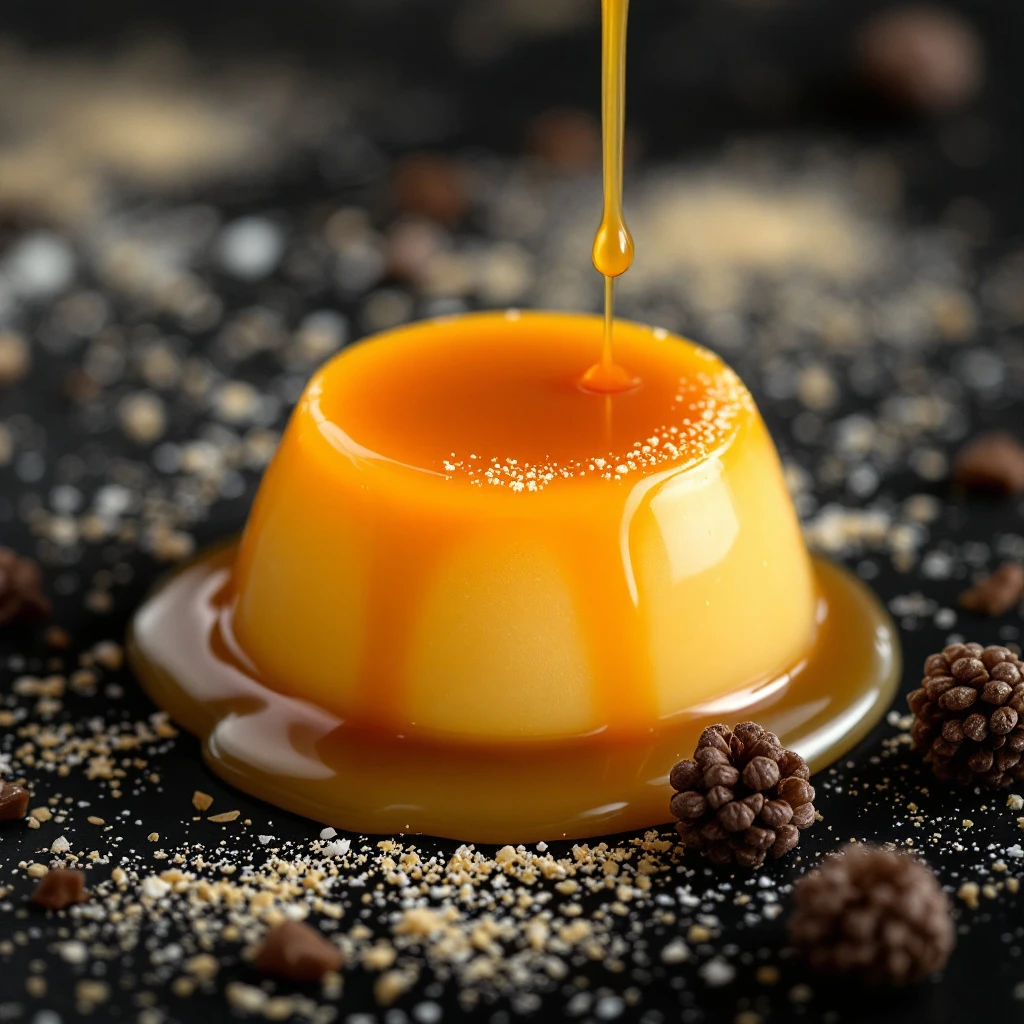
Crème Caramel is a warm, edible confectionary note in perfumery, recreating the rich scent of burnt sugar and cream. Entirely synthetic, it captures the addictive quality of the beloved dessert without any natural extraction. This note brings comfort, sweetness, and a touch of indulgence to fragrance compositions.
Character
How it smells
Burnt sugar and cream, bottled through chemistry alone.
Caramel has no natural equivalent in perfumery. Every drop you smell was shaped in a laboratory.







Origin
France
Before 1992, mainstream perfumery largely avoided food-grade sweetness. Mugler's Angel changed that.
The 1992 launch introduced a caramel note so thick and edible it redefined what fragrance could smell like. Angel's success spawned an entire category called gourmand fragrances, built on notes like chocolate, praline, and caramel.
While confectionery has existed for centuries, synthetic perfumery had to reverse-engineer its aroma from scratch. The ingredient carries that double identity: a beloved treat in the real world, and a carefully calibrated laboratory creation in the bottle.
Wears it best
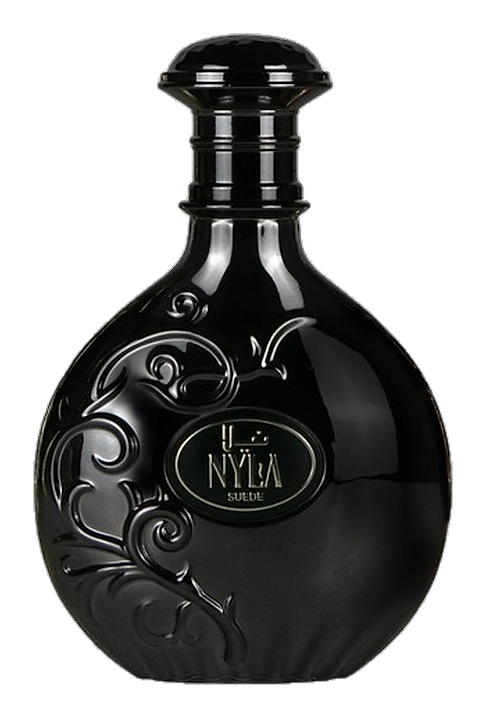
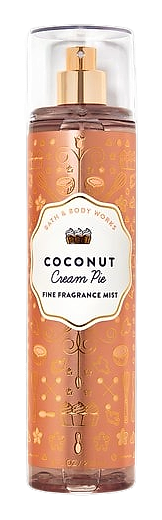
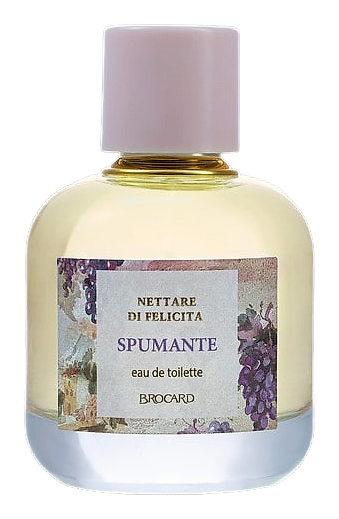
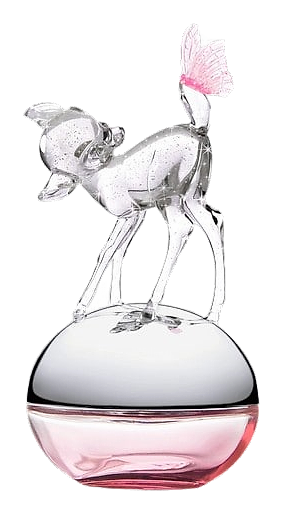
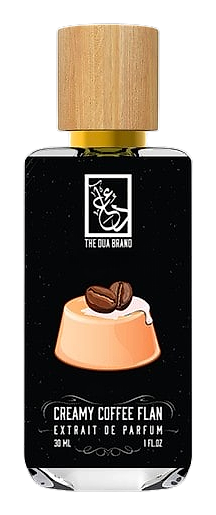
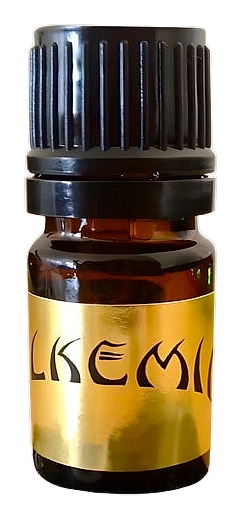
Fragrances featuring Crème Caramel
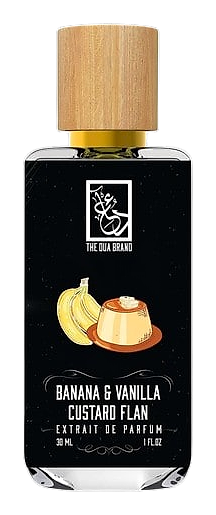
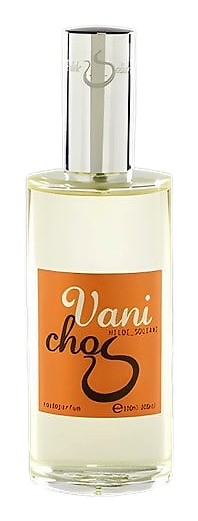
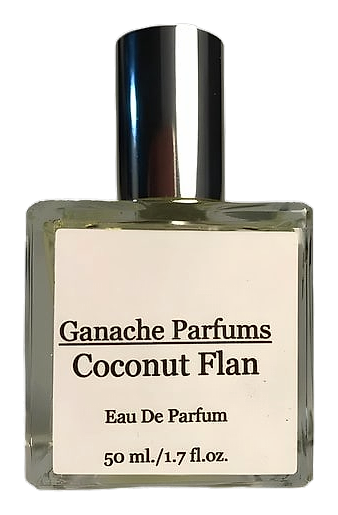
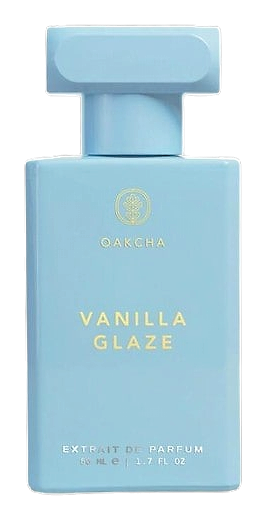
Brands
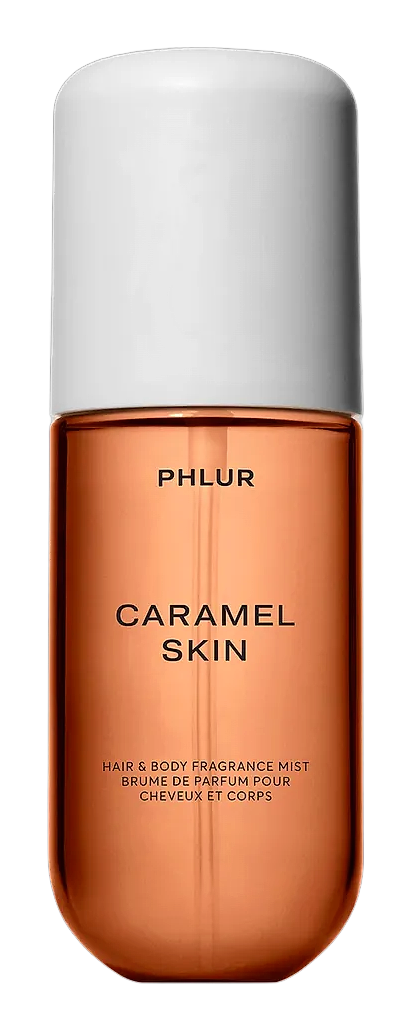
Brands known for Crème Caramel
Good to know
Questions, answered
The essentials on Crème Caramel in perfumery: how it smells, where it comes from, and how it behaves on skin.
Is Crème Caramel a natural ingredient?
No. Crème Caramel exists only as a synthetic accord in perfumery. There is no natural extraction method for caramel. Perfumers build it from lab-created molecules that replicate the scent of heated sugar and dairy.
How do perfumers create the caramel scent?
They combine synthetic compounds including furanones, vanillin, coumarin, and lactones. Furanones contribute the characteristic burnt-sugar note. Adjusting ratios among these molecules allows perfumers to produce anything from dark, sticky caramel to light crème brûlée.
What fragrance first made caramel famous in perfumery?
Mugler's Angel (1992) made caramel a signature perfumery note. Its thick, edible caramel accord was unlike anything in mainstream fragrance at the time and is widely credited with launching the entire gourmand fragrance category.
What does Crème Caramel smell like?
It smells like the moment sugar transitions from golden to dark. Expect warm toffee, cream, and a slightly bitter edge from genuine caramelization. In fragrance it reads as sweet, edible, and comforting, never sharp.
Does caramel note degrade over time in perfume?
Caramel notes are generally stable in alcohol-based perfume. The synthetic molecules resist oxidation well. Performance depends on the formula's overall balance, but the caramel element typically holds up for years when stored correctly.
What ingredients are paired with Crème Caramel in perfumery?
Chocolate, praline, and vanilla are common companions. Amber and patchouli balance its sweetness, while salt and benzoin add depth. Citrus top notes can brighten it. The pairing choices depend on whether the perfumer wants edible comfort or gourmand drama.
Can you find natural caramel in nature?
No. Natural caramel as an aromatic extract does not exist. The brown color and melted-sugar aroma you recognize from confectionery comes from Maillard reactions during cooking, a process that does not occur in raw botanical material that perfumers can extract.
Why do perfumers use synthetic caramel instead of natural ingredients?
Because there is no natural source. Chemistry offers precision and consistency that no natural material can match. Synthetic caramel also allows perfumers to control its exact character, from light creaminess to deep toffee, without relying on an ingredient that simply does not exist in nature.