Cranberry Syrup
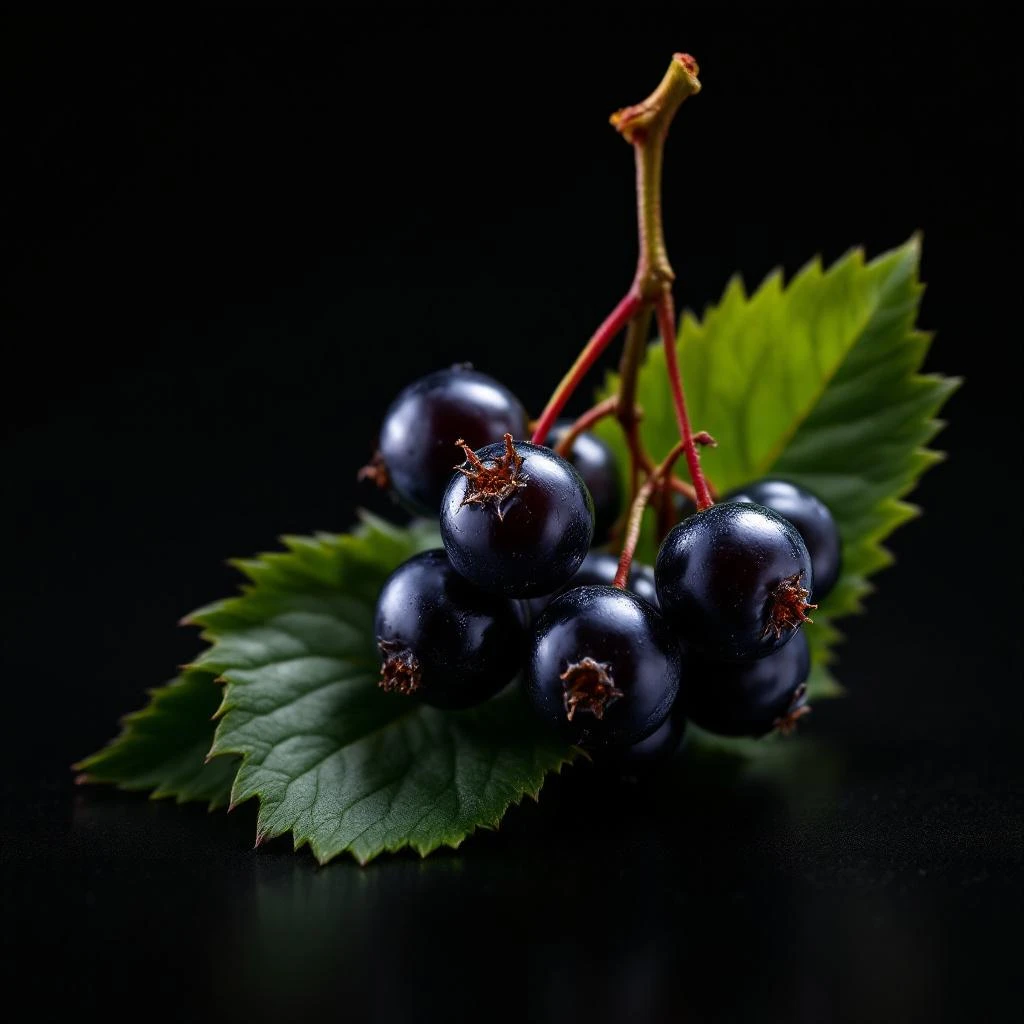
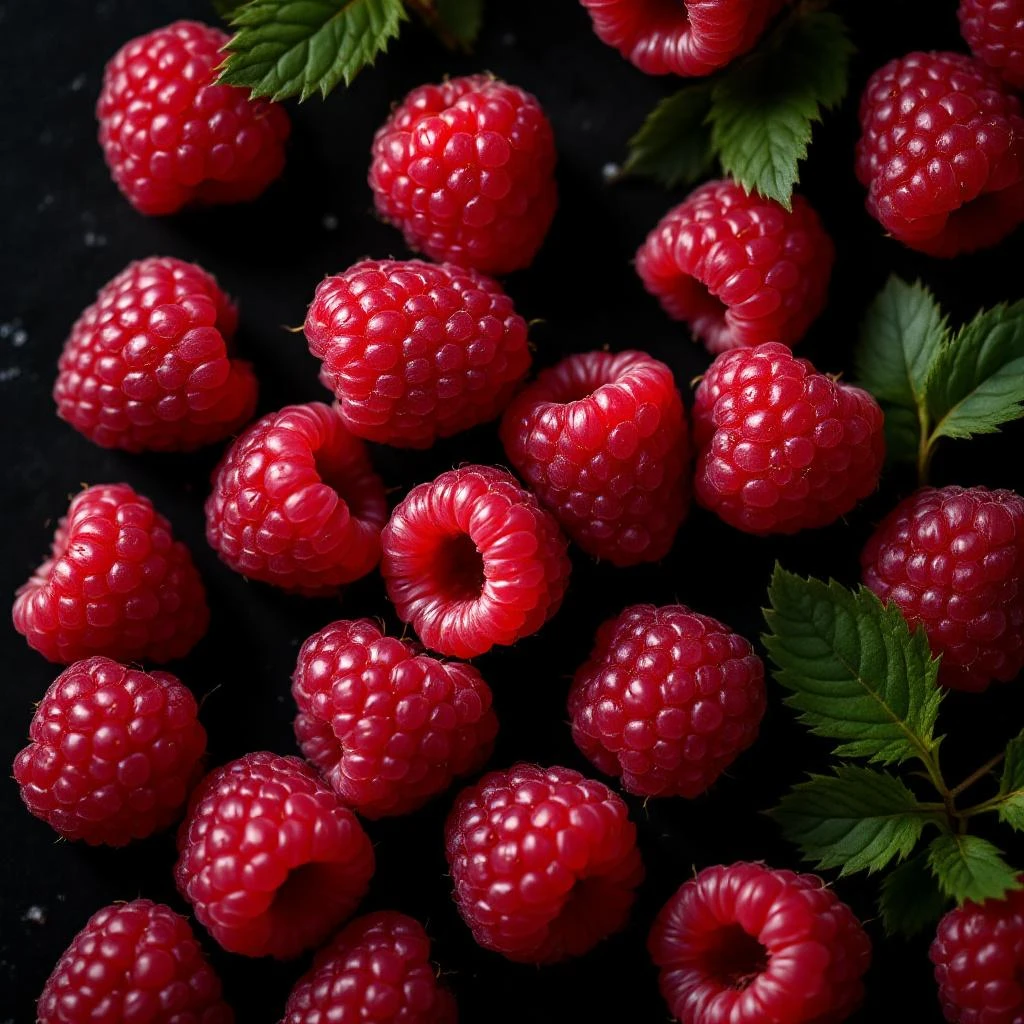
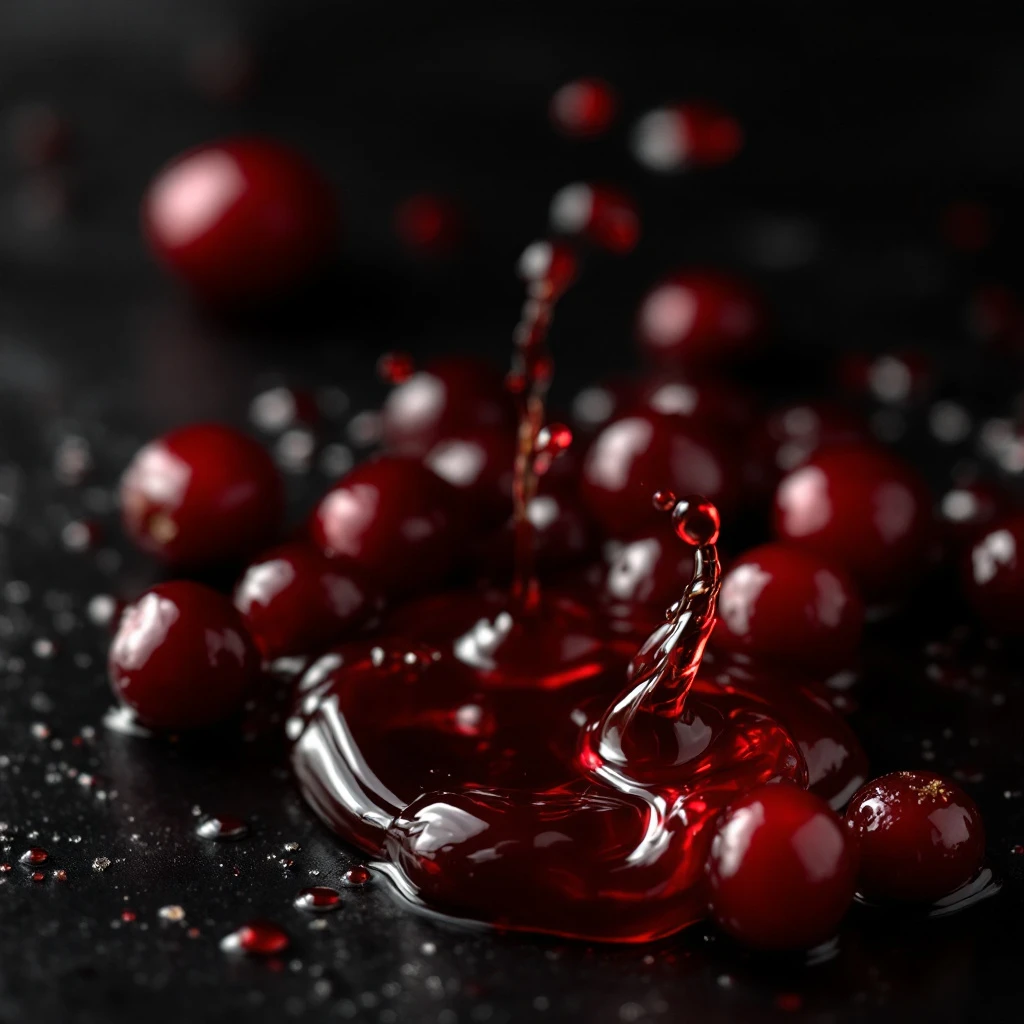
Tart red berries meet velvety sweetness. Cranberry Syrup captures the bright, almost electric acidity of fresh cranberries, softened by a deep, jammy warmth. This note brings a sophisticated tartness that prevents gourmand compositions from becoming overly sweet, bridging fruit and confection in perfumery.
Character
How it smells
Bright tartness meets velvety sweetness.
Cranberry absolute exists but remains so costly and rare that most perfumers use nature-identical aroma chemicals to capture its distinctive tart-sweet character.
Pairs beautifully with
Origin
United States
Cranberries are native to northeastern North America, where Indigenous peoples harvested them for food and medicine centuries before European contact. They incorporated the berries into pemmican and used them for wound care.
Commercial cultivation began in the early 1800s, with Massachusetts establishing the first commercial bogs on Cape Cod. In perfumery, cranberry arrived relatively late.
The fruit's tart-sweet complexity proved challenging to capture, and cranberry notes only became common in the late 20th century as fruity and gourmand fragrances gained popularity. Today, cranberry syrup appears across seasonal fragrances, particularly in autumn and winter collections where its bright, jammy character adds lift to heavier base notes.
Wears it best
Fragrances featuring Cranberry Syrup
Brands
Brands known for Cranberry Syrup
Good to know
Questions, answered
The essentials on Cranberry Syrup in perfumery: how it smells, where it comes from, and how it behaves on skin.
Is Cranberry Syrup a natural or synthetic ingredient?
Most Cranberry Syrup used in perfumery is a reconstructed aroma, blending natural-identical chemicals with tiny amounts of natural absolute when available. True cranberry absolute exists but costs limit its use. The reconstructed version reliably captures the note's tart, jammy character.
How does Cranberry Syrup differ from cranberry essential oil?
Cranberry essential oil as a steam distillate does not exist. The relevant extract is cranberry absolute, obtained via solvent or CO2 extraction. This absolute contains the full aromatic profile, whereas reconstructed accords use isolated aroma compounds to mimic the note.
Does Cranberry Syrup fade quickly in a fragrance?
As a top-to-heart note, Cranberry Syrup typically lasts 2 to 4 hours on skin. It projects strongly initially but softens as the fragrance develops. Fixatives like woods or musks extend its presence when used in the heart composition.
What fragrances pair well with Cranberry Syrup?
Cranberry Syrup blends naturally with other red fruits like raspberry and cherry, floral notes such as rose and peony, and warm bases including vanilla, amber, and cashmere wood. It also complements spice notes like pink pepper for added brightness.
Is Cranberry Syrup considered a seasonal note?
Perfumers often use it in autumn and winter fragrances, but it works year-round. The tart brightness lifts heavy winter compositions, while in lighter spring and summer scents, it adds a juicy, refreshing quality that prevents sweetness from overwhelming.
What does Cranberry Syrup smell like?
It opens with sharp, tart brightness reminiscent of biting fresh cranberries, then softens into a jammy sweetness with syrupy depth. The overall impression balances acidity with warmth, preventing the note from reading as either purely sour or overly sweet.
Where do cranberries used in perfumery come from?
Commercial cranberry production centers on Massachusetts and Wisconsin in the United States, which together produce most of the global supply. Massachusetts remains the historical origin of commercial cultivation, with bogs established in the early 1800s.
Can Cranberry Syrup cause skin irritation?
Cranberry absolute and its aroma chemicals are generally well tolerated, but as with any aromatic material, skin sensitivity varies. IFRA guidelines regulate usage concentrations in leave-on products to ensure consumer safety.