Chypre accord
An accord born in 1917, built on bergamot, labdanum, oakmoss, and florals. Chypre is both a fragrance family and a structural foundation—one that refuses to disappear.
Character
How it smells
Cyprus-born, Coty-defined, never outgrown.
The word 'Chypre' is simply the French word for Cyprus, yet it named an entire family of fragrances that still shapes perfume today.
Pairs beautifully with




Origin
France
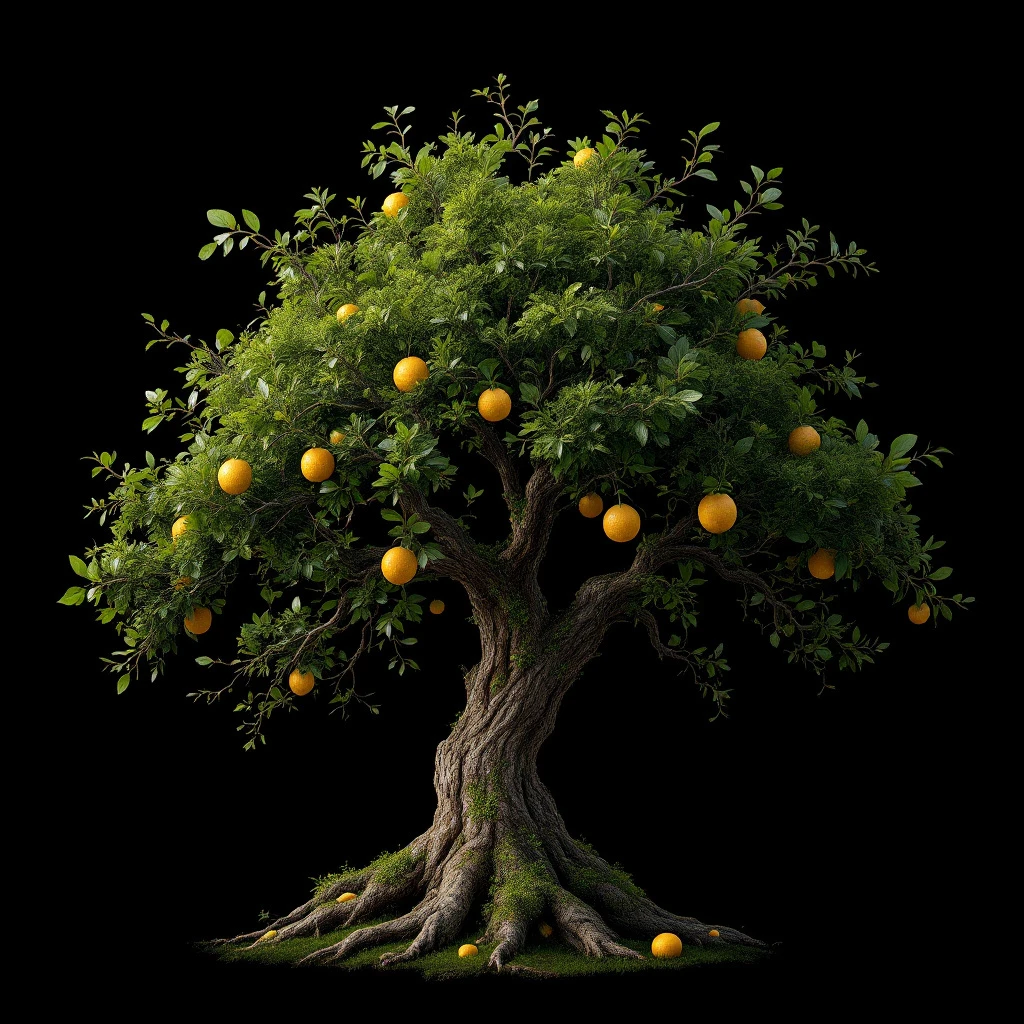
The name itself tells the story. Chypre is French for Cyprus, the island that sat at the crossroads of Mediterranean trade for centuries. Cypriot perfumers traded in resins, spices, and fragrant oils, building a reputation that inspired the term itself. By the 15th century, formulations called oiseaux de chypre appeared in perfumery manuscripts, showing that perfumers had already begun to codify a recognizable scent profile under that name.
But the accord as we know it crystallized in 1917, when Francois Coty released the fragrance simply called Chypre. It was a deliberate rejection of the airy, single-flower scents that dominated the era. Coty built his fragrance around contrast: bergamot's citrus spark against labdanum's warmth, florals bridging, oakmoss grounding. The structure was so effective that it became a template.
Perfumers used the same architecture for decades—Mitsouko, Aromatics Elixir, Femme—each time tweaking the elements while keeping the underlying scaffolding intact. The family outlived those tweaks. Even as fashion moved through aldehydes, orientals, and aquatic notes, chypre never fully went away. It kept reappearing, adapted and reimagined, proving that the accord solved something fundamental about how we want perfume to smell.
Wears it best
Fragrances featuring Chypre accord
Brands
Brands known for Chypre accord
Good to know
Questions, answered
The essentials on Chypre accord in perfumery: how it smells, where it comes from, and how it behaves on skin.
What does 'Chypre' mean in perfumery?
Chypre is French for Cyprus. The term entered perfumery because Cyprus was a historic center of fragrance trade in the Eastern Mediterranean, and perfumers used the name to describe a distinctive scent structure built on citrus, florals, labdanum, and oakmoss.
When was the Chypre accord created?
1917, by Francois Coty. He released a fragrance simply called Chypre that became the structural template for the entire fragrance family. It marked a deliberate departure from the delicate floral scents dominating the era.
What are the core ingredients in a Chypre accord?
The classic structure combines bergamot for citrus brightness, labdanum for resinous warmth, floral notes (typically rose, jasmine, or iris) as a bridge, and oakmoss for an earthy, mossy base. These four elements create the recognizable contrast that defines the family.
Is Chypre a single ingredient or a combination?
It is a combination. A Chypre accord is a structural formula where multiple aromatic materials behave as one unified note. Perfumers blend essential oils, absolutes, and sometimes synthetic materials to achieve the effect.
Why did classic Chypre fragrances become rare in the late 20th century?
IFRA introduced restrictions on oakmoss in 2001 due to allergen concerns, making traditional formulations difficult to produce. Many perfumers reformulated or shifted away from the structure, though modern synthetics now allow some revival.
Is natural oakmoss still used in Chypre perfumes?
Yes, but in heavily restricted quantities. IFRA limits mean perfumers often pair natural oakmoss with synthetic alternatives like evernyl to approximate the original effect while meeting safety regulations.
What are some landmark Chypre fragrances?
Key examples include Mitsouko by Guerlain (1919), Femme by Rochas (1944), and Aromatics Elixir by Clinique (1972). Each uses the classic structural formula but varies the floral heart and base materials to create distinct character.
How can I identify a Chypre fragrance when sampling?
Look for a citrus opening that cools into warm florals, then resolves into a dry, earthy base. The signature is the contrast between bright top notes and a mossy, grounded finish—something crisp that eventually deepens and settles.