Chinese gunpowder tea
Chinese gunpowder tea brings a smoky, almost campfire warmth to fragrance. Its tightly rolled leaves unfurl on the skin, releasing aromatic compounds reminiscent of late-harvest tea ceremonies in misty Zhejiang highlands.
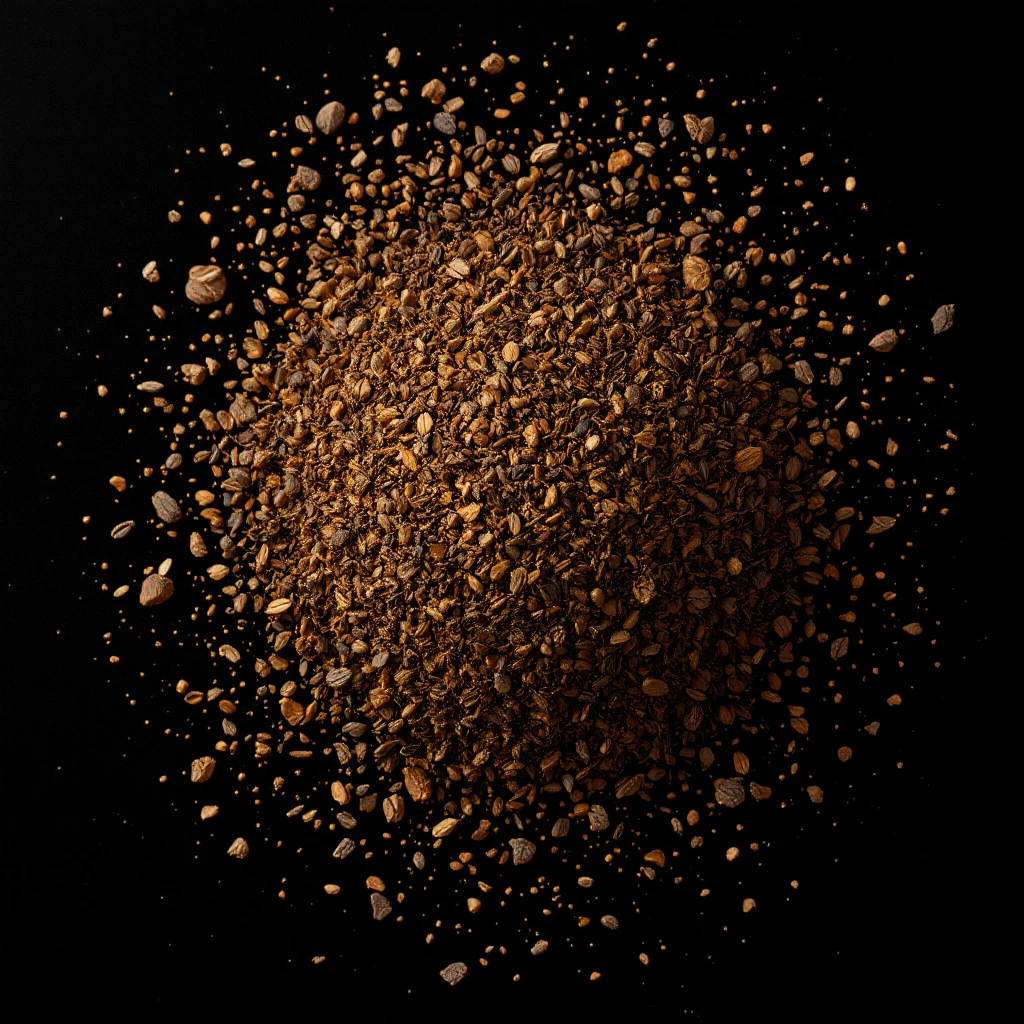
Character
How it smells
Smoky tea leaves with 1,400 years of history.
The tightly rolled pellet shape that inspired its name has remained virtually unchanged since the Tang Dynasty.

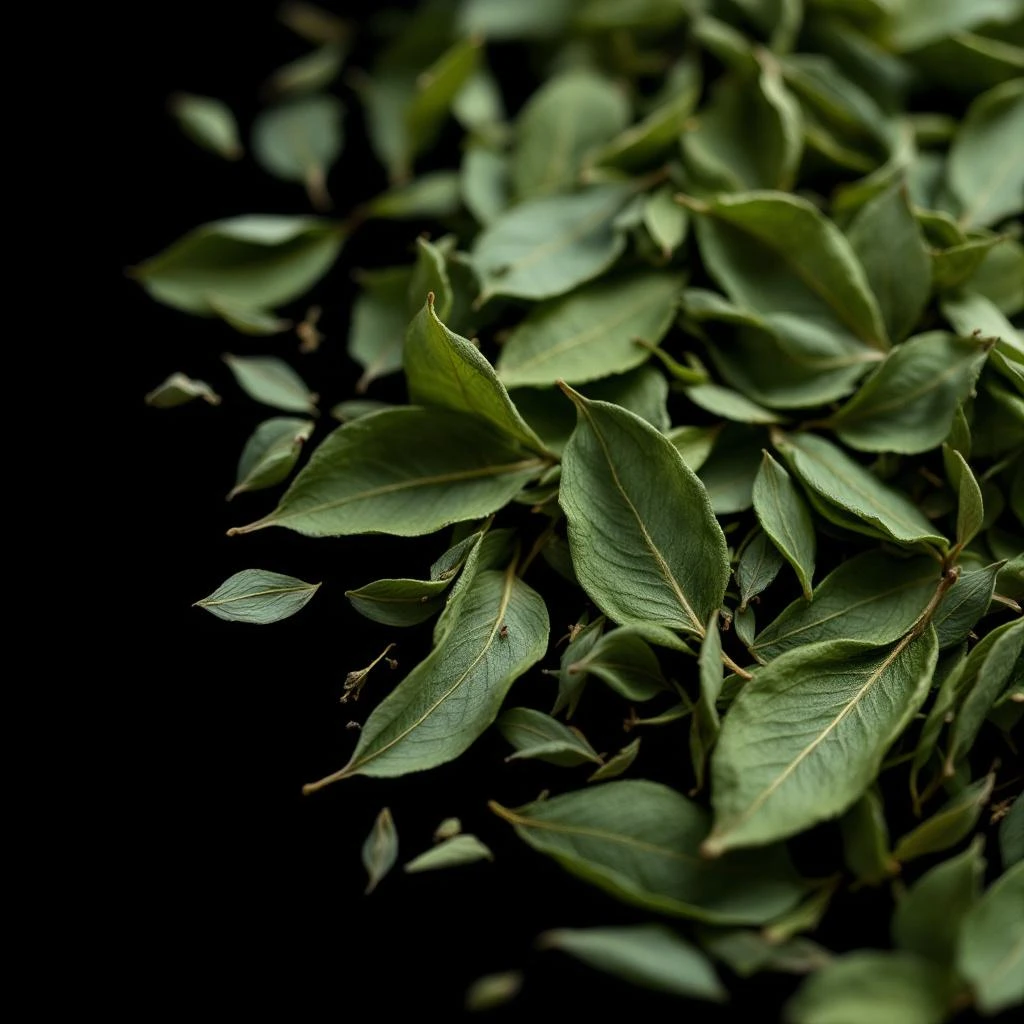




Origin
China
Gunpowder tea traces its lineage to China's Tang Dynasty (618–907 AD), when tea rollers in Zhejiang Province began shaping withered leaves into compact pellets. The Chinese name zhū chá literally means pearl tea, reflecting the pellet shape. Pingshui in southeastern Zhejiang had already emerged as a tea trade hub before the production method fully crystallized.
Over centuries, the tightly rolled form proved remarkably practical for transport and storage, and foreign merchants who encountered it during trade routes bestowed the evocative English name. By the Qing Dynasty, export demand from the West had firmly established gunpowder tea as one of China's most recognized green teas, and its warm, smoky character has since inspired perfumers seeking tea-based accords in premium fragrances.
Wears it best
Fragrances featuring Chinese gunpowder tea

Brands
Brands known for Chinese gunpowder tea
Good to know
Questions, answered
The essentials on Chinese gunpowder tea in perfumery: how it smells, where it comes from, and how it behaves on skin.
What does Chinese gunpowder tea smell like in perfume?
Gunpowder tea absolute carries a warm, smoky aroma with undertones of vegetal greenness and a faint sweetness. The smoky quality often draws comparisons to morning mist over tea fields rather than aggressive bonfire smoke.
How long has gunpowder tea been produced?
Gunpowder tea production dates back to the Tang Dynasty, running from 618 to 907 AD. That puts its origin around 1,400 years ago in China's Zhejiang Province.
Why is it called gunpowder tea?
The name refers to the appearance of the processed leaves. After steaming and rolling, the leaves compact into small dark pellets resembling the grain powder once used in armaments.
Where does gunpowder tea originate?
The tea originated in Zhejiang Province, China, specifically around Pingshui town. Today Zhejiang remains the primary producing region, though Taiwan also cultivates gunpowder-style teas.
What gives gunpowder tea its smoky character?
The smoky note develops during the steaming phase of production. Leaves are briefly steamed to soften them for rolling, and this step activates enzymatic reactions that contribute to the warm, slightly charred aromatic profile.
Is gunpowder tea used in perfumery synthetic or natural?
Both natural and synthetic options exist. Natural gunpowder tea absolute is produced via steam distillation of processed leaves. Synthetic substitutes recreate the smoky-smoky aroma for mass-market formulations.
What fragrance families pair well with gunpowder tea?
Gunpowder tea absolute integrates particularly well in green tea accords, chypre structures, and unisex Oriental compositions featuring smoky, slightly bitter facets.
Does gunpowder tea appear as a top, heart, or base note?
Gunpowder tea functions most often as a heart note. Its aromatic profile opens within the first minutes of wear, lending a smoky tea character that bridges brighter citrus top notes and deeper base accord ingredients.