Chinese gooseberry
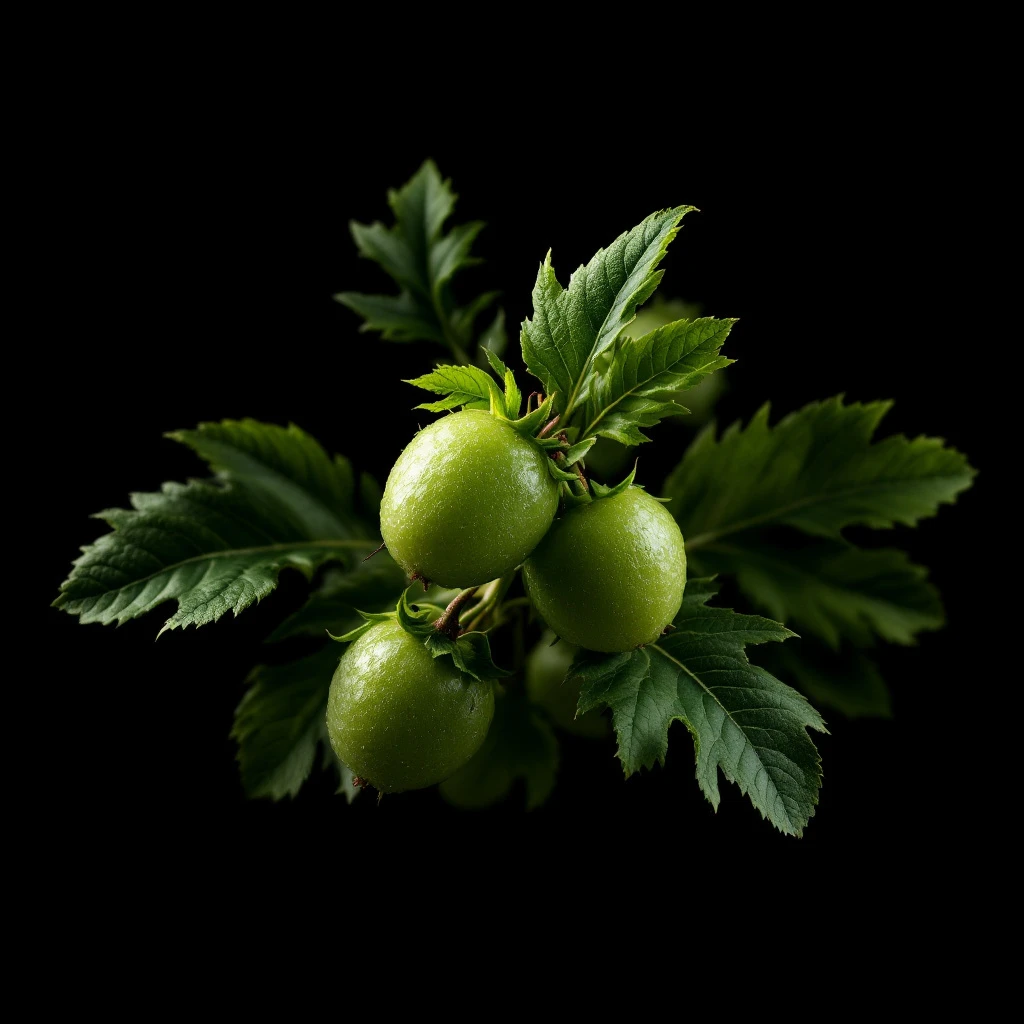
Chinese gooseberry lends fragrances a bright, green-fruity lift that cuts through heavier compositions. Its unique sweet-tart character creates an unexpected freshness, especially effective in modern olfactory constructions that seek a natural, living quality.
Character
How it smells
Green, tropical, and unexpectedly versatile
This fruit spent centuries as a garden curiosity in China before becoming the kiwi, named after New Zealand's national bird.





Origin
China
Chinese gooseberry grew wild in the Yangtze River valley for centuries before anyone considered it worth cultivating. Chinese gardeners tended it in private spaces, valuing its ornamental vines and unique fruit long before understanding its commercial potential.
European botanists documented the plant in the early 18th century, but the species remained largely unknown outside East Asia until the early 20th century. New Zealand schoolteacher Isabel Fraser brought seeds to her homeland in 1904, where growers recognized the fruit's commercial promise and eventually renamed it kiwi after their national symbol.
The rename effectively severed the fruit from its Chinese origins in Western consumer consciousness. Contemporary perfumers who work with green-fruity materials often reference this fruit's dual heritage, acknowledging its ancient Chinese roots alongside its modern global identity.
Wears it best
Fragrances featuring Chinese gooseberry

Brands
Brands known for Chinese gooseberry
Good to know
Questions, answered
The essentials on Chinese gooseberry in perfumery: how it smells, where it comes from, and how it behaves on skin.
What does Chinese gooseberry smell like in perfume?
Chinese gooseberry brings bright, green-fruity notes with a sweet-tart character reminiscent of fresh strawberries and melon. The effect is fresh and uplifting, often compared to just-cut grass mixed with tropical fruit.
Is Chinese gooseberry used as a natural or synthetic ingredient?
Modern perfumery uses Chinese gooseberry almost exclusively as a nature-identical synthetic. Reconstructed aromatic materials replicate the fruit's characteristic green and fruity notes more reliably than natural extraction.
What fragrances feature Chinese gooseberry?
This ingredient appears in contemporary fresh and fruity fragrances across multiple brands. Its versatility makes it popular in casual daytime perfumes and modern unisex compositions seeking a green, natural feel.
Where does Chinese gooseberry originate?
The fruit is native to the Yangtze River valley in central China, where it grew wild for centuries before becoming a cultivated garden plant. Global trade introduced it to New Zealand, which renamed it kiwi.
Does Chinese gooseberry provide any therapeutic benefits in fragrance?
Fragrance chemistry focuses on aromatic properties rather than therapeutic effects. The ingredient's fresh, clean character creates psychological associations with naturalness and vitality.
What extraction method suits Chinese gooseberry?
Nature-identical synthesis produces the most consistent results for this ingredient. Natural extraction yields are typically too low and variable for commercial fragrance use.
How long has Chinese gooseberry been used in perfumery?
The ingredient became common in fragrance compositions during the 1990s, as aroma chemistry advanced enough to replicate its complex green-fruity profile reliably.
What perfume families use Chinese gooseberry?
Fresh chypre, fruity florals, and modern green compositions most commonly feature this ingredient. It works particularly well alongside citrus, white florals, and transparent woody bases.