Chia Seed
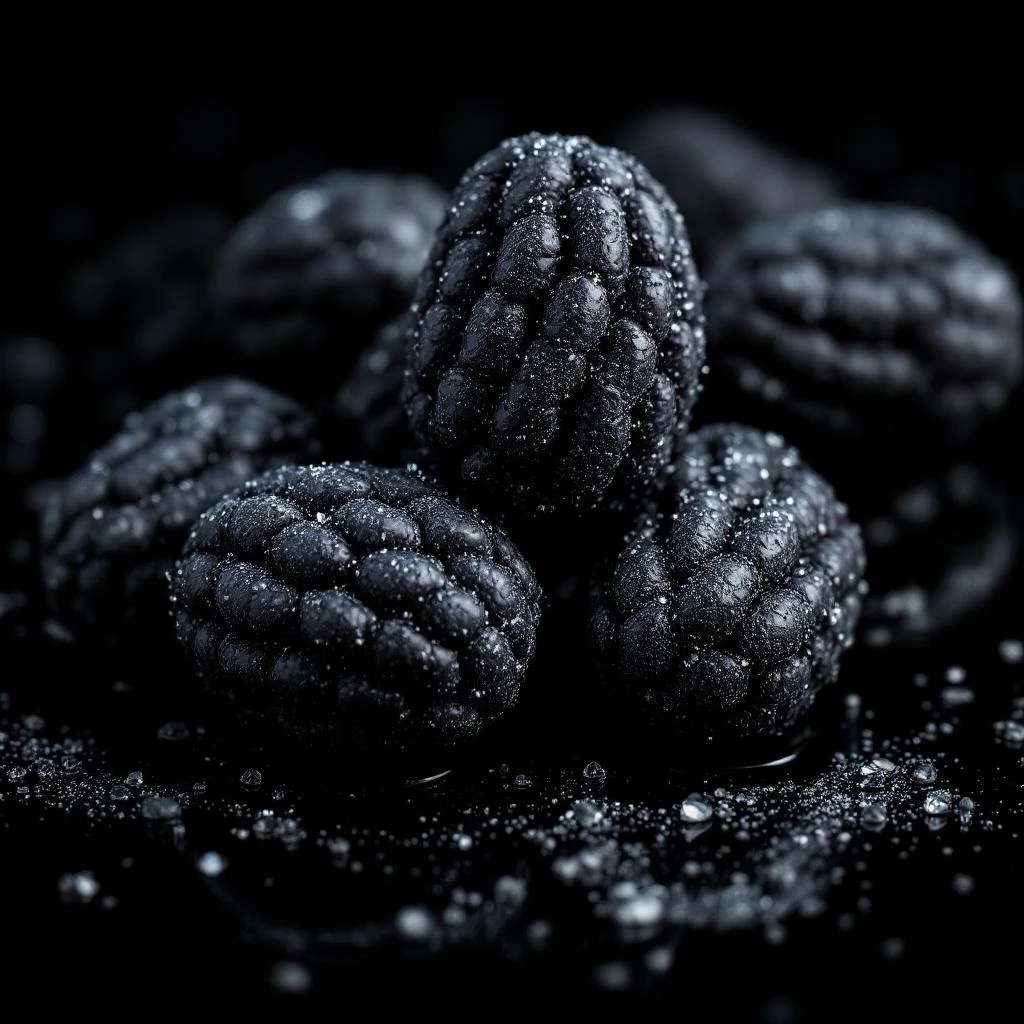
Chia seeds carry an unexpected gift for perfumery. Discover how this ancient Mesoamerican staple found its place as a subtle heart note in modern fragrance.
Character
How it smells
Ancient grain, quiet elegance in fragrance.
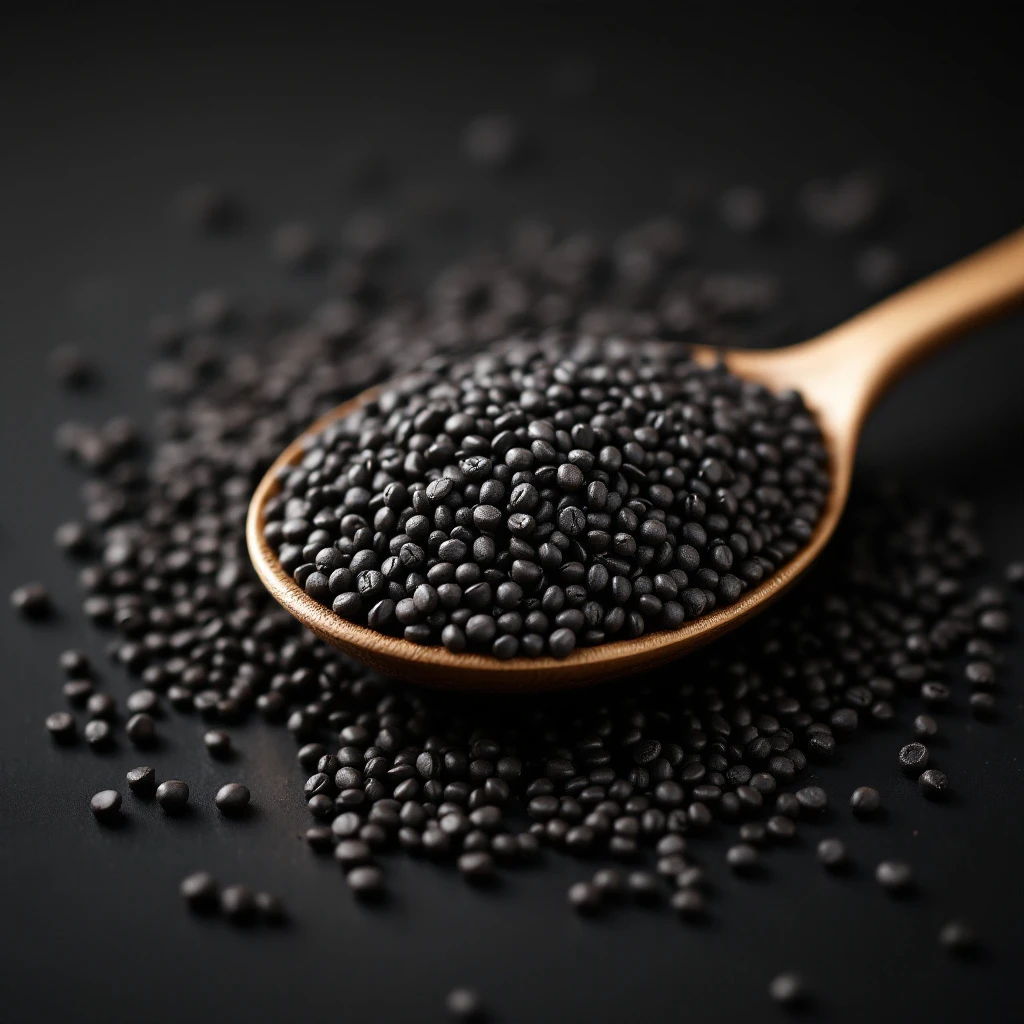
The Aztecs valued chia so highly they used it as currency. Today, it appears in perfumery as a delicate, nutty heart note you might never notice but always feel.
Pairs beautifully with


Origin
Mexico
Salvia hispanica grew wild in Mexico and Central America long before civilization named it. Ancient Maya and Aztec cultures cultivated chia as a sacred staple, ranking it alongside maize and beans in dietary importance.
Warriors carried chia seeds on long campaigns for sustained energy, and the Aztecs used chia as currency at markets. When Spanish colonizers arrived in the 1500s, they encountered this remarkable seed but largely ignored its aromatic potential, focusing instead on its nutritional value.
The plant spread through colonial trade routes to South America and beyond. Contemporary perfumers only recently began exploring chia seed oil as a fragrance material, establishing a new chapter in an ancient story that stretches back over 3,500 years.
Wears it best
Fragrances featuring Chia Seed
Brands
Brands known for Chia Seed
Good to know
Questions, answered
The essentials on Chia Seed in perfumery: how it smells, where it comes from, and how it behaves on skin.
What does chia seed oil smell like in perfumery?
Chia seed oil carries a warm, nutty aroma with subtle green and grassy undertones. In fragrance, it functions more as a textural base than a dominant note, adding organic depth that supports and stabilizes lighter accords.
Where does chia used in perfumery come from?
Mexico remains the primary origin, where chia has grown for over 3,500 years. Australia, Peru, Bolivia, and Argentina now produce significant crops. Sustainable cultivation in these regions supports ethical sourcing practices.
How do perfumers extract aroma from chia seeds?
Producers use supercritical CO2 extraction, applying carbon dioxide under high pressure to draw oils from seeds without heat exposure. This technique preserves delicate aromatic compounds that simpler methods might degrade.
What role does chia seed play in fragrance formulations?
Chia seed oil acts as a base material that stabilizes lighter top notes and extends fragrance longevity. Its fatty acid content adds textural warmth while supporting the overall composition without overwhelming other ingredients.
Which fragrance families pair well with chia?
Chia complements green, woody, and aquatic fragrance families particularly well. It harmonizes with vetiver, clary sage, and green tea notes while bridging fresher citrus and marine accords.
Why is chia considered a sustainable fragrance ingredient?
Chia plants require minimal water and grow well without intensive agricultural input. Major producers in Australia and South America operate under increasingly rigorous sustainability standards, making chia an environmentally conscious choice.
Is chia seed oil easy to detect in a fragrance blend?
Chia operates as a subtle supporting note rather than a focal point. Most wearers experience its presence through the overall warmth and stability it lends to compositions, rarely identifying it as a distinct scent.
What makes chia unique among modern perfumery ingredients?
Chia bridges ancient Mesoamerican tradition with contemporary fragrance science. It represents a rare case where a material with 3,500 years of human history only recently entered perfumery, offering perfumers a genuinely novel ingredient.