Cherry Milk
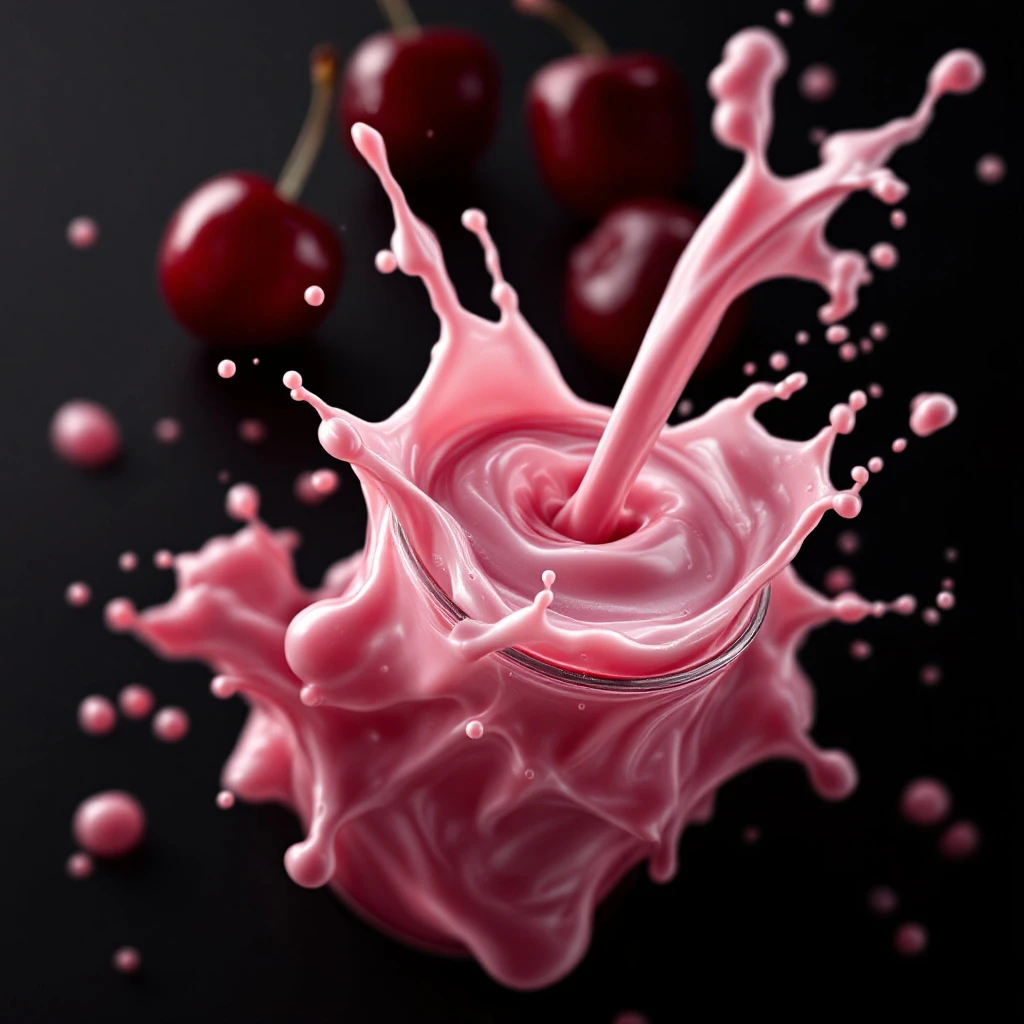
Cherry Milk is a gourmand interpretation of ripe cherry softened by creamy, lactonic warmth. In perfumery, it blends the sharp, almond-like character of benzaldehyde with the smooth, milky depth of synthetic lactones.
Character
How it smells
Bright cherry meets the velvet warmth of cream
Cherry takes its name from Kerasous, an ancient Greek port in modern Turkey, from where Roman armies first carried the fruit westward into Europe.
Pairs beautifully with


Origin
Turkey
The cherry traveled westward from ancient Kerasous, a port city on Turkey's Black Sea coast. The Romans encountered it there and carried pits back to Europe, spreading cultivation across their empire. For centuries, perfumers had no way to capture its scent until the late nineteenth century, when organic synthesis opened new possibilities.
William Henry Perkin's first synthetic aroma compounds in 1868 marked a turning point. By the twentieth century, chemists could reliably produce benzaldehyde and lactones, giving perfumers the raw materials to build cherry notes from scratch. Today, Cherry Milk exists as a laboratory creation, an interpretation built from molecules that nature never assembled in this form.
It reflects a broader shift in perfumery: from extracting what nature offered to engineering what the nose desires.
Wears it best
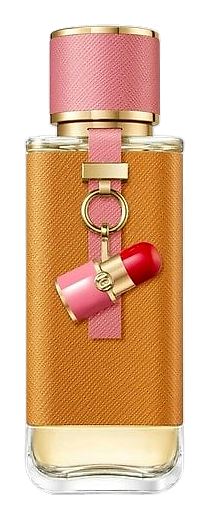
Fragrances featuring Cherry Milk
Brands
Brands known for Cherry Milk
Good to know
Questions, answered
The essentials on Cherry Milk in perfumery: how it smells, where it comes from, and how it behaves on skin.
What is Cherry Milk in perfumery?
Cherry Milk is a composed fragrance note that blends synthetic cherry and creamy lactones. Benzaldehyde provides the sharp, marzipan-like cherry character while synthetic lactones add a smooth, milky warmth. Together they create a gourmand interpretation that has no direct natural equivalent.
Is Cherry Milk made from real cherries?
No. Natural cherry extracts do not exist in commercial perfumery. Cherry Milk is built entirely from synthetic molecules like benzaldehyde, which is derived industrially from petroleum or cinnamic acid, and lactones sourced from castor oil derivatives.
When did perfumers begin using cherry notes?
Cherry notes became feasible in perfumery only after the late nineteenth century, when commercial synthesis of benzaldehyde and similar aromatics became possible. Before that, perfumers had no reliable way to capture the fruit's scent.
What molecules create the milk aspect of Cherry Milk?
Lactones, particularly gamma-decalactone, create the creamy, coconut-like milk facet. These molecules add a smooth roundness that softens the sharp edges of benzaldehyde, producing a balanced, edible character.
What fragrance families use Cherry Milk?
Cherry Milk appears most often in oriental and gourmand fragrances. Its sweet-creamy profile pairs naturally with vanilla, tonka bean, and almond. Floral contrasts like jasmine or rose can temper its sweetness effectively.
How long does Cherry Milk last on skin?
Cherry Milk functions as a heart-to-base note element. Benzaldehyde is relatively volatile and may fade within a few hours, while lactones are heavier molecules that linger longer, leaving a creamy dry-down.
Is Cherry Milk safe for skin use?
Benzaldehyde and the lactones used in Cherry Milk are approved for cosmetic use at standard concentrations. They are listed on IFRA compliance guidelines, and formulators follow concentration limits based on skin sensitization data.
What pairs well with Cherry Milk in a fragrance blend?
Warm materials like tonka bean, benzoin, and vanilla reinforce Cherry Milk's gourmand character. Almond and heliotropin extend the marzipan aspect. For contrast, pairing it with green notes or citrus can keep the sweetness from becoming cloying.