Cashew apple
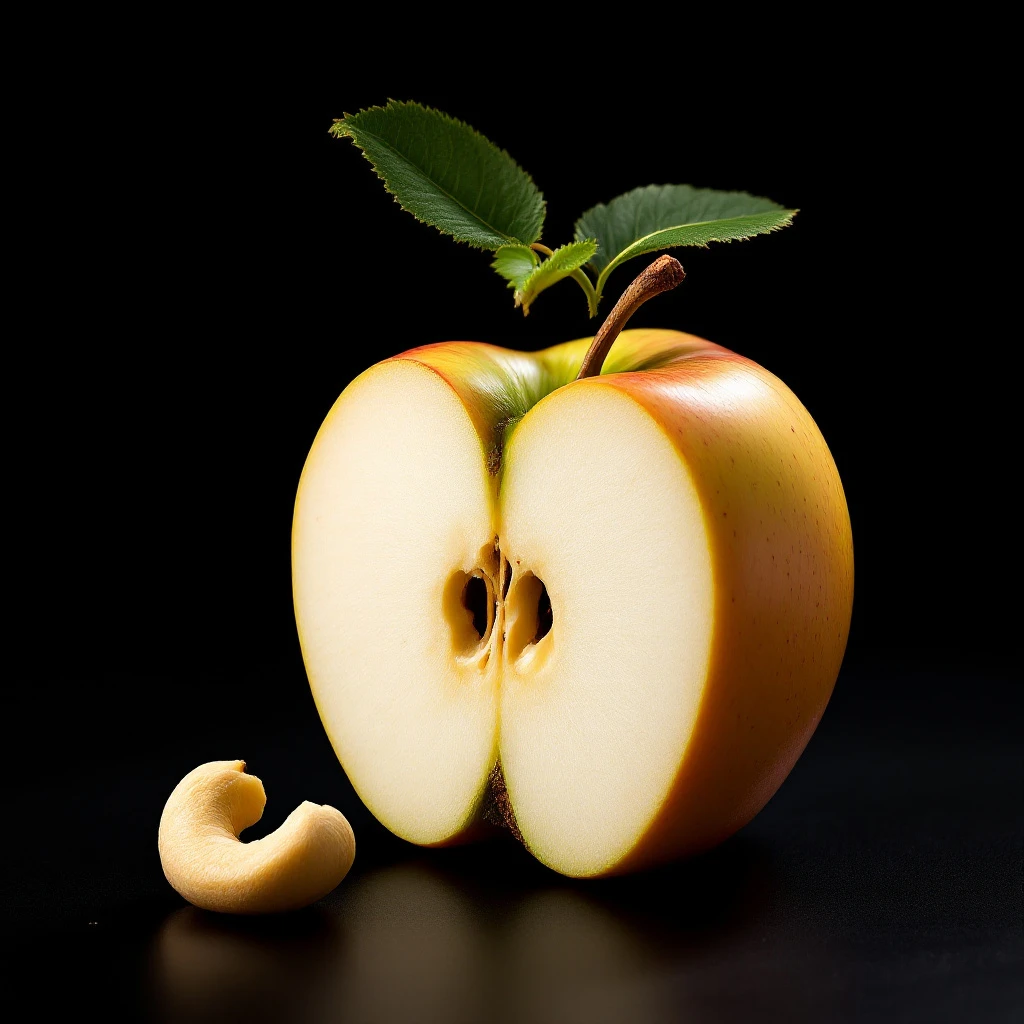
While cashew nuts travel globally, the luminous fruit they grow from stays hidden. The cashew apple rarely leaves its origin countries, yet its tropical essence has quietly shaped modern perfumery through synthetic reconstruction.
Character
How it smells
The nut's lesser-known companion fruit
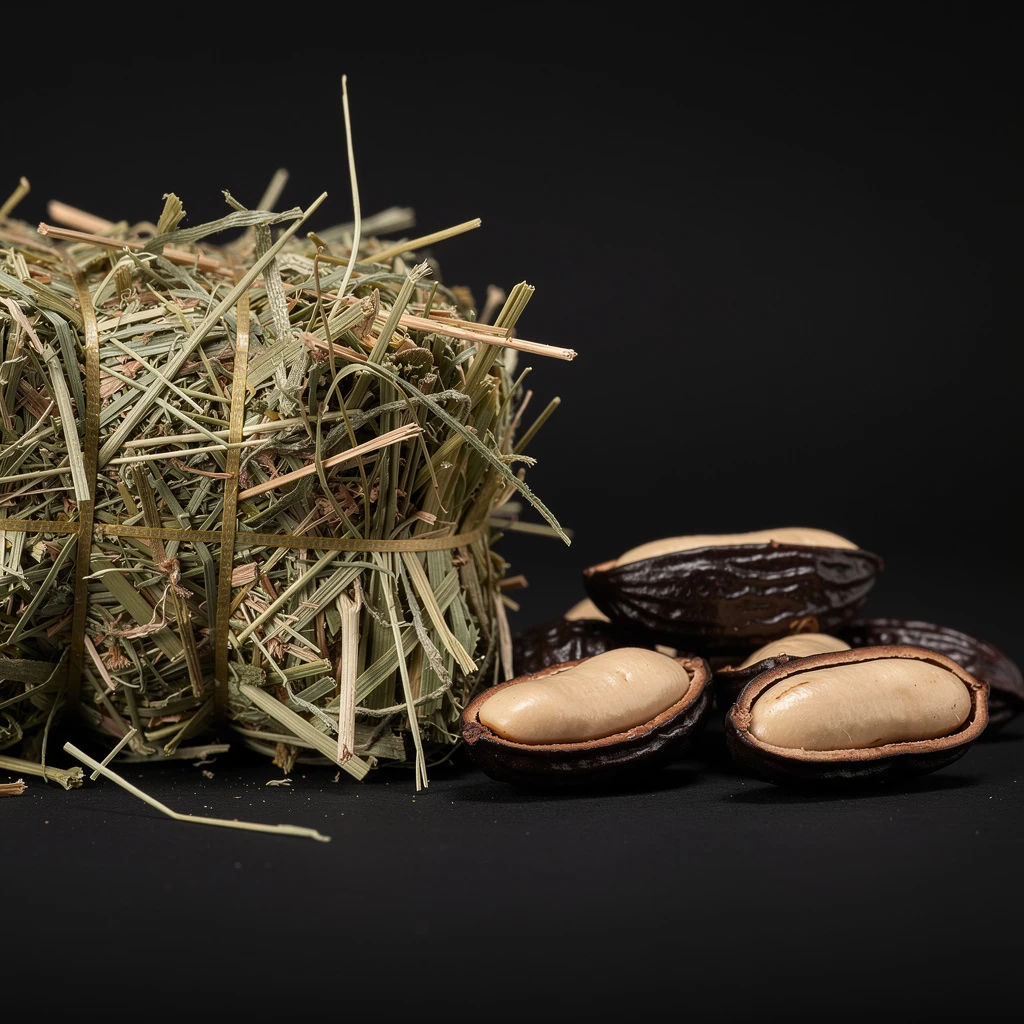
The cashew apple holds five times more vitamin C per gram than orange juice, yet 90 percent of harvested fruit goes to waste.





Origin
Brazil
The cashew tree originated in northeastern Brazil, where indigenous peoples first utilized both the nut and the fleshy apple long before European contact. Portuguese traders spread the tree along their maritime routes during the 16th century, establishing it in Goa, India, by around 1560. Goa's Portuguese colonists transformed the apple into Feni, a potent spirit distilled from fermented juice that remains a regional specialty.
The tree subsequently spread across tropical Africa and Southeast Asia. Today, approximately 50 countries cultivate cashews, with Vietnam, India, and Ivory Coast as leading producers. The apple itself stayed rooted in local traditions, rarely traveling beyond regions of harvest, while the nut became a global commodity worth billions.
The disconnect between the nut's worldwide reach and the apple's regional obscurity persists, though perfumery now grants this overlooked fruit a different kind of global presence.
Wears it best
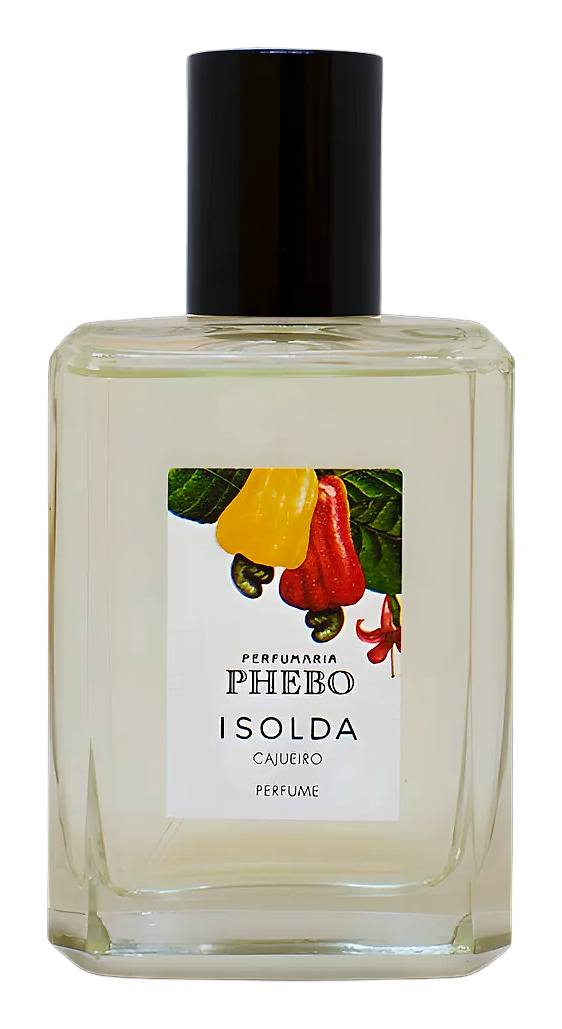
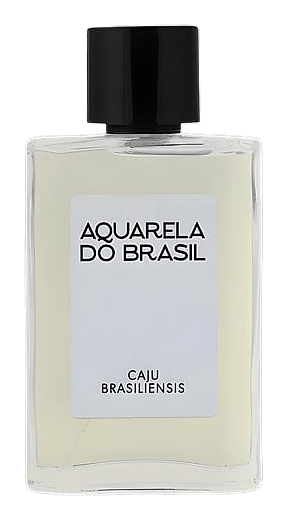
Fragrances featuring Cashew apple
Brands
Brands known for Cashew apple
Good to know
Questions, answered
The essentials on Cashew apple in perfumery: how it smells, where it comes from, and how it behaves on skin.
What exactly is cashew apple in perfumery?
Cashew apple is a tropical fruit notes derived from synthetic reconstruction. The actual cashew apple (Anacardium occidentale fruit) yields no extractable perfumery material, so fragrance chemists create approximations using aromatic compounds that mirror its fresh, fruity character.
Where does cashew apple originate?
The cashew tree is native to Brazil's Amazon basin. Wild specimens still grow along Brazil's northeastern coast. Portuguese traders later spread cultivation to India, Vietnam, West Africa, and Southeast Asia during the 16th century.
Why is there no natural cashew apple essential oil?
Standard extraction methods fail with cashew apple because the fruit contains roughly 80 percent water. Its aromatic compounds are too volatile and fragile for steam distillation or solvent extraction, making natural perfumery material impossible to produce.
How do perfumers recreate cashew apple then?
Perfumery uses synthetic aromatic molecules engineered in laboratories to reproduce cashew apple's scent profile. These reconstructions layer tropical fruit notes, subtle nutty undertones, and faint woody elements to approximate the fresh fruit's character.
What does cashew apple smell like?
Cashew apple reads as tropical, sweet, and slightly tart with a distinctive nutty backdrop. The fruit carries honeyed tropical notes tempered by subtle astringency and a hint of cashew nut warmth. Reconstructions emphasize these fruity-nutty dimensions.
Has cashew apple always been synthetic in perfumery?
Yes. No commercial cashew apple extract has ever existed in perfumery supply chains. Synthetic recreations emerged as aroma chemistry advanced, giving perfumers access to this tropical character without relying on extracts.
What are common uses for cashew apple outside perfumery?
Within origin countries, the apple becomes juice, preserves, syrups, and candy in Brazil; fermented into Feni spirit in Goa; distilled into non-alcoholic Cajuína in Brazil's Northeast; and cooked into curries or fermented as vinegar across West Africa.
Are there sustainable options for cashew apple in fragrance?
Some producers now source upcycled cashew apples from nut harvesting operations that previously discarded the fruit. Cashew Apple Pro exemplifies this approach, using organic, fairly traded fruit matter that would otherwise go to waste.