Caramelized Sugar
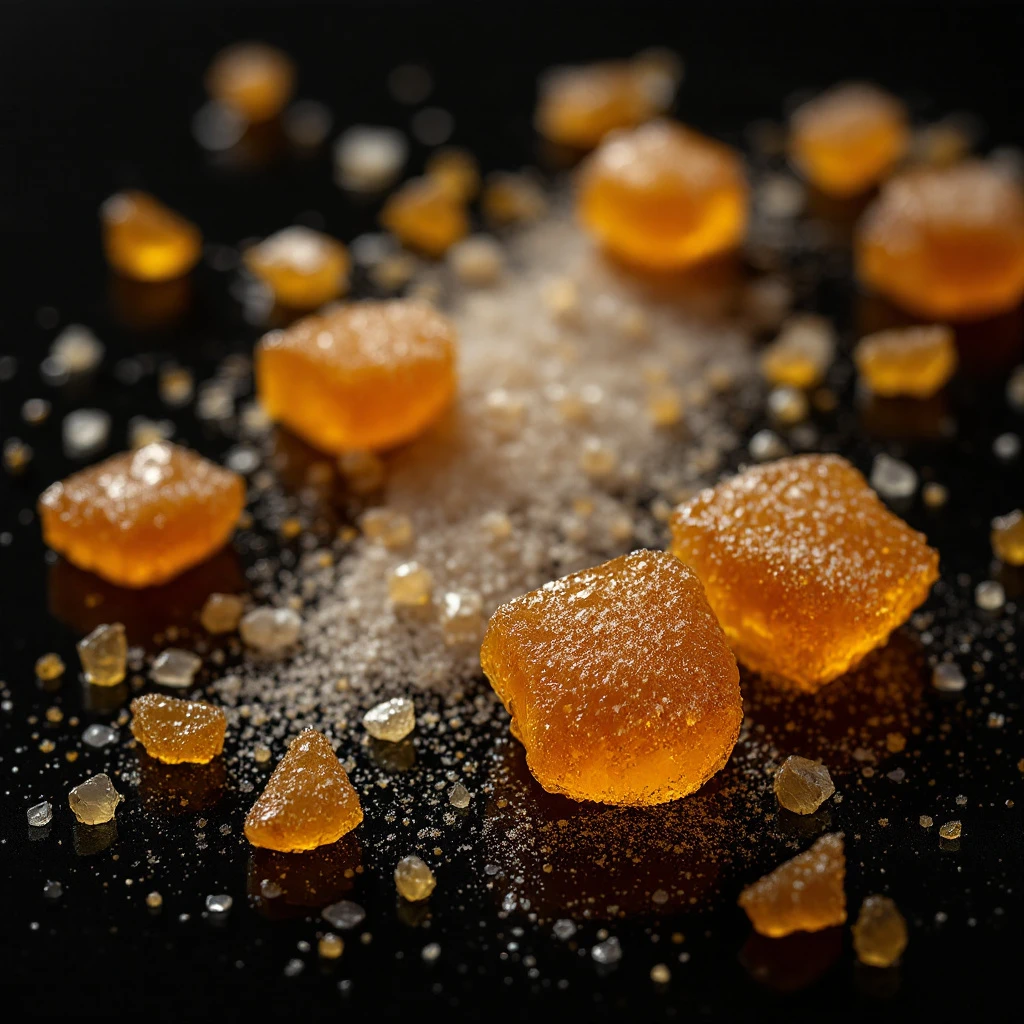
That warm, buttery sweetness of caramelized sugar that evokes childhood candy stores? Perfumery creates it entirely through synthesis, since no extraction method yields a stable natural equivalent. This confectionery note exists purely through laboratory chemistry.
Character
How it smells
Confection from chemistry.
The synthetic molecules replicating caramel sweetness are so precise that fragrance houses can adjust their burn ratios to match everything from light caramel to dark toffee.



Origin
France
The caramel note connects directly to the rise of the gourmand fragrance family in 1990s France, when niche perfume houses began challenging perfumery conventions with food-inspired scents. Before this era, sweet notes existed but rarely dominated compositions. The term gourmand itself originated in French perfumery circles during this period, describing wearers who wanted to smell delicious rather than floral or chypre.
Caramelized sugar became a signature accords within this movement, embodying comfort, nostalgia, and indulgence. Unlike traditional natural extracts with centuries of documented use, caramel represents synthetic chemistry as creative medium rather than botanical limitation.
Wears it best
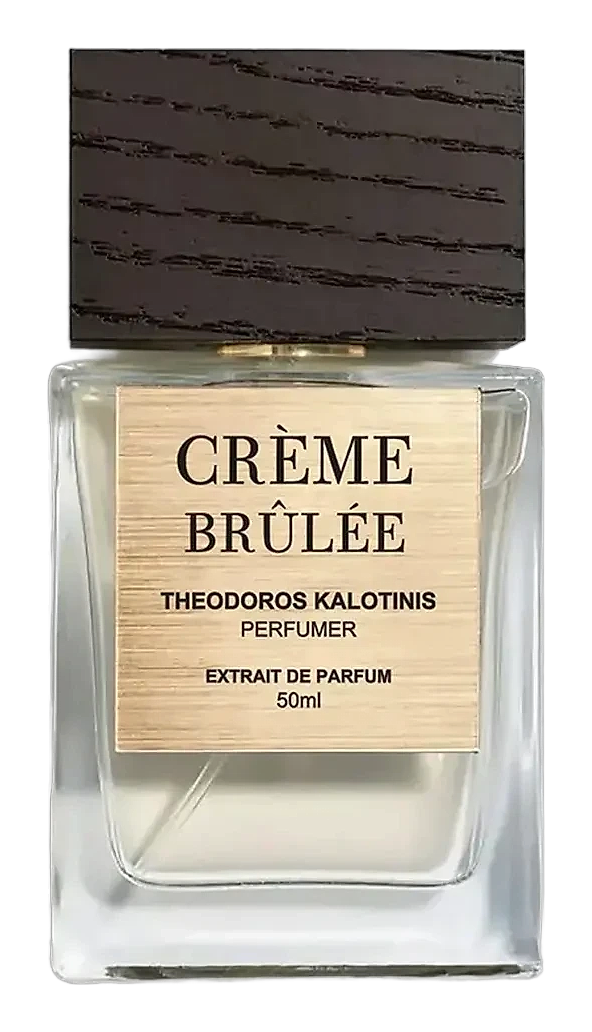
Fragrances featuring Caramelized Sugar
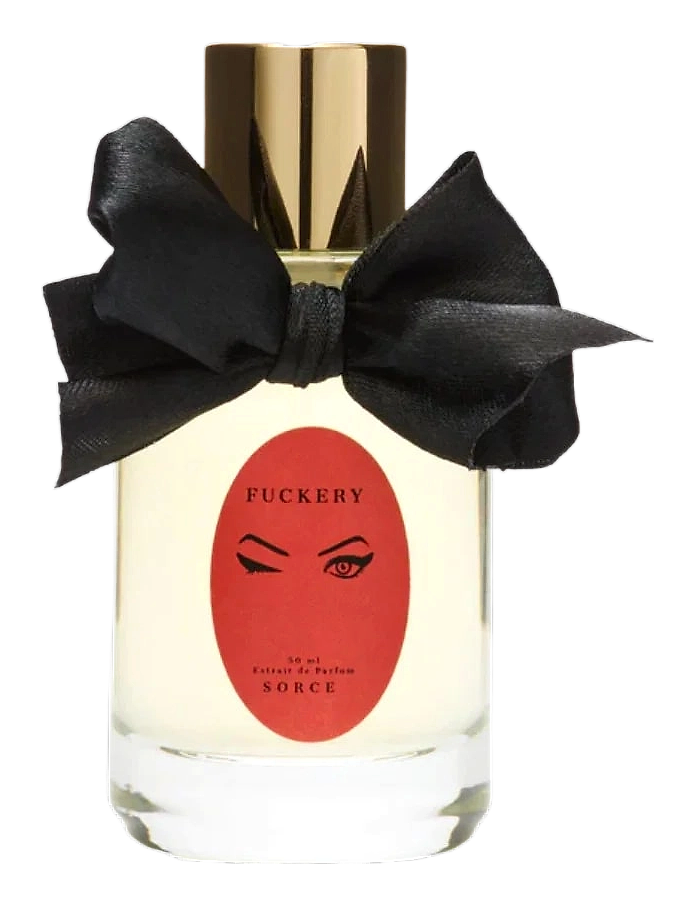
Brands
Brands known for Caramelized Sugar
Good to know
Questions, answered
The essentials on Caramelized Sugar in perfumery: how it smells, where it comes from, and how it behaves on skin.
Is caramelized sugar a natural or synthetic fragrance ingredient?
Caramelized sugar is exclusively synthetic. No natural extraction method yields a stable or usable fragrance material with the characteristic burnt-sugar aroma profile perfumers require. The Maillard reaction that creates culinary caramel produces an unstable mixture unsuitable for fragrance use.
What does caramel smell like in perfume?
Caramel in perfume smells like warm, buttery sweetness with roasted undertones ranging from light honey to dark toffee. Quality synthetic materials avoid sticky or candy-floss monotony through balanced pyrazine content that adds depth without astringency.
Which fragrance families commonly use caramel?
Caramel appears most frequently in gourmand, oriental, and ambery fragrance families. It pairs naturally with vanilla, tonka bean, benzoin, and sandalwood. Floral-gourmand combinations with jasmine or rose create modern sweet scents with complexity.
What molecules create the caramel scent in fragrance?
Furaneol represents the primary molecule for sweet caramel notes in perfumery. Alkyl pyrazines contribute roasted, nutty undertones characteristic of darker caramel. Alkyl lactones add creamy coconut facets that enhance sweetness without adding sugar itself.
When did caramel become a significant note in perfumery?
Caramel gained prominence during the 1990s fragrance revolution when the gourmand category emerged in French perfumery. The term gourmand originated in France during this period as niche houses introduced food-inspired scents that departed from traditional floral and citrus compositions.
Is synthetic caramel safe for skin and use in fragrance?
Reputable fragrance houses use IFRA-compliant caramel materials that safety organizations have evaluated thoroughly. Regulatory frameworks in the EU and US establish concentration limits ensuring consumer safety. Major fragrance suppliers provide full ingredient disclosure for transparency.
Does caramel have any cultural significance in perfumery?
Caramel embodies a shift in perfumery philosophy where synthetic chemistry became an artistic tool rather than a substitute for naturals. Its rise signaled that laboratory-created materials could deliver sensory experiences impossible to achieve through traditional extraction methods alone.
How do perfumers prevent caramel from smelling synthetic or one-dimensional?
Perfumers layer multiple caramel materials with different burn ratios to build complexity. Natural companion materials like vanillin, heliotrope, and benzoin round sharp edges while preserving the warm, edible character that makes caramel universally appealing in fragrance.