Caramelized Cedar
Warm, enveloping cedar wood treated to reveal deep, buttery caramel nuances. A contemporary take on a timeless material, where dry warmth meets sweet indulgence.
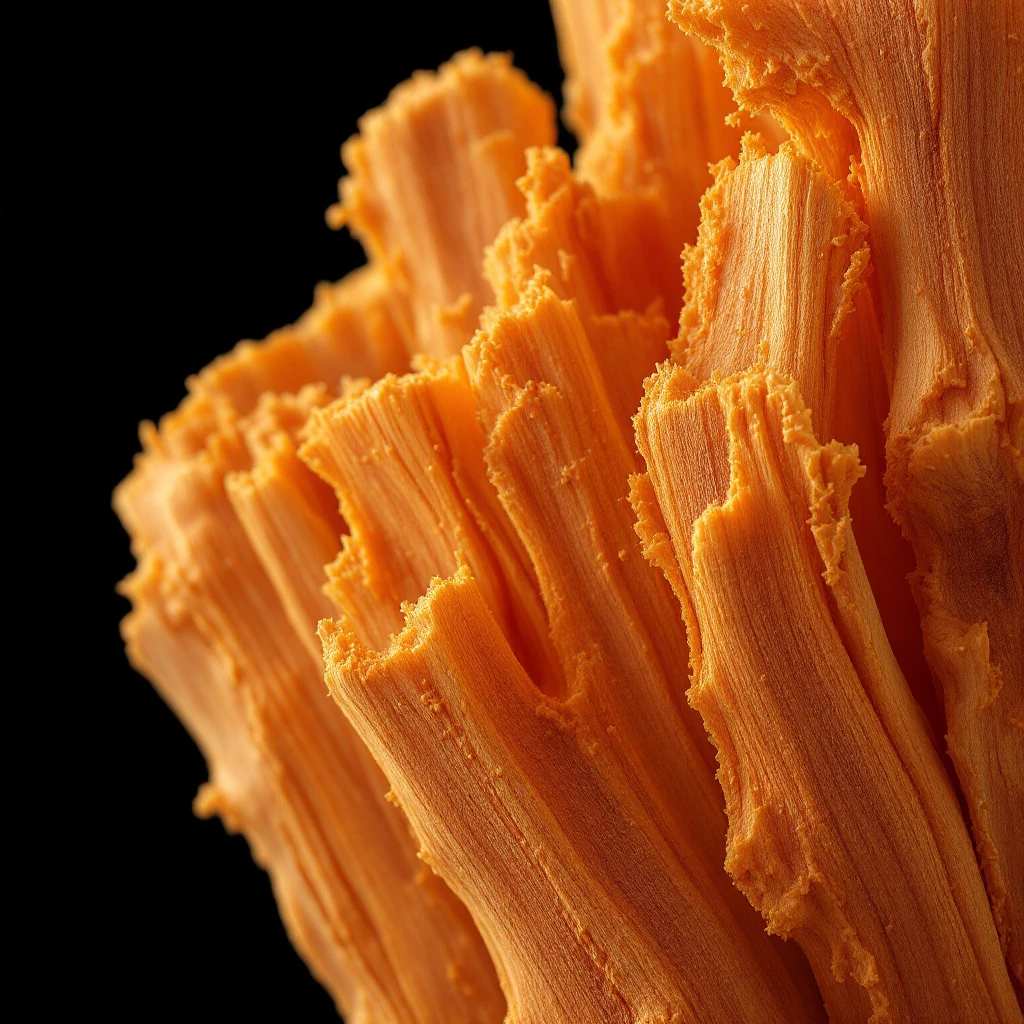
Character
How it smells
Dry wood softened by golden sweetness.
The pencil manufacturing industry generates Virginia cedarwood oil as a byproduct, linking fragrance ingredients to everyday stationery.





Origin
United States
Cedar has anchored perfumery for millennia, but the caramelized interpretation represents a distinctly modern refinement. Ancient Egyptians used cedarwood oil in ceremonial embalming, valuing its preservative and aromatic qualities.
The pencil industry, established in the 18th century, inadvertently created a cedarwood oil supply chain when manufacturers discovered the wood's aromatic potential during production. Caramelized cedar as a distinct note emerged in late 20th-century perfumery as consumer preferences shifted toward warmer, more approachable woody fragrances.
Perfumers began treating or combining cedar materials to soften their sharper, turpentine-like edges, creating versions that appeal to those who find traditional cedar overwhelming. Today, it appears in countless gender-neutral and designer fragrances as a bridge between classic woody olfaction and contemporary gourmand sensibilities.
Wears it best
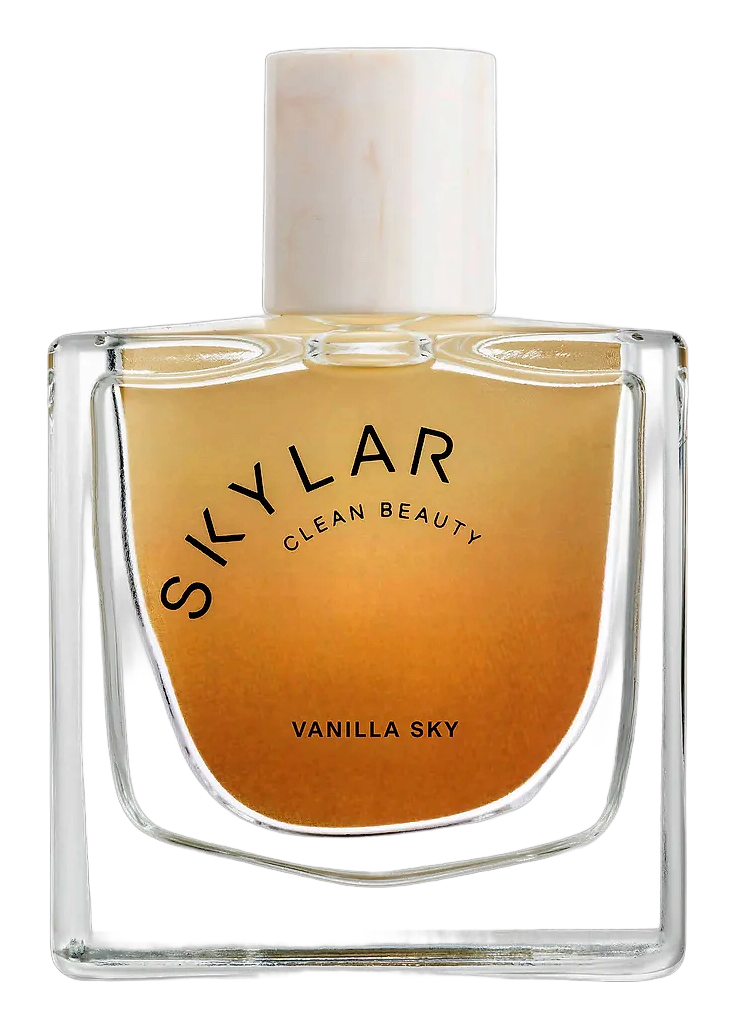
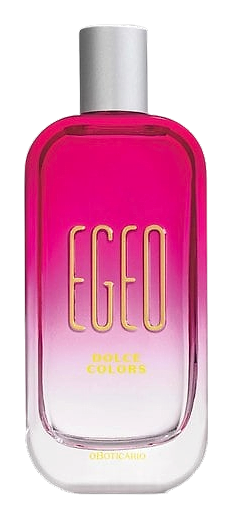
Fragrances featuring Caramelized Cedar
Brands
Brands known for Caramelized Cedar
Good to know
Questions, answered
The essentials on Caramelized Cedar in perfumery: how it smells, where it comes from, and how it behaves on skin.
What does caramelized cedar smell like?
It combines dry, pencil-wool cedar warmth with buttery, caramel-like sweetness. The result feels like warm wood touched by afternoon sunlight, with amber and brown sugar undertones.
Is caramelized cedar a natural or synthetic material?
It typically combines natural steam-distilled cedarwood oil with creative processing or strategic blending. The caramelized character often results from thermal modification or carefully combined natural materials.
What cedar species are used for caramelized cedar?
Virginia cedarwood (Juniperus virginiana) and Atlas cedar (Cedrus atlantica) are primary sources. Virginia oil contains approximately 35% cedrol, contributing rich woody character.
What fragrances pair well with caramelized cedar?
It combines beautifully with vanilla, amber, tonka bean, and sandalwood. For contrast, try it with bright citrus or cool ISO E Super for a modern woody signature.
Where does most cedarwood oil come from?
Virginia cedarwood dominates global supply, with the United States producing the majority of commercial cedarwood oil. Atlas cedar originates from North Africa and the Middle East.
What is the difference between cedar and caramelized cedar?
Traditional cedar reads as dry, pencil-wool, and slightly turpentine-like. Caramelized cedar softens these edges, adding lactonic warmth and sweet brown sugar facets while maintaining woody depth.
How long has cedar been used in perfumery?
Cedarwood ranks among the oldest fragrance ingredients, documented in ancient Egyptian ceremonies. It became a perfumery staple in the 19th century when steam distillation made extraction practical.
What role does caramelized cedar play in fragrance composition?
It serves as a warm base note that adds immediate comfort and sophistication. Perfumers use it to ground lighter top notes while providing longevity and a recognizable woody signature.