Candied Ginger
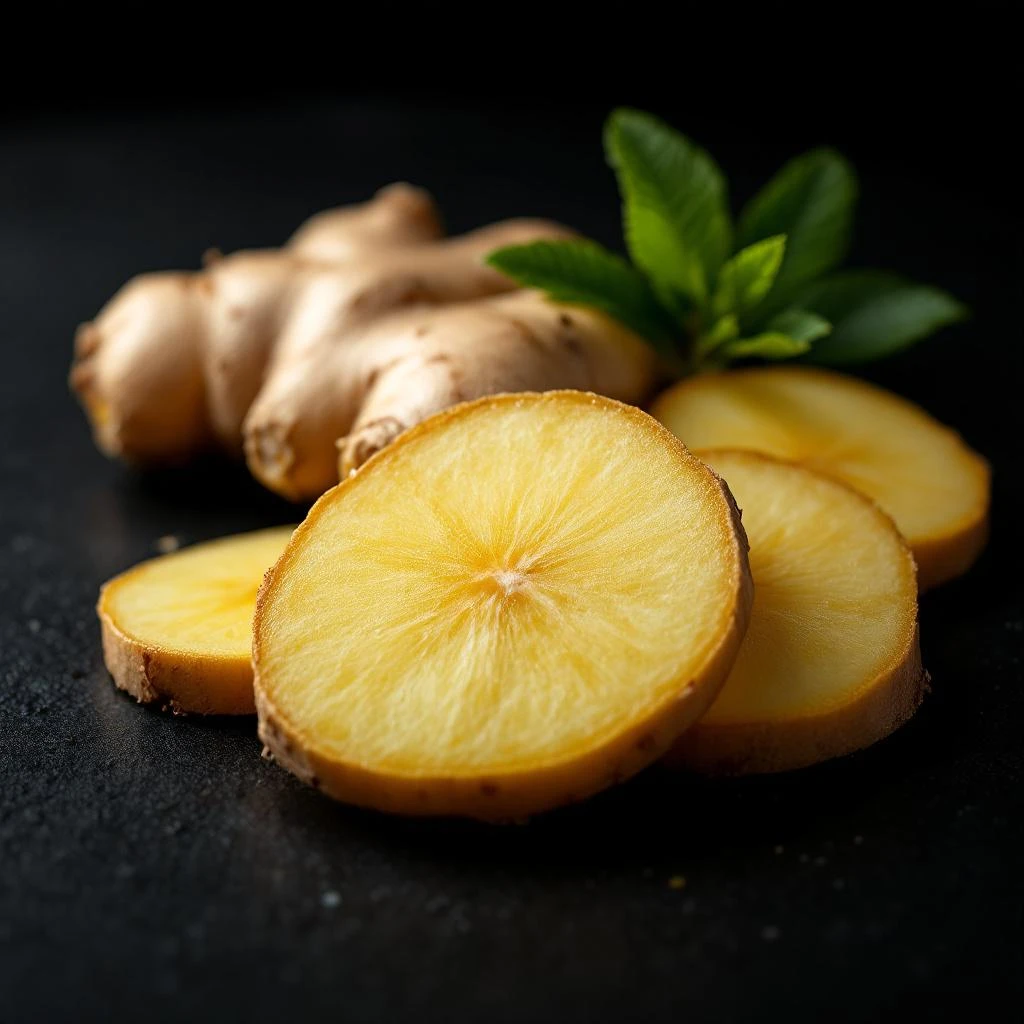
A warm, sweet-spicy note that marries ginger's bright citrus-peppery bite with caramelized sugar. Candied ginger brings gourmand depth without heaviness, lending fragrance a cozy, edible warmth that lingers.
Character
How it smells
Ginger's sweet side, crystallized for scent.
The sugar-coating process that creates candied ginger was originally developed as a preservation method for travelers at sea.





Origin
India
Ginger cultivation stretches back over 5,000 years to ancient India, where it was prized both as a culinary spice and a medicinal remedy. Chinese and Ayurvedic traditions used ginger to aid digestion and warm the body.
The candied form emerged centuries later, likely in medieval China, where ginger root was slowly simmered in honey or sugar to create medicinal sweets. When perfumery advanced through distillation in the 19th century, ginger's aromatic potential expanded beyond culinary use.
Modern perfumers borrowed the candied ginger concept, translating the sweet-spicy duality into liquid form. Today, candied ginger appears in fragrances across diverse styles, from warm orientals to fresh citrus blends, giving perfumers a bridge between spice and sweetness that feels familiar and comforting.
Wears it best
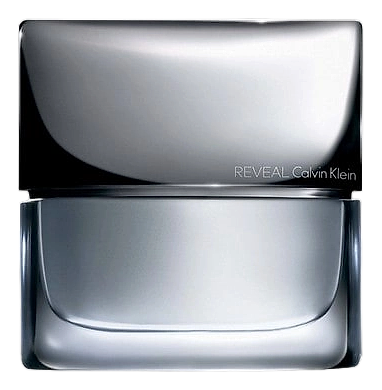
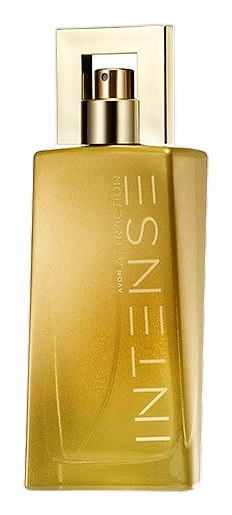
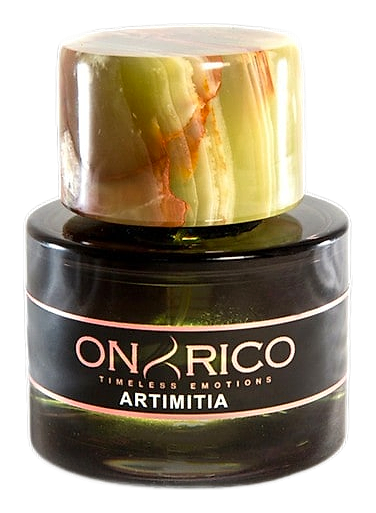
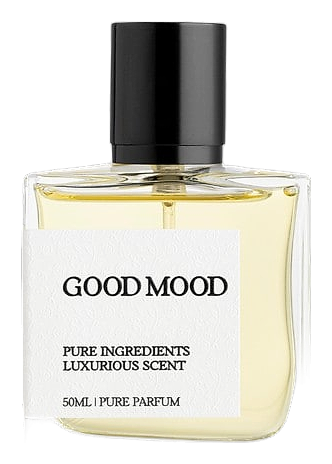
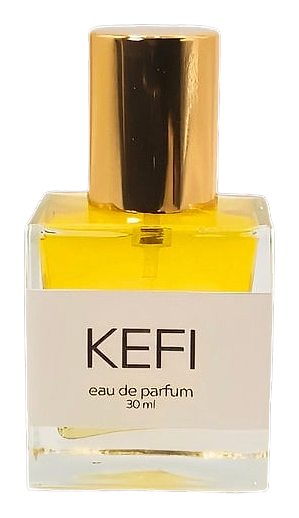
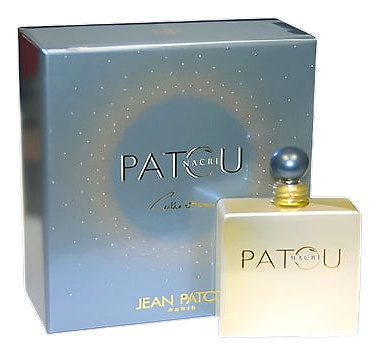
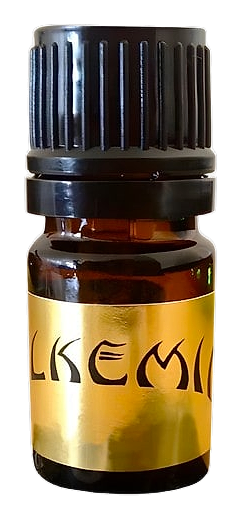
Fragrances featuring Candied Ginger

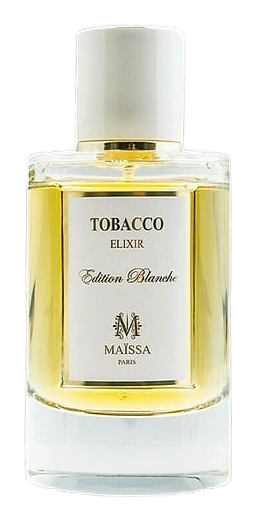
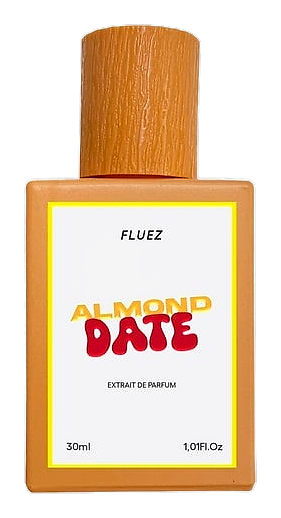
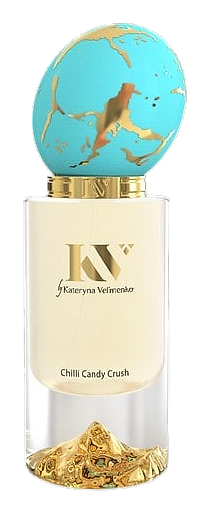
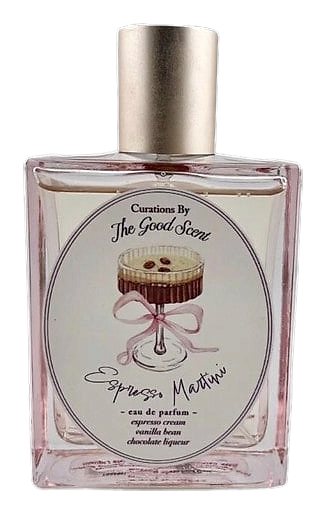
Brands
Brands known for Candied Ginger
Good to know
Questions, answered
The essentials on Candied Ginger in perfumery: how it smells, where it comes from, and how it behaves on skin.
What does candied ginger smell like in perfume?
It smells like warm ginger cooked in sugar syrup. The sharp citrus-peppery brightness of fresh ginger softens into something rounder and sweeter, with caramel and slightly woody undertones that feel edible and cozy.
Is candied ginger a natural or synthetic ingredient?
It is typically created synthetically. Perfumers combine ginger essential oil with sweet materials like vanillin to replicate the candied effect, since no natural extract captures this specific cooked-sugar character directly.
How does candied ginger differ from fresh ginger in fragrance?
Fresh ginger delivers a sharp, zesty, almost lemony heat. Candied ginger tempers that intensity with sugary warmth, producing a softer, rounder note better suited to gourmand and oriental compositions.
What fragrance families use candied ginger?
Oriental and gourmand fragrances most commonly feature this note. It also appears in warm florals and spicy chypres, where it adds sweetness without heaviness.
Which aromatic compounds give candied ginger its character?
Zingiberene provides the warm, spicy backbone. Paired with sweet materials like vanillin or benzoin, the composition mimics the caramelized, syrupy quality of candied ginger root.
What role does candied ginger play in a perfume composition?
It acts as a bridge between spice and sweetness. Perfumers use it to add warmth and gourmand appeal while keeping the overall blend grounded and approachable rather than overly heavy.
Does candied ginger have historical significance in perfumery?
Candied ginger as a fragrance concept emerged only in the modern era. However, ginger itself has been used in perfumery since distillation techniques became available in the 19th century.
Can candied ginger note appear in fresh or summer fragrances?
Yes, when balanced with citrus, green, or aquatic materials, candied ginger can lend a warm, spiced sweetness to lighter compositions without tipping them into heaviness.