Canadian Fir
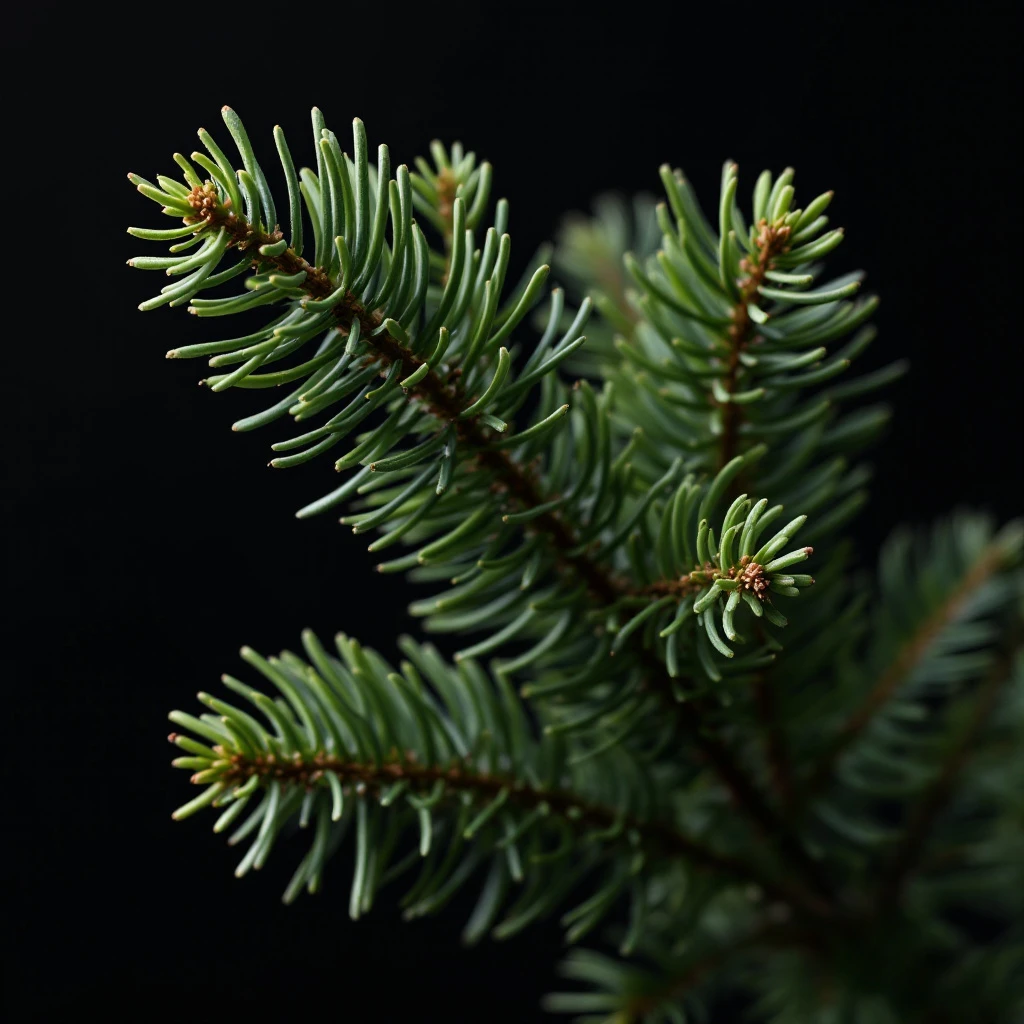
Canadian Fir brings the quiet intensity of the boreal forest into fragrance, delivering a crisp, cold-air quality with hints of citrus and warm resin that captures the landscape's untamed freshness.
Character
How it smells
The scent of cold Canadian forest air, bottled.
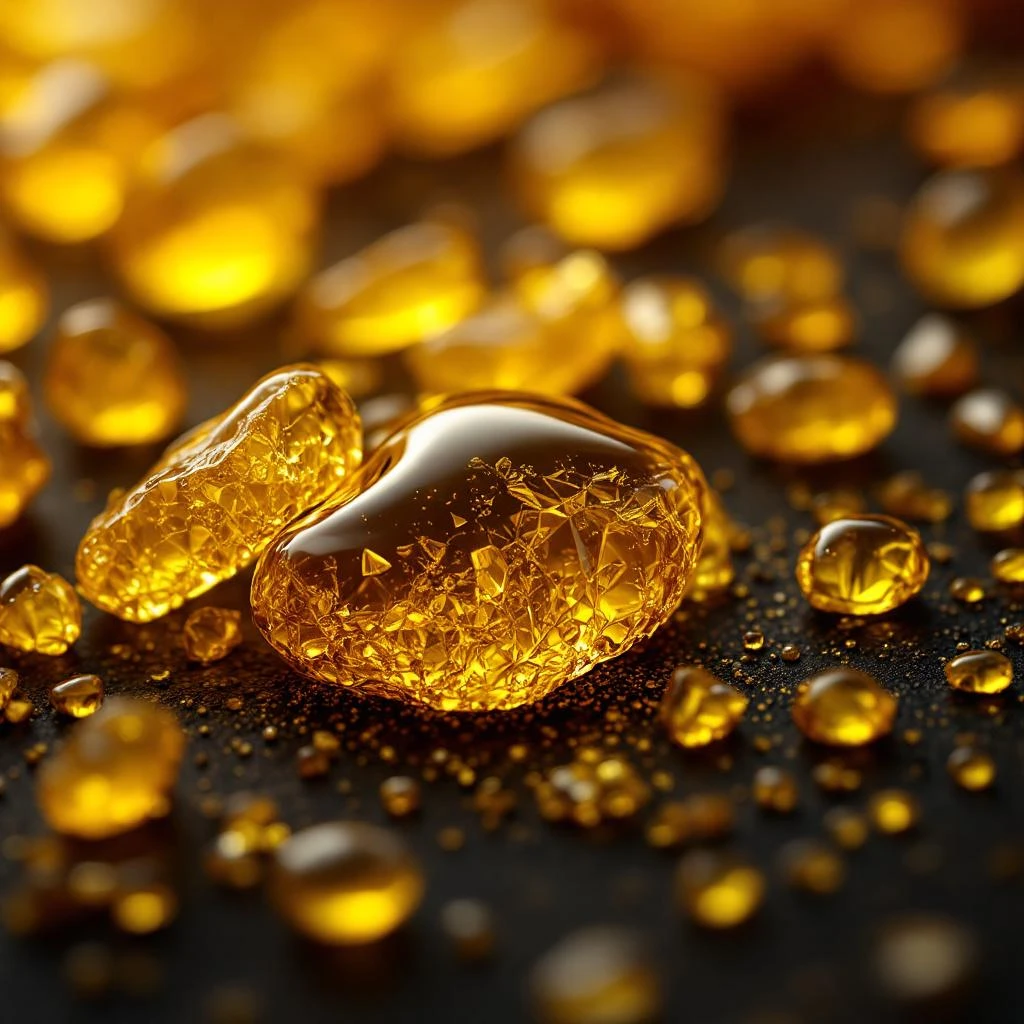
Balsam fir resin was so prized by First Nations that it served as a natural bandage, sealed with the sap to protect wounds.


Origin
Canada
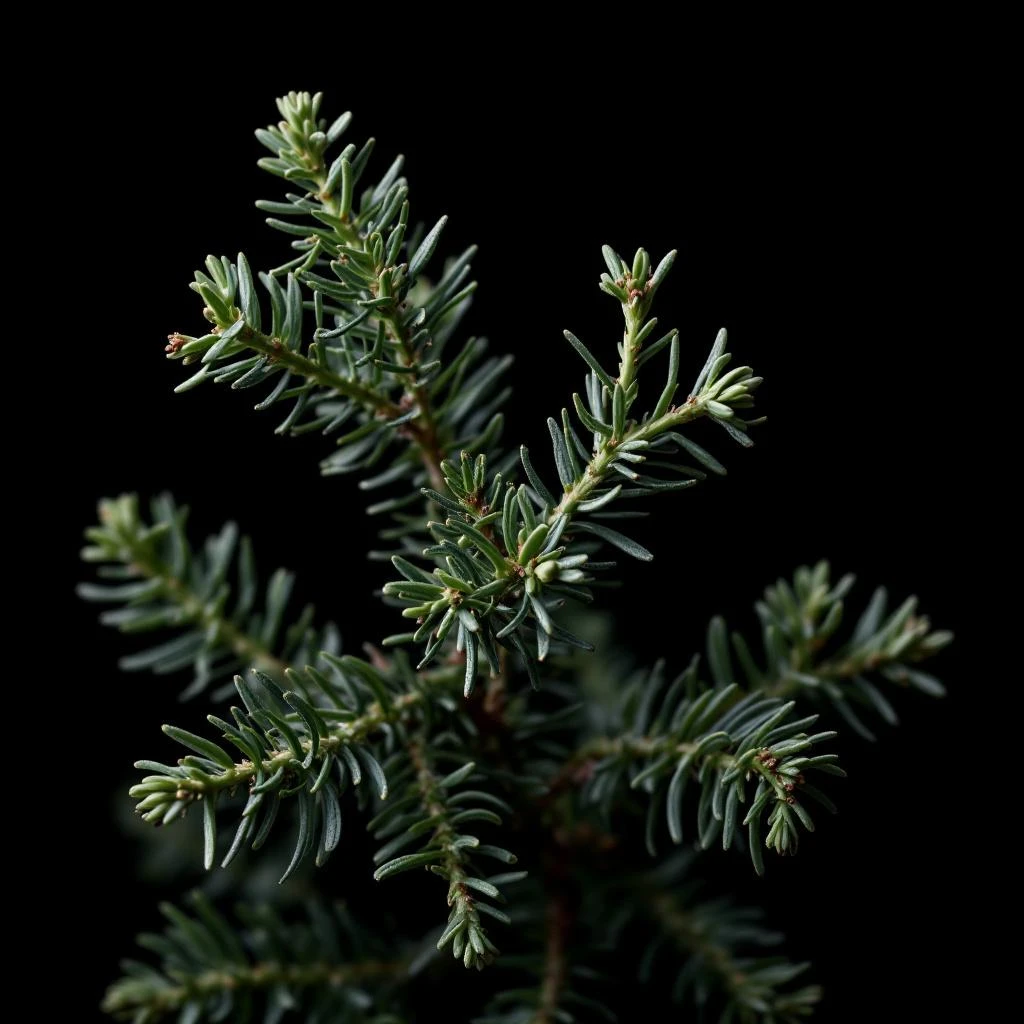
Balsam fir sustained Indigenous peoples across what is now eastern Canada for centuries. The Cree, Anishinaabe, and Innu relied on every part of the tree: the resin sealed wounds and waterproofed materials, the needles infused into remedies for respiratory ailments, and the bark provided emergency nutrition during winter scarcity. The name 'balsam' itself describes those distinctive resin blisters that form on the bark.
French-Canadian settlers absorbed this botanical knowledge and adopted the remedies into their own practices. By the early 1900s, Canadian fir entered the growing fragrance industry, prized for its authentic forest character. During the Second World War, fir oil gained pharmaceutical demand as natural antiseptics became critical.
The ingredient never faded from natural perfumery after that, remaining a reliable anchor for masculine, aromatic, and fresh fragrance families. Today, Canadian fir maintains its role as a bridge between traditional botanical use and modern fragrance creation.
Wears it best
Fragrances featuring Canadian Fir
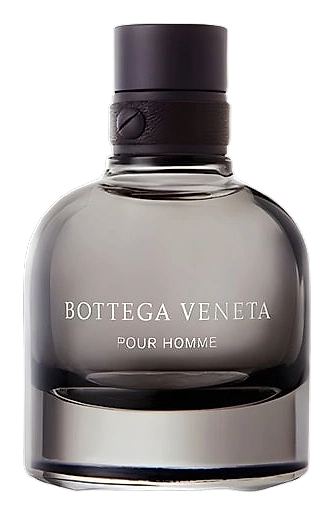
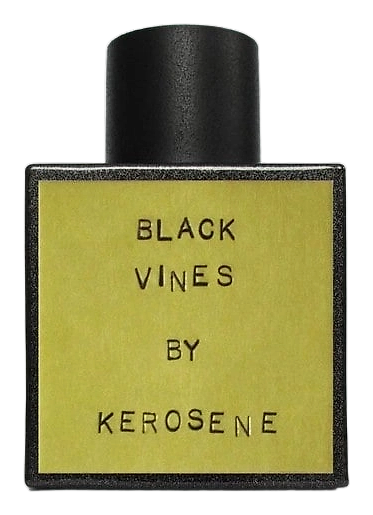
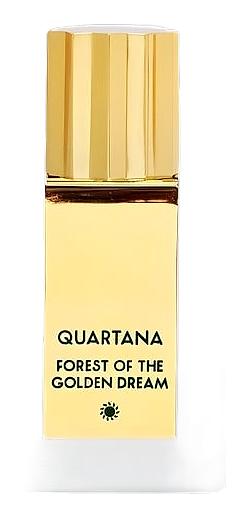
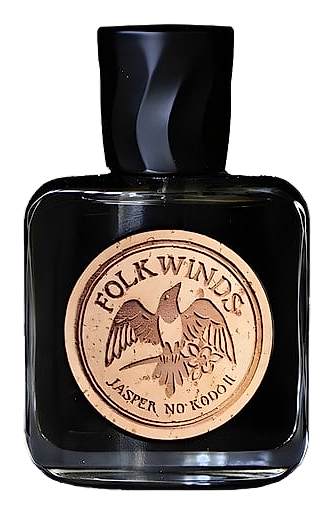
Brands
Brands known for Canadian Fir
Good to know
Questions, answered
The essentials on Canadian Fir in perfumery: how it smells, where it comes from, and how it behaves on skin.
What does Canadian Fir smell like?
Canadian Fir opens with crisp, fresh pine that evokes cold air in a winter forest. The profile includes green and citrus top notes with deeper woody, earthy, and resinous base qualities.
How is Canadian Fir essential oil extracted?
Distillers use steam distillation on fresh needles and young twigs. Pressurized steam ruptures oil glands in the plant material, carrying aromatic compounds into a condenser where they separate into essential oil and hydrosol.
Where does Canadian Fir grow?
Balsam fir thrives across eastern Canada in boreal forest regions. The trees prefer acidic, well-drained soils and tolerate cold climates at elevations between 300 and 1,500 metres.
What compounds make up Canadian Fir oil?
The oil contains bornyl acetate, camphene, and alpha-pinene as primary constituents, with trace amounts of limonene and other monoterpenes contributing to its characteristic fresh-pine character.
Which fragrance families use Canadian Fir?
Canadian Fir appears mainly in aromatic, fresh, and woody fragrance families. It suits masculine scents, fougeres, and nature-forward compositions where an authentic forest quality adds depth.
How much does Canadian Fir oil cost?
Canadian Fir oil typically ranges from $80 to $180 per kilogram for wholesale quantities. The price varies based on harvest year, distillation quality, and supplier.
Does Canadian Fir have traditional uses beyond fragrance?
First Nations used fir resin for wound sealing and waterproofing, while needle preparations treated respiratory conditions. These antimicrobial properties made the tree a practical necessity in boreal communities.
Can Canadian Fir oil be used in aromatherapy?
Canadian Fir oil provides fresh, clean atmospheric diffusion. Practitioners value its grounding qualities, though dilution and proper handling remain essential for safe use.