Campion Flower
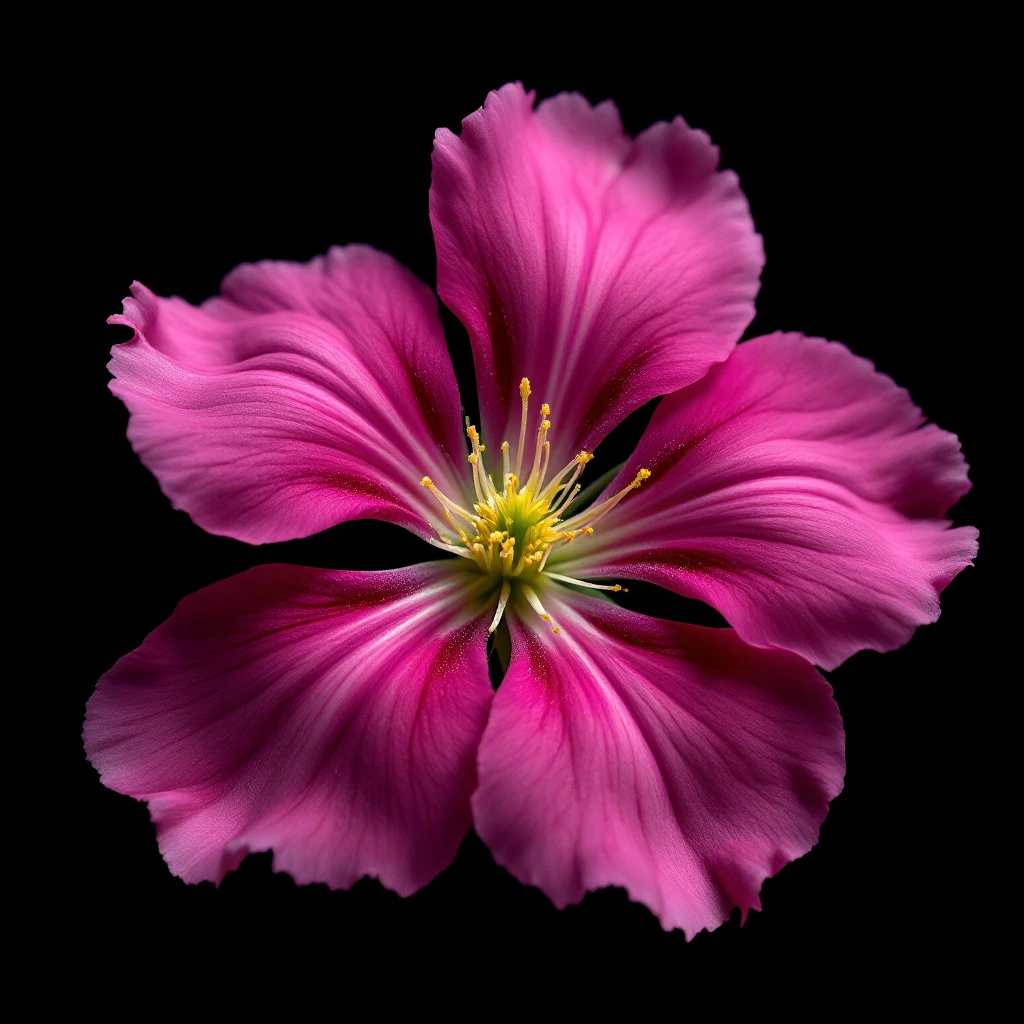
White campion flower brings a delicate, clove-tinged sweetness to fine fragrances. Its veratrole content creates a signature scent that bridges soft florals and warm spice, rarely found in commercial perfumery.
Character
How it smells
Wild European bloom with spicy-sweet floral grace
White campion releases veratrole, the same compound that gives certain cacti their distinctive night-blooming perfume, explaining its uniquely warm character.
Pairs beautifully with

Origin
Europe
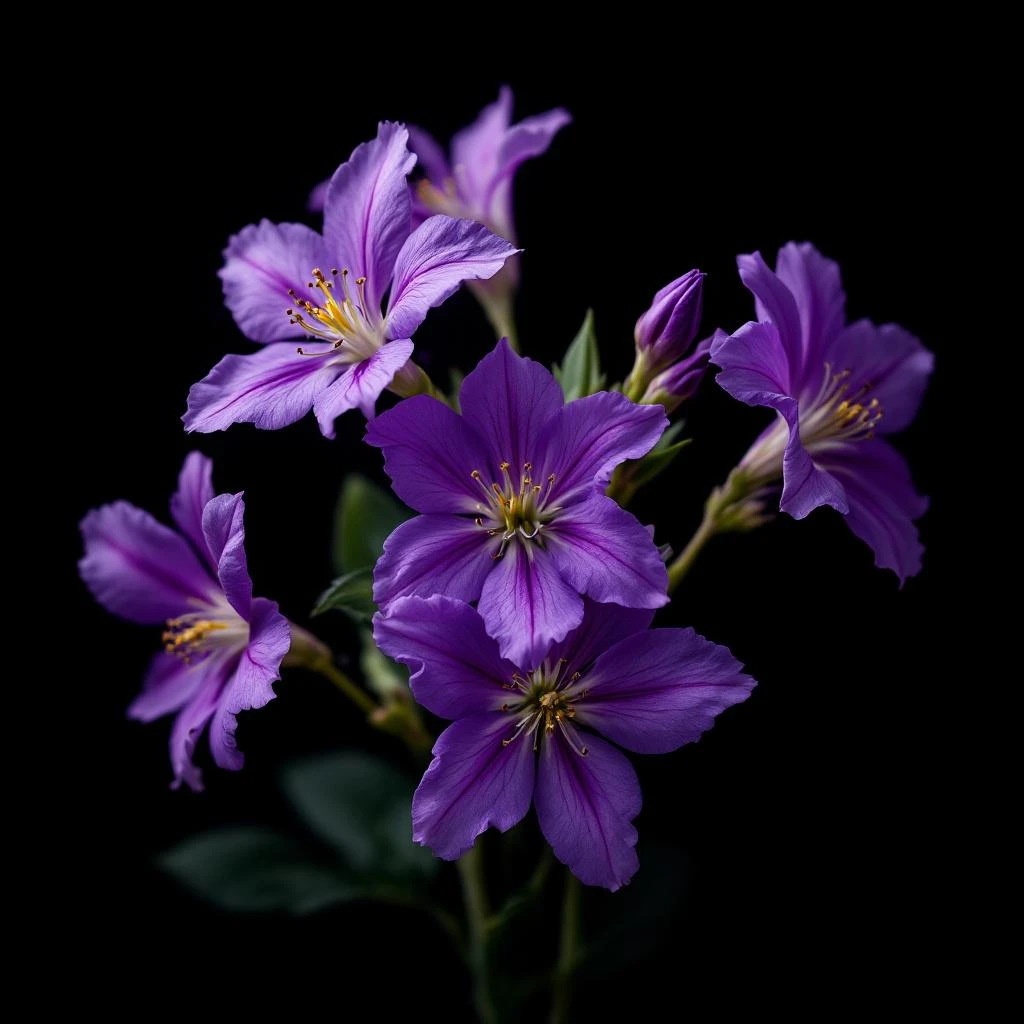
White campion has grown wild across European meadows for millennia, appearing in medieval herbal texts as both a medicinal and ornamental plant. Victorian language of flowers assigned it meanings of courtship and protection.
While ancient perfumers favored roses, jasmines, and Orientals, wildflowers like campion found their place in country sachets and pressed floral arrangements rather than concentrated perfume. The plant gained scientific attention in the 20th century when researchers identified veratrole as its primary scent compound, derived biosynthetically from the amino acid l-phenylalanine.
This discovery opened pathways for synthetic replication, though natural extraction remains preferred by artisans seeking the flower's complete aromatic profile. Today, campion appears primarily in niche fragrances that champion unusual botanical sources over mainstream florals.
Wears it best
Fragrances featuring Campion Flower
Brands
Brands known for Campion Flower
Good to know
Questions, answered
The essentials on Campion Flower in perfumery: how it smells, where it comes from, and how it behaves on skin.
What does campion flower smell like in perfume?
Campion flower offers a soft, sweet-floral scent with distinct clove-like warmth from its veratrole content. It reads as gentler than true clove with more delicate floral undertones.
Is campion flower used as a natural or synthetic ingredient in perfumery?
Both forms exist in modern perfumery. Natural solvent extraction preserves the full aromatic complexity, while synthesized veratrole replicates the signature character for cost-effective production.
When did campion flower first enter perfumery?
Campion remained largely uncultivated for perfume use until the late 20th century. Niche perfumers began featuring it prominently in the 1990s as interest in unusual botanical ingredients grew.
What extraction process captures campion flower's scent?
Solvent extraction yields the finest result. Fresh petals are immersed in food-grade solvent, which dissolves aromatic compounds before gentle evaporation produces the absolute.
Where does high-quality campion extract originate?
European wildflower populations, particularly those in France and the British Isles, produce the most aromatic material. Cultivated sources in Mediterranean regions also contribute.
What compound gives campion its characteristic scent?
Veratrole is the primary aromatic compound. It forms through biosynthetic pathways from l-phenylalanine, giving campion its warm, slightly spicy-floral signature.
How rare is campion flower as a perfume ingredient?
Campion remains uncommon in mainstream perfumery. Only dedicated natural perfumers and niche houses typically include it, making fragrances featuring the note relatively rare.
What fragrance families pair well with campion flower?
Campion complements green, chypre, and fougère compositions. Its warm floralcy pairs naturally with lavender, oakmoss, and herbaceous notes like clary sage.




