Camargue Rice
From the sun-scorched marshes of southern France, Camargue rice yields a subtle, cereal-like absolute prized by perfumers seeking warmth and authenticity. This under-the-radar ingredient brings an unexpected grounding quality to fragrance compositions.
Character
How it smells
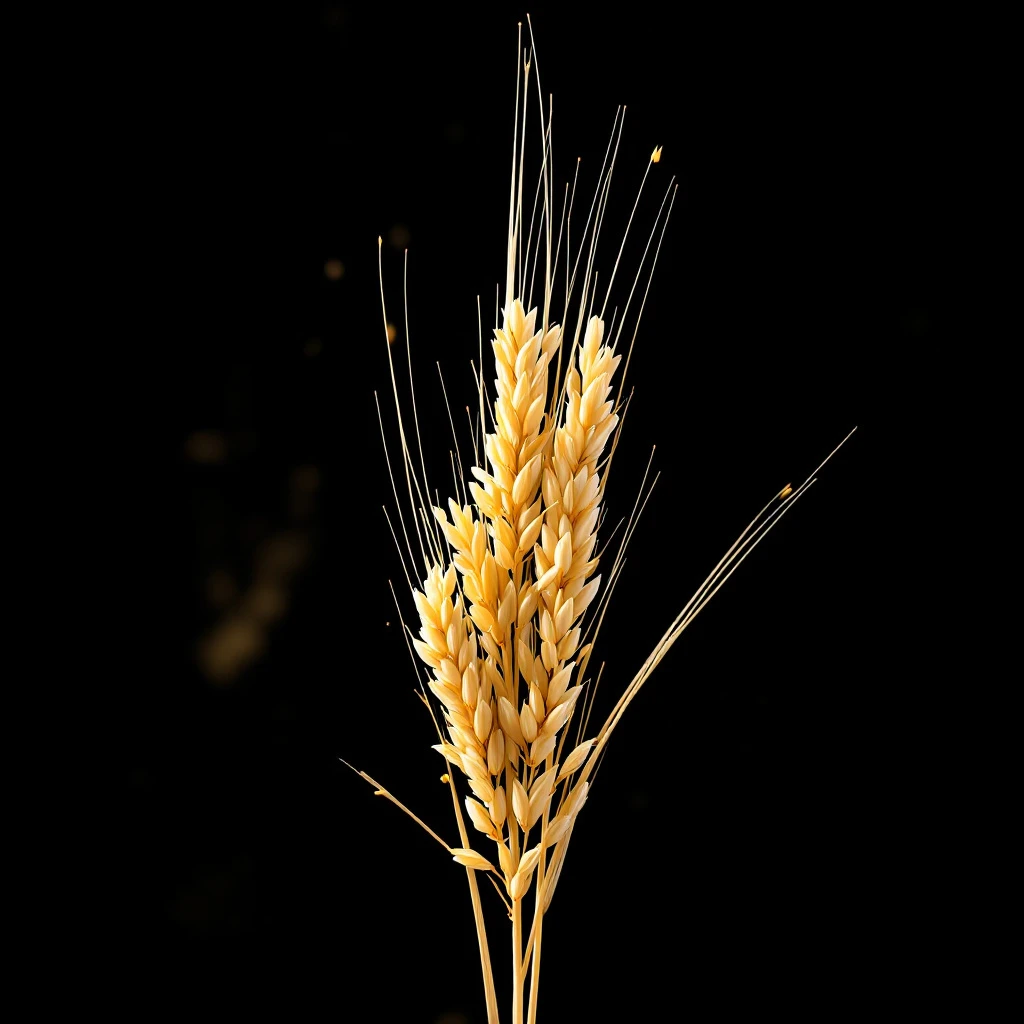
The subtle warmth of sun-drenched French marshes.
Camargue rice paddies flood and drain with the seasons, creating a shifting landscape that influences the grain's aromatic compounds and gives the final extract its distinctive character.
Pairs beautifully with



Origin
France
Rice cultivation in the Camargue dates to the 13th century when Middle Eastern traders introduced it to the Rhône River delta. However, large-scale production only took off in the 20th century after WWII, when the French government subsidized cultivation to reduce dependence on imports. Today, the Camargue remains France's primary rice-growing region, producing varieties like Taureau, Saturn, and Galoper.
While perfumers have long sourced aromatic materials from the Mediterranean basin, the region's rice entered fragrance labs more recently, as the specialty ingredient industry began exploring beyond conventional notes. The grain's connection to the land—its red clay soils, mistral winds, and seasonal flooding—imbues the extract with a sense of place that fits naturally within the naturalist perfumery tradition.
Wears it best
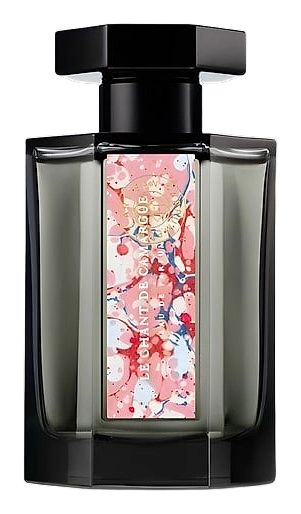
Fragrances featuring Camargue Rice
Brands
Brands known for Camargue Rice
Good to know
Questions, answered
The essentials on Camargue Rice in perfumery: how it smells, where it comes from, and how it behaves on skin.
What does Camargue rice smell like in a fragrance?
Camargue rice absolute has a warm, cereal character with subtle nutty and bread-like facets. It acts as a grounding base note that adds natural authenticity to a composition.
Is Camargue rice a natural or synthetic ingredient?
Camargue rice is a natural ingredient. Perfumers extract the aromatic compounds from rice bran using solvent extraction, yielding a natural aromatic material.
Why is Camargue rice used in perfumery?
Perfumers use it for its warm, subtle grain note that provides realistic cereal warmth as a base material. It pairs well with florals and adds organic depth to modern naturalist compositions.
How does geography affect Camargue rice's scent?
The Camargue's Mediterranean climate, mistral winds, and mineral-rich clay soils influence the grain's fatty acid composition, which in turn shapes the aromatic profile of the extract.
What extraction process creates rice absolute?
Mills separate rice bran immediately after harvesting, then producers use solvent extraction—typically with hexane or supercritical CO2—to isolate the aromatic compounds from the oil-rich bran layer.
Which fragrance families use Camargue rice?
Rice absolute appears mainly in clean, skin-like, and skin-to-clothing accord fragrances. It works well in modern florals, woody compositions, and minimalist designs that aim for a natural aesthetic.
Does Camargue rice have historical use in perfumery?
Unlike rose or jasmine, rice has only recently entered fine perfumery. The specialty ingredient movement of the past two decades brought renewed attention to grain-based aromatics from specific origins.
Can rice itself replace Camargue rice extract in fragrance?
No. Raw rice grains do not yield their aromatic compounds without extraction. The solvent extraction process concentrates the subtle volatile molecules present in the bran, creating a usable perfumery material.