Calabrian chili
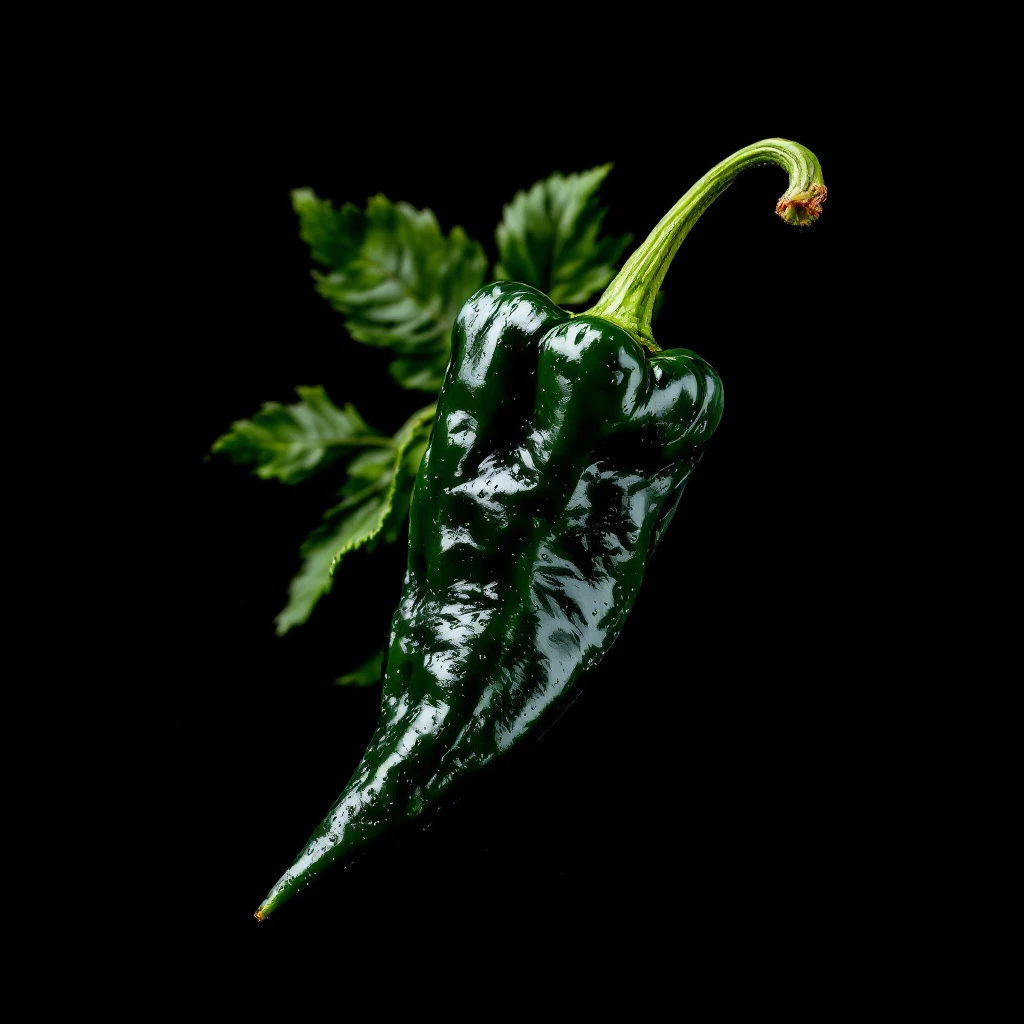
A searing, electric presence in perfumery, Calabrian chili delivers immediate heat through sharp, pungent辣 compounds that cut across a fragrance like a flash of flame. Rare in fine fragrance, it electrifies composition with visceral warmth that the skin actually feels.
Character
How it smells
The heat you smell on your skin — not through temperature, but through chemistry.
Chili peppers produce capsaicin not for flavor, but as a defense compound to discourage mammals from eating their seeds. Birds remain unaffected, which is exactly how the plant prefers to spread.



Origin
Italy
Chili peppers arrived in Calabria via Spanish trade routes in the 16th century, rapidly adapting to the region's volcanic soils and intense Mediterranean sun. Farmers in the Aspromonte highlands and the Crotone corridor began cultivating small, fierce pods — diavolilli and peperoncino piccante — that developed extraordinary aromatic concentration alongside their heat. The Calabrese learned to hang strings of peppers in dry mountain air, sun-curing them to concentrate both pungency and scent.
By the 19th century, chili had become embedded in the region's culinary identity, but its aromatic potential took longer to cross into perfumery. The global fragrance industry's move toward ingredient transparency and regional sourcing opened space for Calabrian chili as a statement ingredient — a way to anchor a composition in a specific, extreme geography. The region's reputation for producing peppers with both ferocious heat and vivid aromatic character makes it a natural source for perfumers seeking authenticity.
Today Calabria supplies a limited but consistent stream of chili-derived aromatic materials, valued for their clean, sharp profile rather than the muddled heat of commodity pepper extracts.
Wears it best
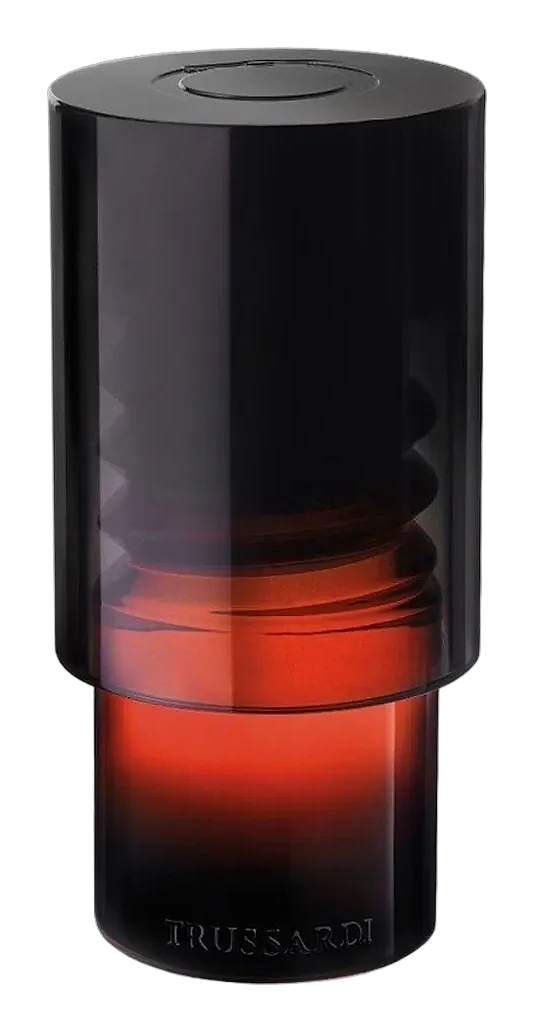
Fragrances featuring Calabrian chili
Brands
Brands known for Calabrian chili
Good to know
Questions, answered
The essentials on Calabrian chili in perfumery: how it smells, where it comes from, and how it behaves on skin.
What does Calabrian chili smell like in fragrance?
Calabrian chili registers as sharp, almost electric warmth rather than a traditional scent. Perfumery applications emphasize the green-spice edge and volatile heat, not the cooked or smoky notes you find in dried culinary peppers.
Is actual chili pepper used in perfumery, or a synthetic alternative?
Both exist. Natural extracts come from dried Calabrian pods via CO2 or solvent extraction. Synthetic capsaicin analogs replicate the sensation of heat without using plant material. Fine fragrance houses typically prefer natural sourcing for ingredient storytelling.
How much chili extract goes into a fragrance?
Very little. Capsaicin compounds register intensely on skin, so formulation ratios stay below 0.1% in most compositions. A single drop can shift the thermal character of an entire fragrance.
What fragrance families use Calabrian chili?
The ingredient appears most often in masculine and unisex compositions — particularly orientals, leather accords, and spicy florals. The heat cuts through warm base materials like oud, leather, and vanilla.
Why Calabria specifically for chili in perfumery?
Calabria's volcanic soils and intense sun produce peppers with a higher concentration of capsaicin and aromatic compounds than most other growing regions. The region's traditional sun-drying process further concentrates these materials.
Does Calabrian chili smell like culinary chili?
Partially. The green, fresh-cut pepper note translates well, but perfumers strip away the cooked, smoky, and fatty notes that emerge during cooking. The result is more immediate and chemically clean.
How does capsaicin function chemically in perfumery?
Capsaicin binds to TRPV1 receptors in the skin, creating a genuine sensation of heat. This is not olfactory — it is physical. The effect adds dimensionality that purely aromatic ingredients cannot achieve.
Is Calabrian chili a common fragrance ingredient?
No. It remains rare in fine perfumery, appearing in perhaps a few dozen commercial fragrances globally. Its intensity and formulation difficulty make it a signature move rather than a workhorse material.