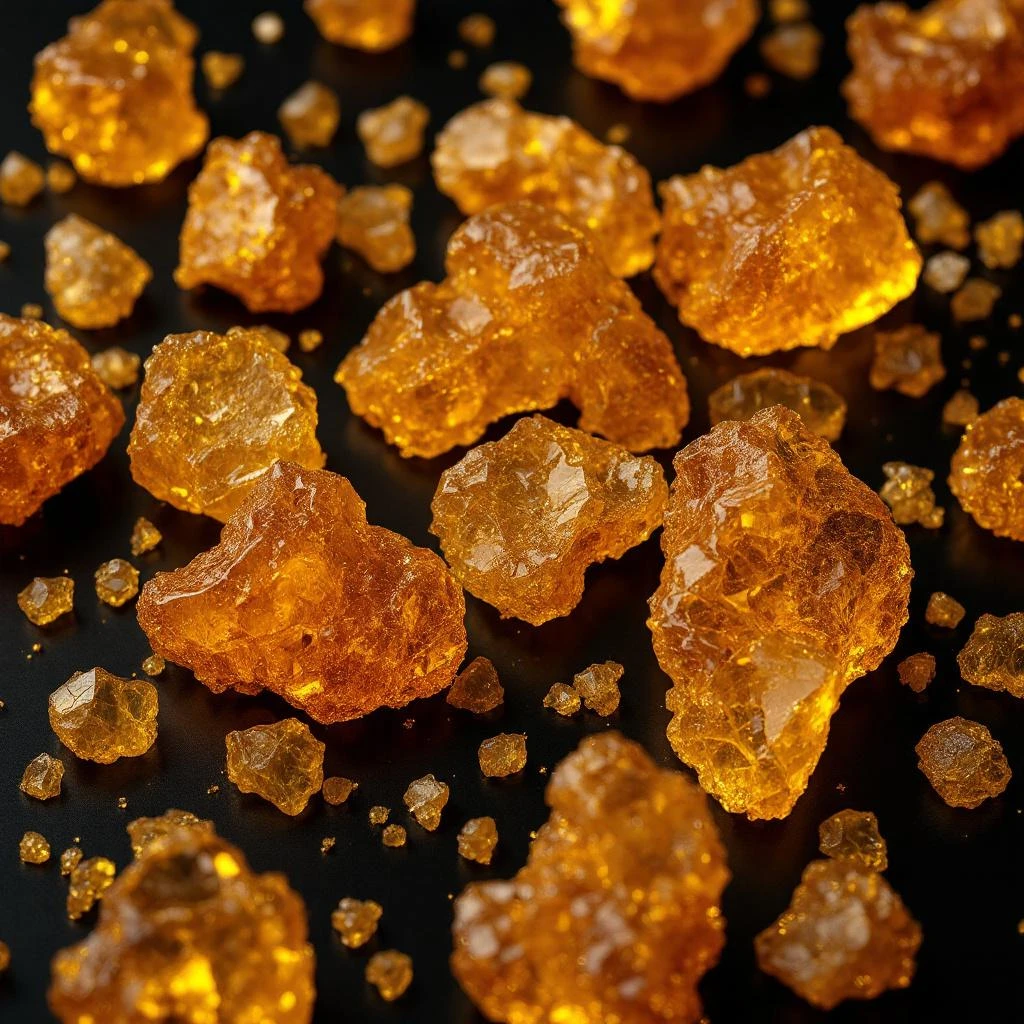
Bursera
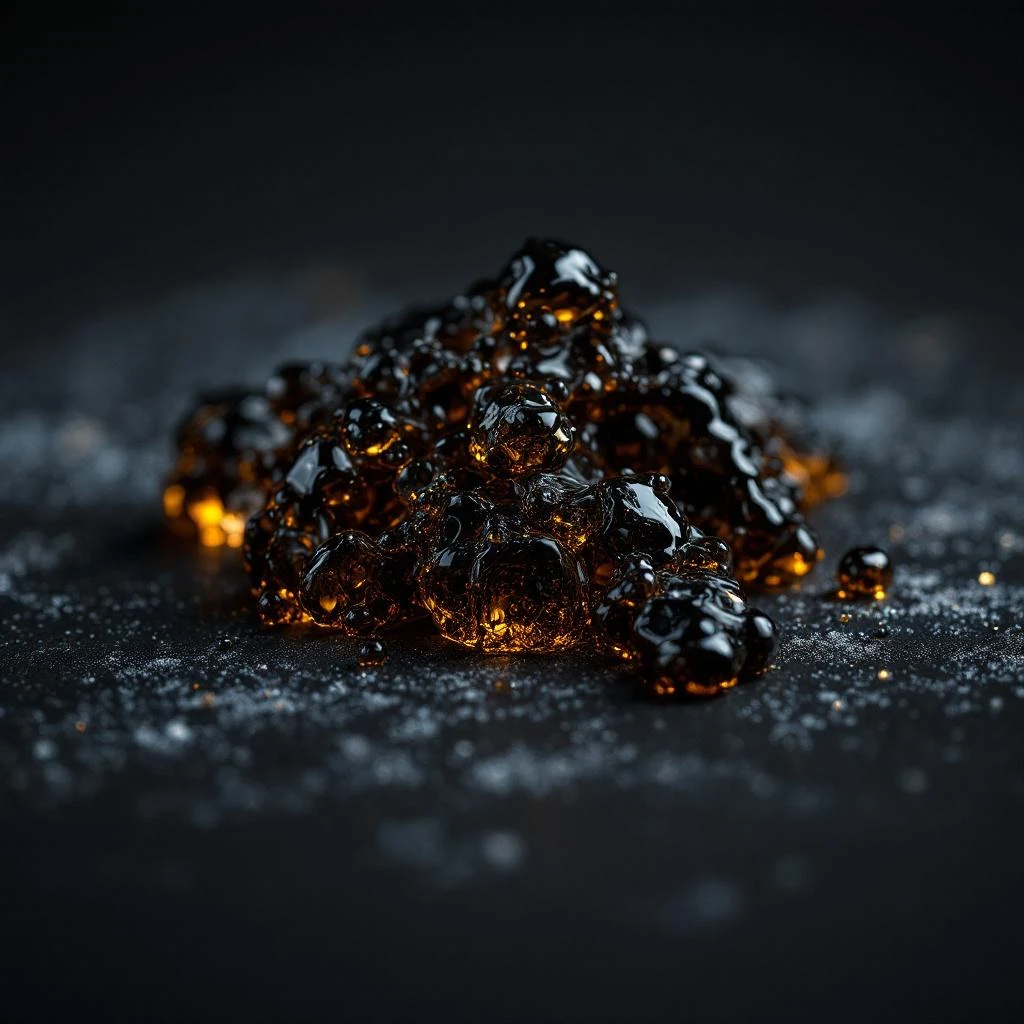
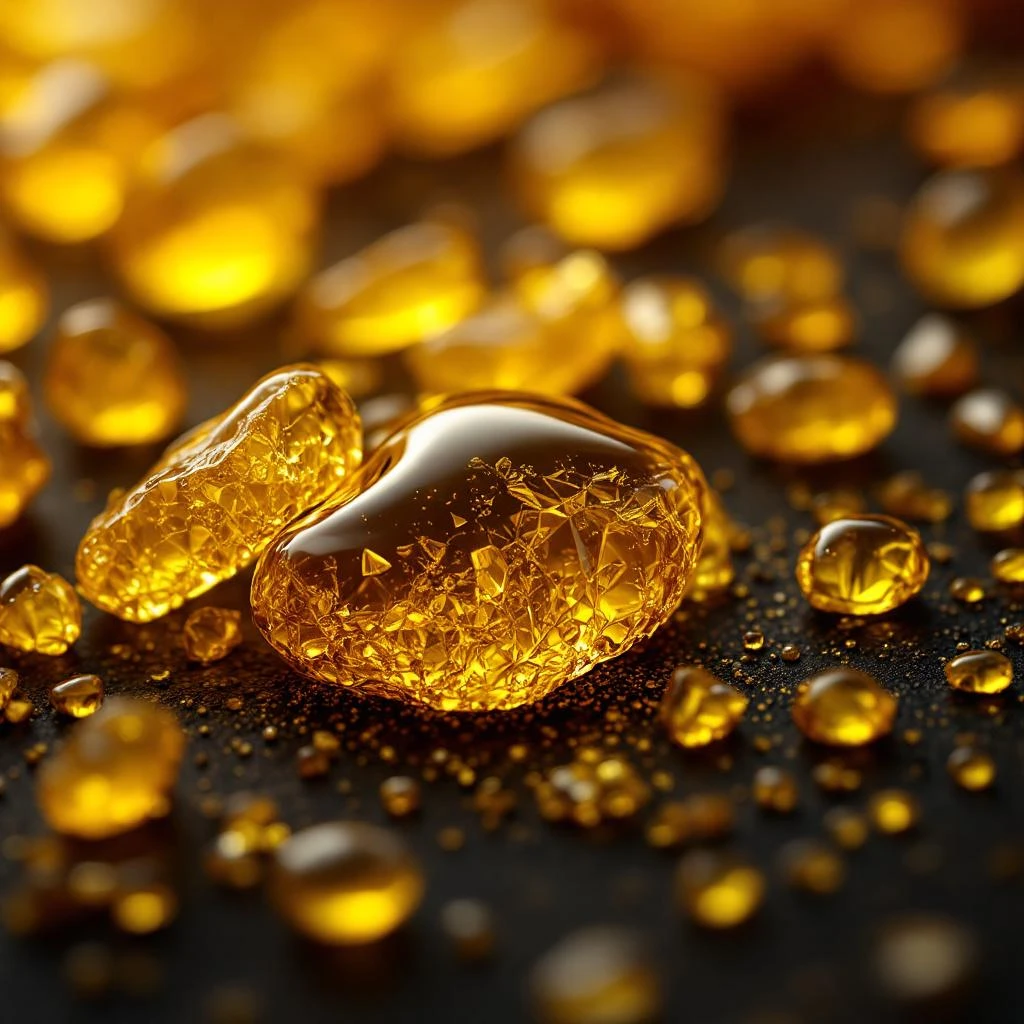
Bursera resin, known as copal, hails from desert trees prized since antiquity for their aromatic gum. This sacred ingredient bridges ancient ritual and modern perfumery as a fixative and warm, balsamic heart note.
Character
How it smells
Ancient copal resin from desert trees
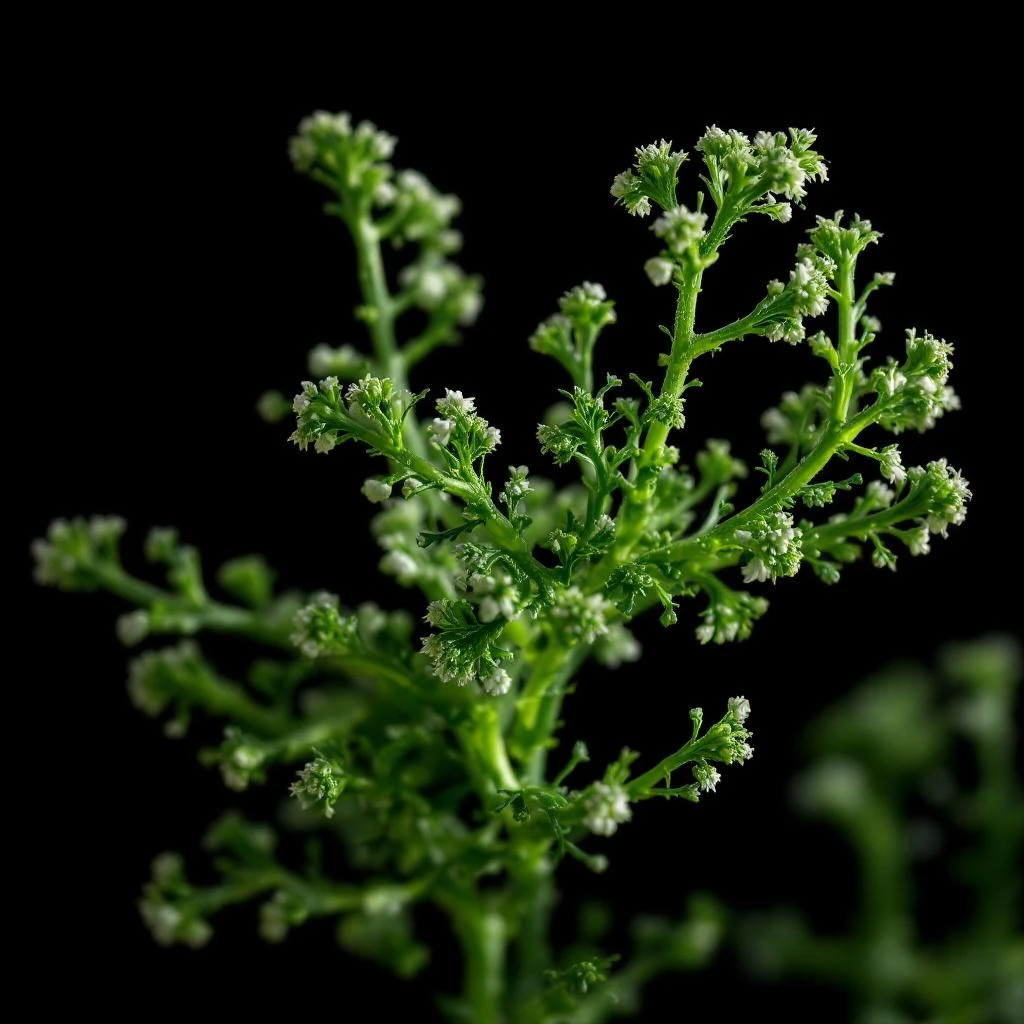
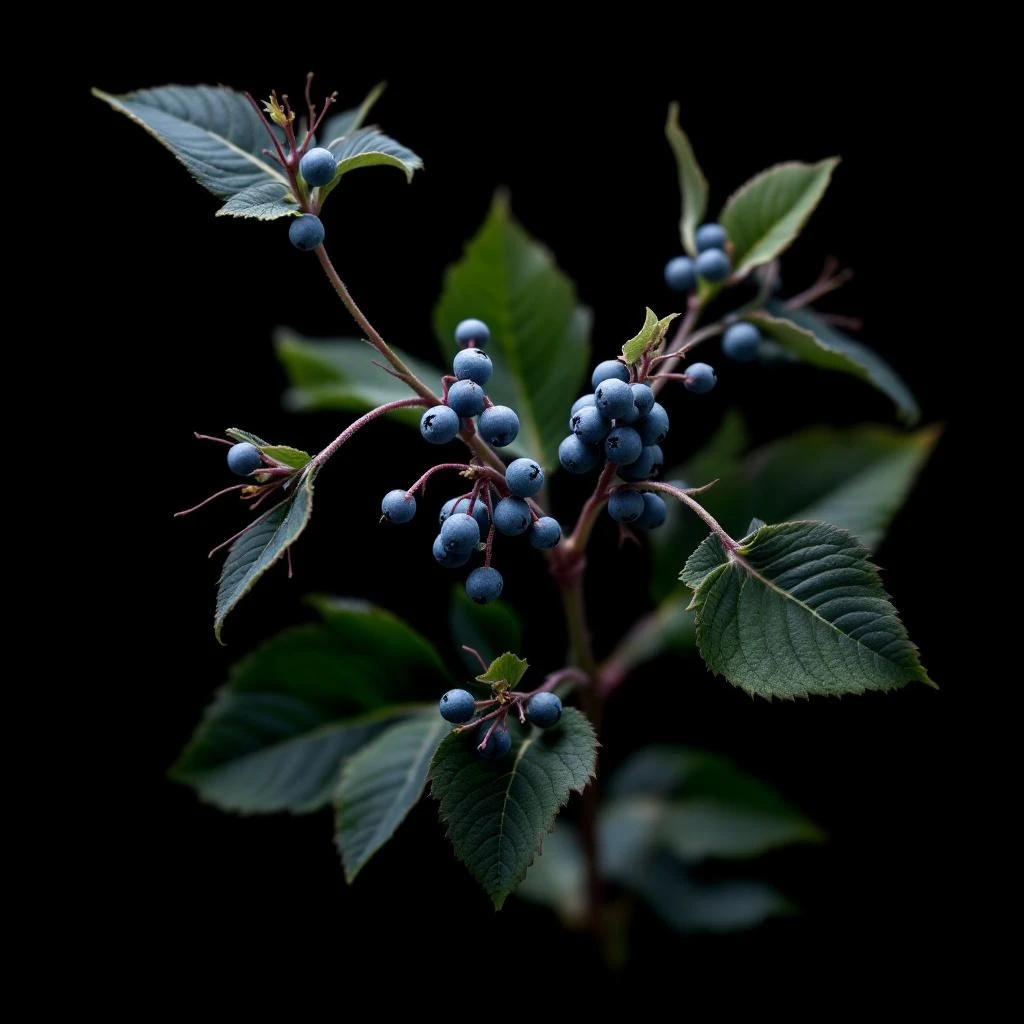
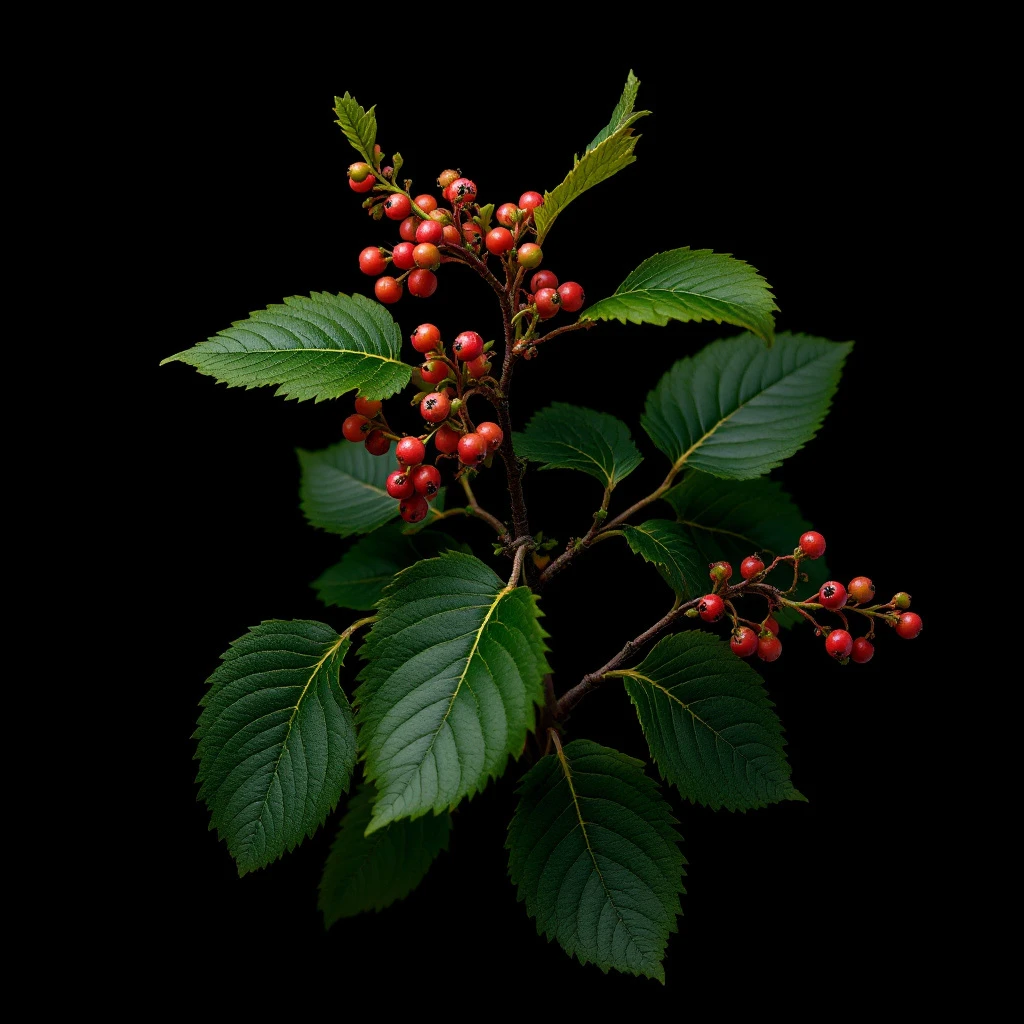
Bursera microphylla stores water in its swollen trunk, earning it the nickname elephant tree.
Pairs beautifully with

Origin
Mexico
Bursera species grow across Mexico's deserts and have served Mesoamerican cultures for over two millennia. Aztecs and Maya burned bursera resin in ceremonial incense to carry prayers skyward and purify sacred spaces. The word copal derives from the Nahuatl term copalli, meaning incense.
Spanish colonial documents from the 1500s describe indigenous traders exchanging copal alongside jade and feathers. Franciscan missionary Fray Bernardino de Sahagun documented Aztec priests applying bursera resin during healing rituals. Pre-Columbian copal nodules have surfaced in archaeological digs, sometimes preserving traces of the original scent after centuries underground.
Today, Mexican artisans still produce traditional copal incense alongside the ingredient's niche role in natural perfumery, particularly in fragrances seeking resinous warmth with spiritual undertones.
Wears it best
Fragrances featuring Bursera
Brands
Brands known for Bursera
Good to know
Questions, answered
The essentials on Bursera in perfumery: how it smells, where it comes from, and how it behaves on skin.
What does bursera smell like in perfume?
Bursera resin delivers warm, balsamic warmth with hints of pine and faint citrus. It functions as a fixative that slows evaporation of lighter top notes while adding resinous depth to fragrance heart phases.
Is bursera the same as frankincense?
No. Both are aromatic resins, but frankincense comes from Boswellia trees native to the Horn of Africa and the Arabian Peninsula. Bursera grows in Mexican and Southwestern American deserts with a distinct aromatic profile.
How long has bursera been used?
Archaeological evidence places bursera resin use in Mesoamerica at over 2,000 years. Aztec and Maya cultures reserved it for sacred ceremonies, and Spanish colonial records from the 1500s document its trade.
What is copal in perfumery?
Copal is the common name for bursera resin. The Nahuatl word copalli simply means incense. Modern perfumers use copal absolute to add warm, resinous character to fragrance compositions.
Can bursera grow anywhere?
Bursera microphylla thrives in arid conditions across northwestern Mexico and the Sonoran Desert. The trees tolerate extreme heat and store water in their swollen trunks, which can reach remarkable sizes.
Is bursera sustainably harvested?
Responsible sourcing involves making shallow incisions that allow the tree to heal. Wild harvesting remains common, though cultivation efforts are increasing to meet perfumery demand more sustainably.
What type of extraction produces bursera absolute?
Solvent extraction yields bursera absolute, the form most perfumers use. The process dissolves aromatic compounds from the crude resin using food-grade solvents, then removes the solvent to produce a concentrated absolute.
Which fragrance families use bursera?
Bursera appears primarily in oriental and woody fragrance families. Perfumers pair it with other resins like benzoin and labdanum, or with warm woods such as sandalwood and cedar, for layered depth.