Burnt vanilla
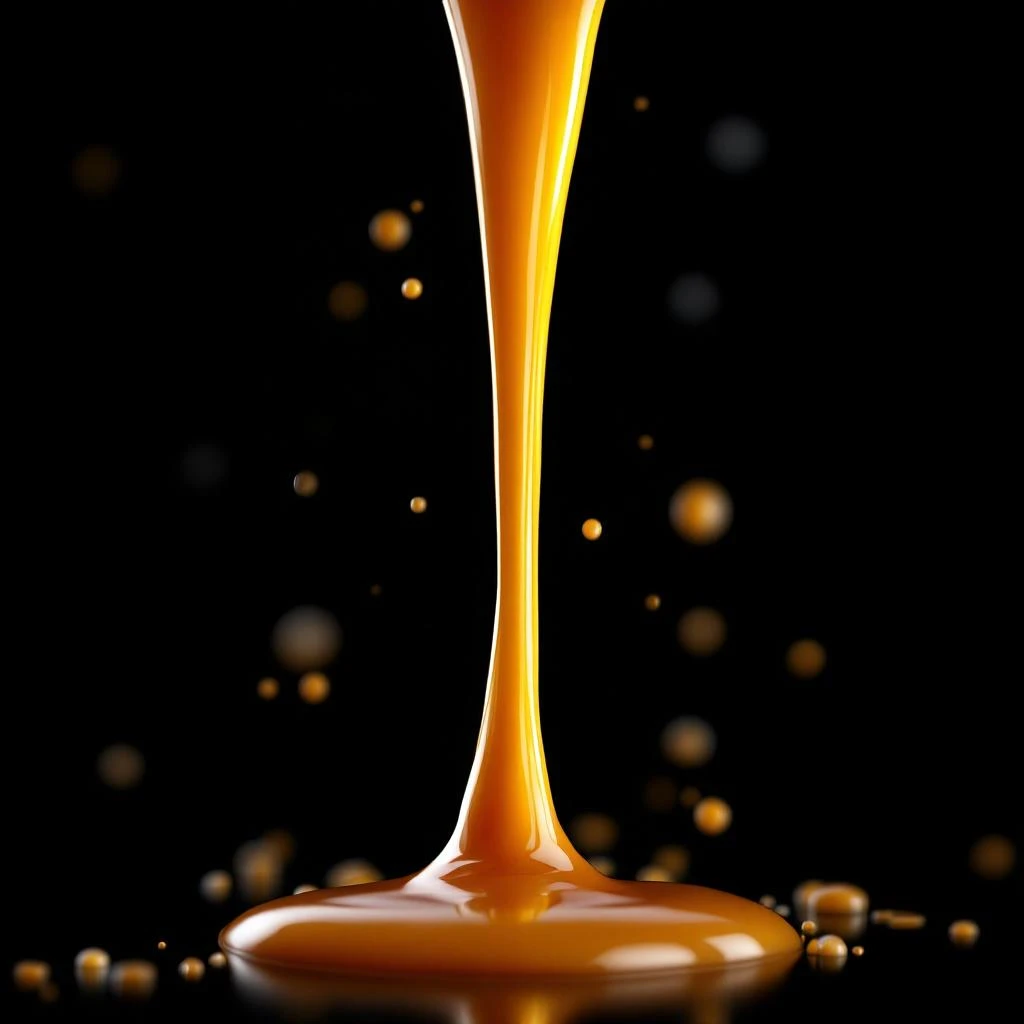
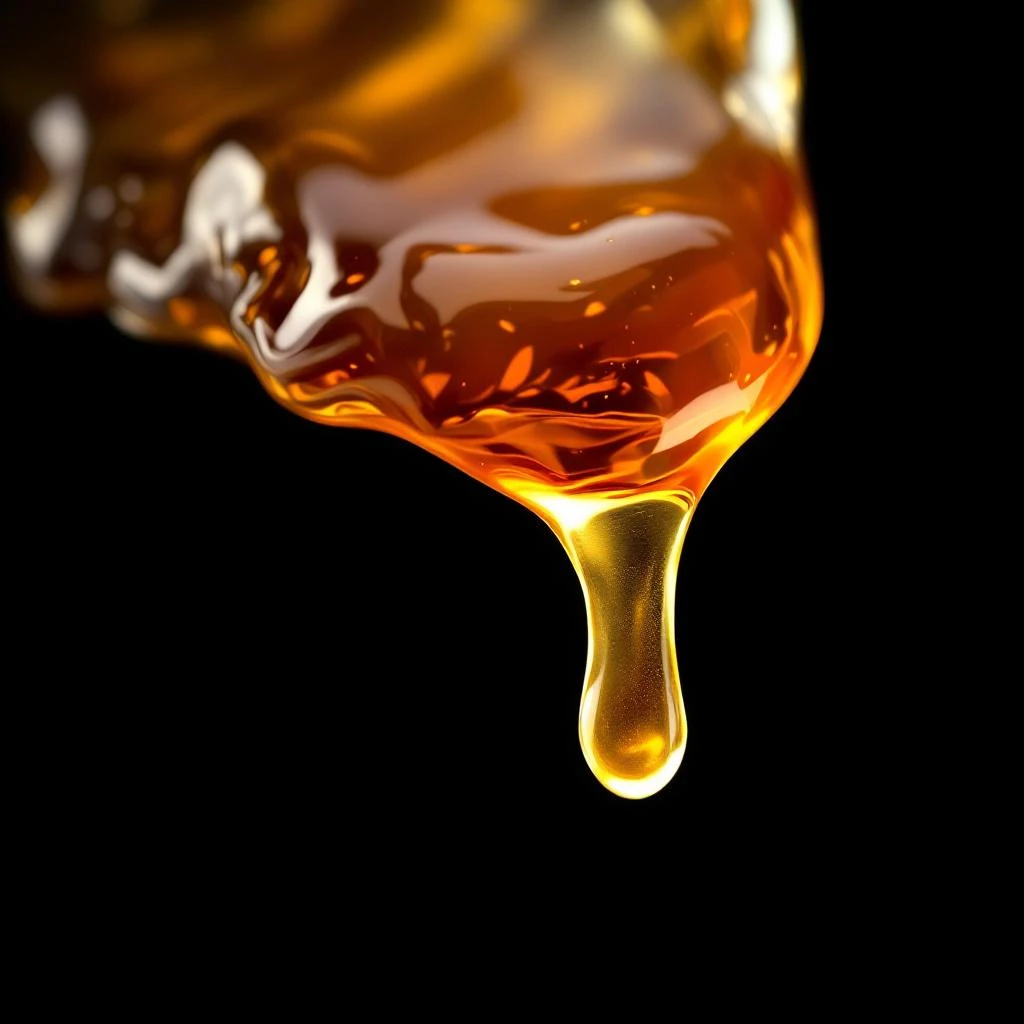
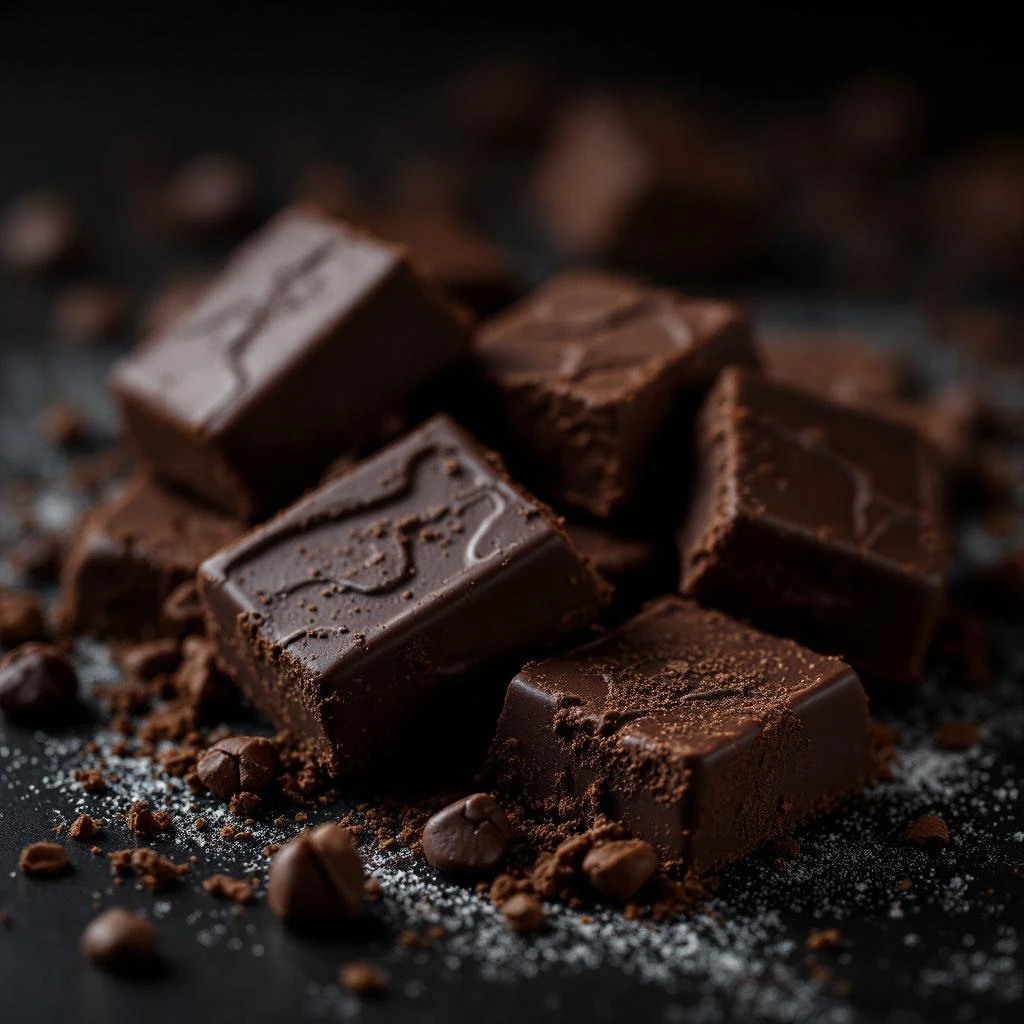
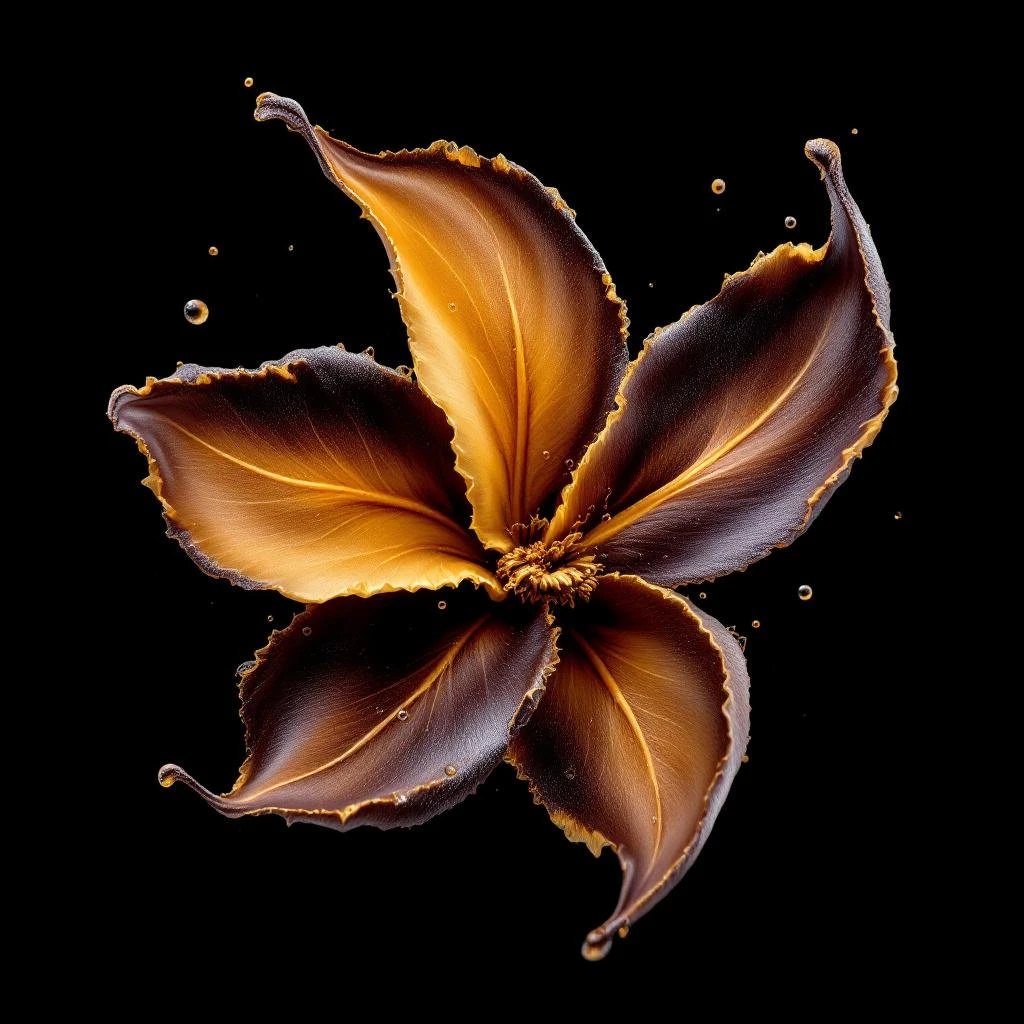
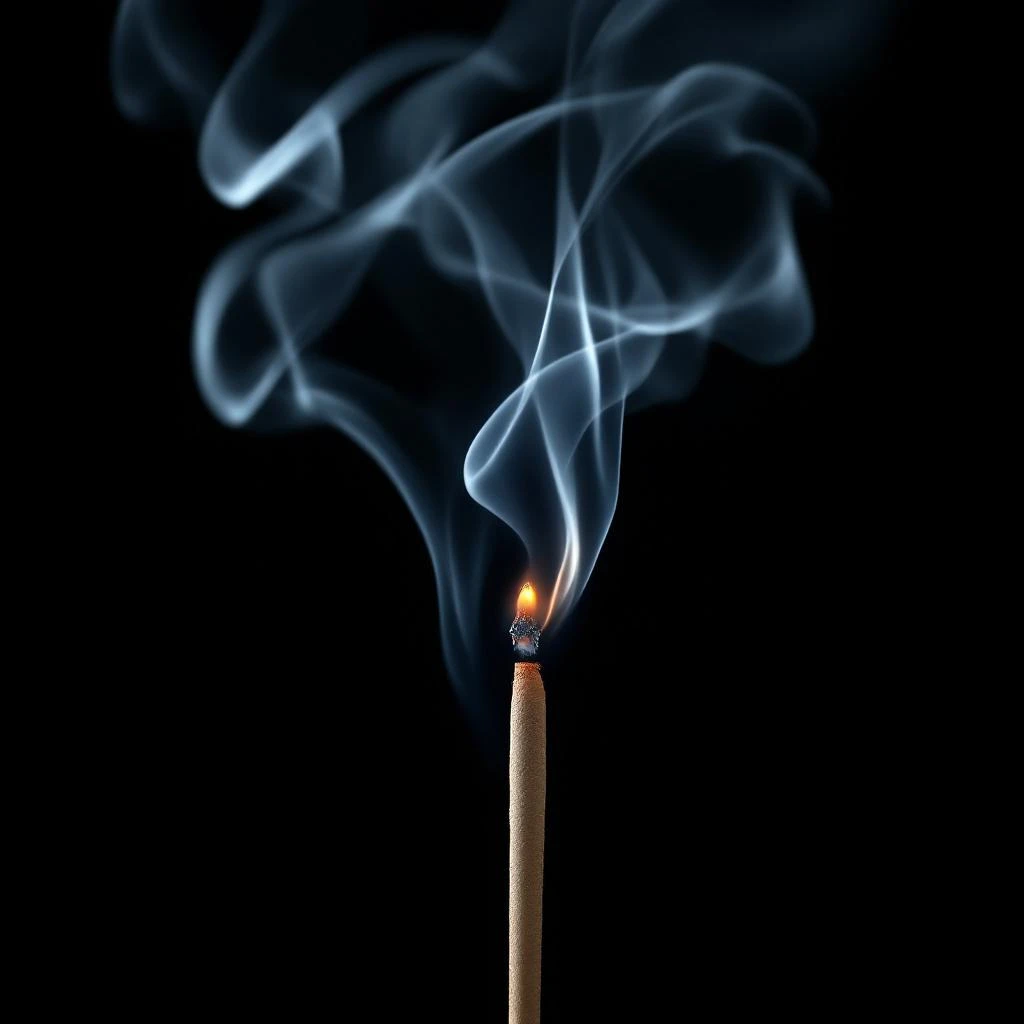
Burnt vanilla offers a smoky, caramel-warmed depth, marrying sweet bean richness with a subtle char that adds intrigue to modern compositions. Its lingering warmth bridges gourmand and avant‑garde palettes.
Character
How it smells
Smoky caramel whispers from the heart of vanilla.
When vanilla beans are gently torched before extraction, the resulting oleoresin releases over 250 volatile compounds, many of which mimic the aroma of toasted sugar and charred wood.
Pairs beautifully with


Origin
Madagascar
Vanilla earned the nickname “black gold” among early perfumers for its rarity and deep, sweet scent. Indigenous peoples of Mexico first fermented the pods to create a fragrant paste, which the Spanish missionaries introduced to Europe in the 16th century.
By the 1800s, the French botanist Edmond Albius discovered a hand‑polinated method that tripled yields on Réunion, making vanilla a staple of luxury perfumes. In the late 19th century, chemists isolated vanillin, allowing mass production, yet natural extracts remained prized for their complexity.
The concept of “burnt” vanilla emerged in the 1970s when avant‑garde perfumers experimented with heat‑treated extracts to add a smoky nuance reminiscent of incense burned in ancient temples. Today, burnt vanilla bridges traditional gourmand warmth with a modern, slightly charred character, echoing the spice routes that first carried the bean across oceans.
Wears it best
Fragrances featuring Burnt vanilla
Brands
Brands known for Burnt vanilla
Good to know
Questions, answered
The essentials on Burnt vanilla in perfumery: how it smells, where it comes from, and how it behaves on skin.
How does burnt vanilla differ from regular vanilla?
Burnt vanilla adds a smoky, caramelized nuance to the classic sweet bean aroma. The nuance appears after the oleoresin undergoes a controlled heat step at about 120 °C for half an hour, which generates pyrazine and furan compounds not present in raw extracts.
What raw material provides burnt vanilla?
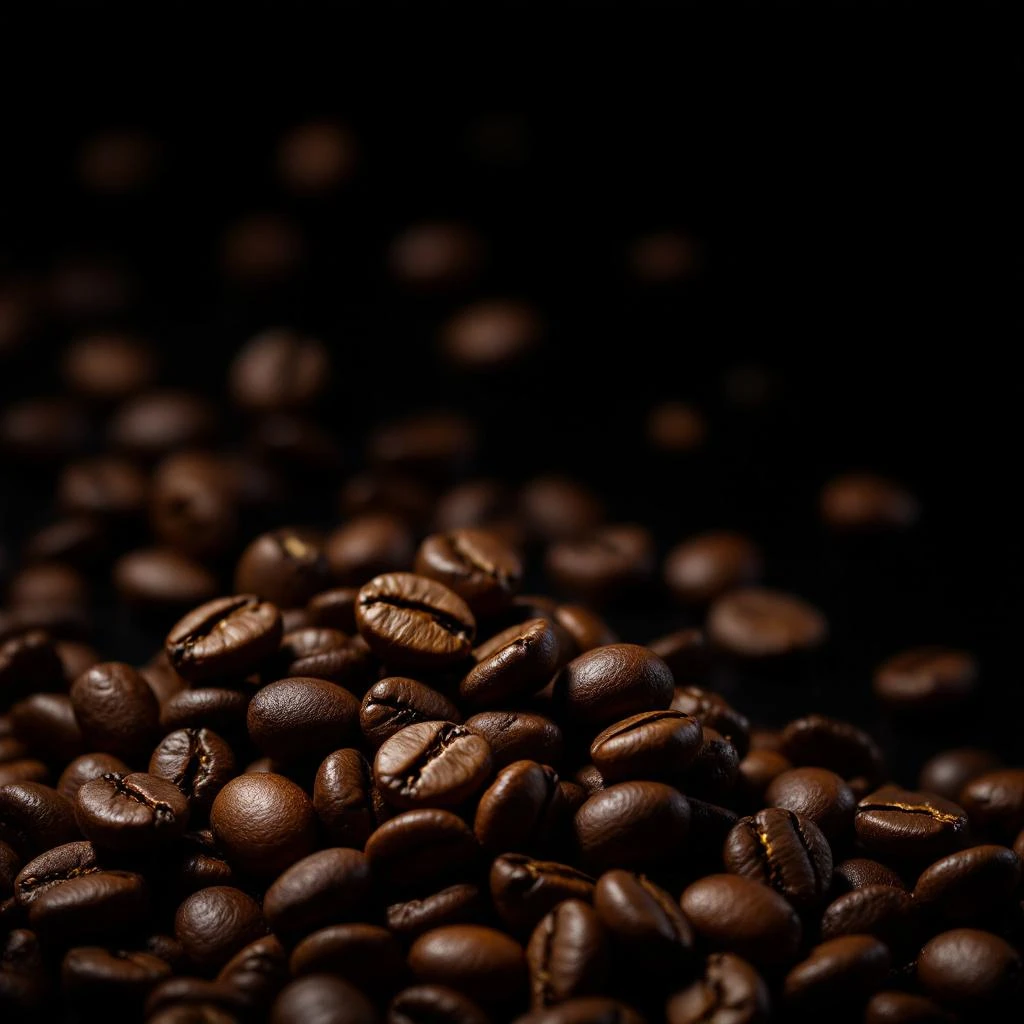
Burnt vanilla originates from dried, cured vanilla beans harvested in Madagascar’s Sava region. The beans are cured for 8–12 weeks, then macerated in ethanol before the heat treatment. The source beans contain over 250 aromatic compounds, giving the final note its depth.
Is burnt vanilla natural or synthetic?
Burnt vanilla can be produced from natural vanilla oleoresin that receives a brief heat exposure, keeping the ingredient natural. Some manufacturers also create a synthetic analogue using vanillin and controlled pyrolysis, which mimics the smoky profile. The natural route accounts for roughly 70 % of market use.
What scent families pair well with burnt vanilla?
Burnt vanilla complements woody, amber, and spice families, enhancing depth without overwhelming sweetness. In a blend, a 15 % inclusion of burnt vanilla can balance a cedar base while highlighting cinnamon’s spice. The smoky edge bridges the gap between warm and cool notes.
How stable is burnt vanilla in perfume formulations?
Burnt vanilla remains stable for up to 24 months when stored in amber glass away from direct light. Laboratory tests show less than 5 % loss of key pyrazine markers after six months at 25 °C. Proper packaging preserves its smoky character.
Can burnt vanilla be used in natural fragrance certifications?
Yes, when derived from ethically sourced vanilla beans and processed without synthetic additives, burnt vanilla qualifies for natural standards such as IFRA’s natural category. Certification bodies require that the heat step does not exceed 130 °C, a limit met by most producers.
What is the typical usage rate of burnt vanilla in a perfume?
Formulators usually add burnt vanilla at 5–10 % of the total fragrance oil, depending on the desired intensity. A 7 % level provides a noticeable smoky accent while preserving the underlying sweet vanilla base.
Does burnt vanilla affect skin sensitivity?
Burnt vanilla shows low irritation potential, with patch‑test studies reporting less than 1 % sensitization among volunteers. Its natural origin and mild concentration keep it safe for most skin types when used within recommended limits.