Bubinga wood
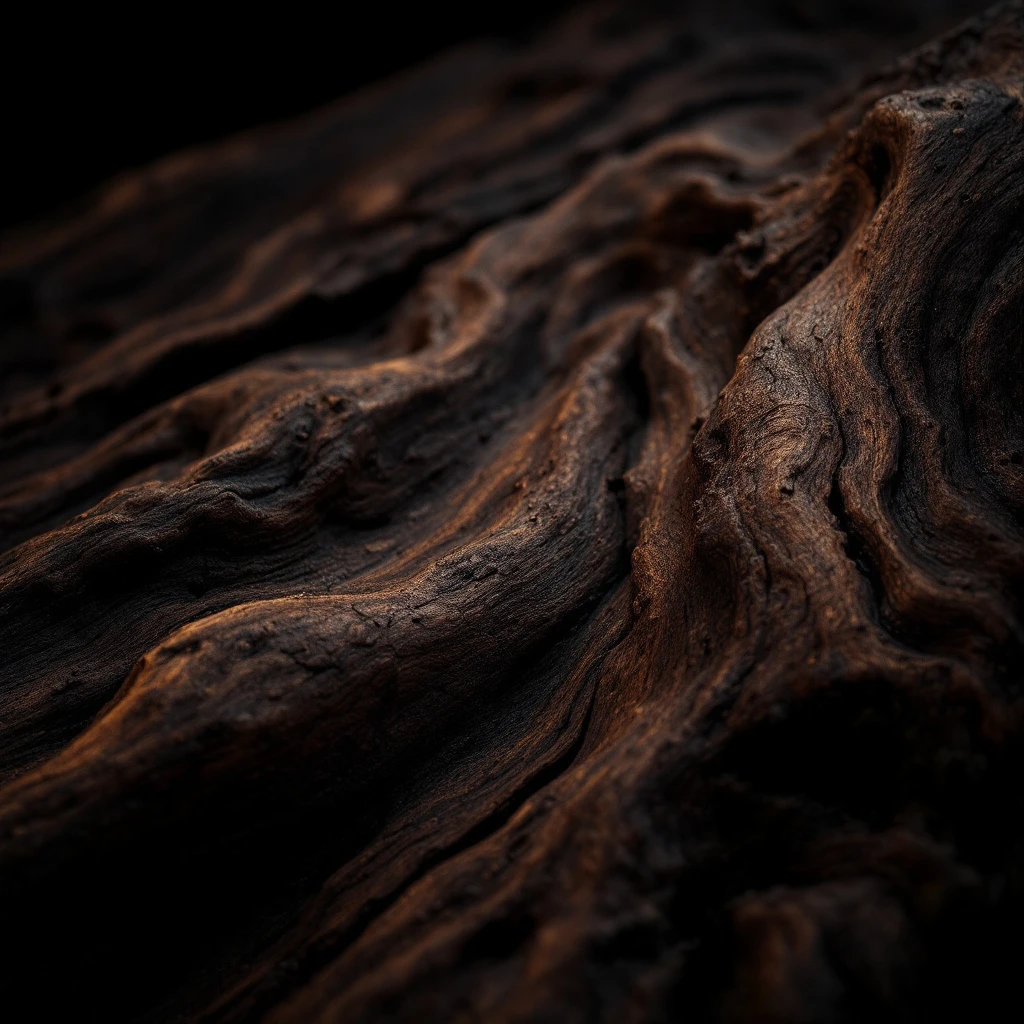
Bubinga is a dense African hardwood prized in fine woodworking for its striking rose-colored grain. The essential oil extracted from its heartwood delivers a warm, subtly sweet-woody aroma that blends smoothly with Oriental and ambré base notes in perfumery.
Character
How it smells
Warm African hardwood with subtly sweet undertones.
Despite its name, Bubinga is not a true rosewood but belongs to the Caesalpinioideae subfamily—a botanical distinction that gives it a unique aromatic profile.



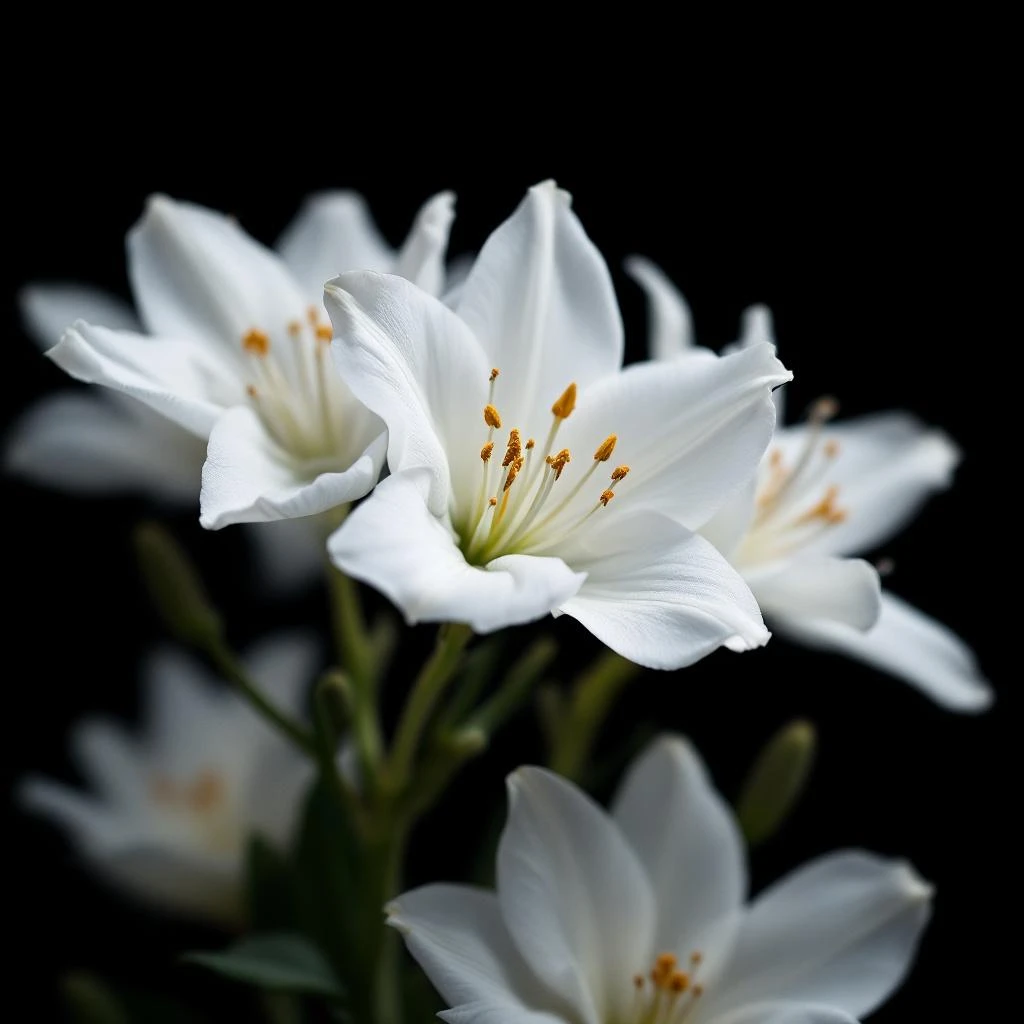
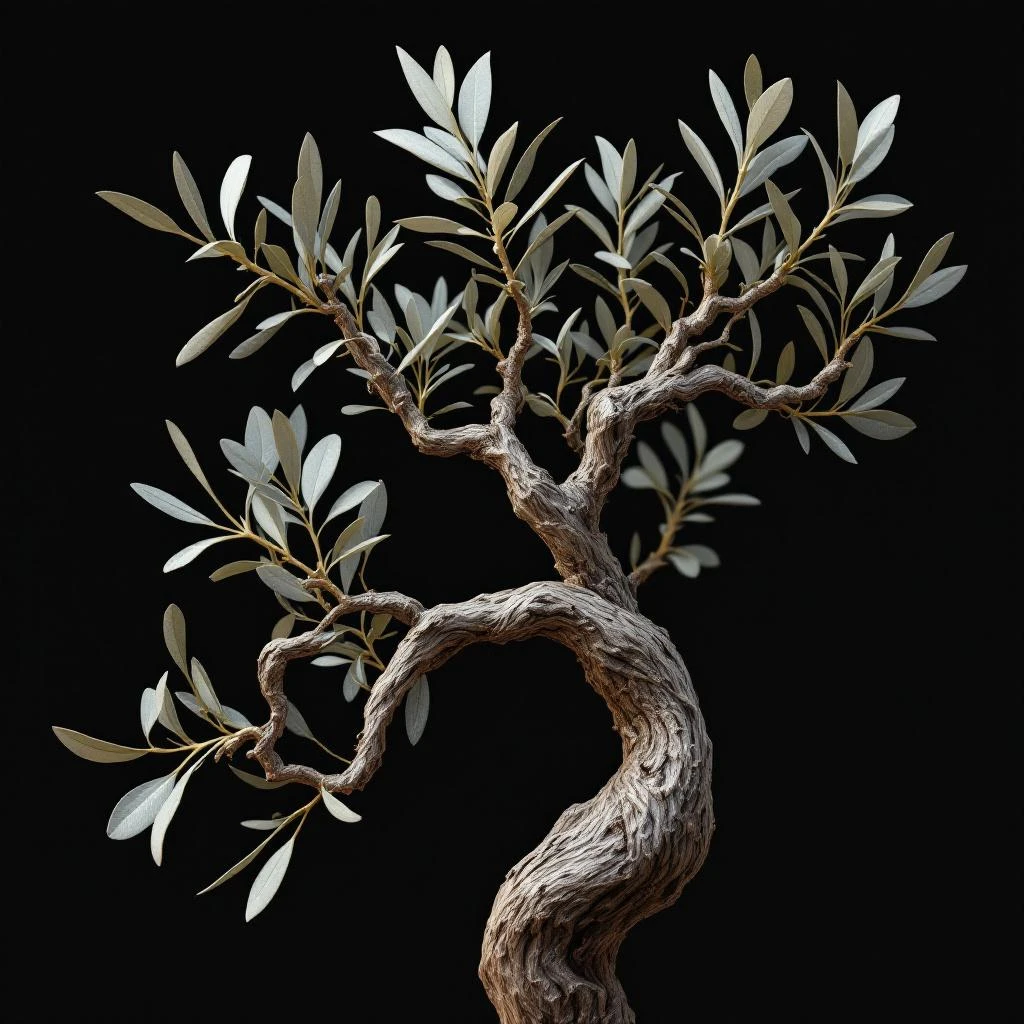

Origin
Cameroon
Bubinga trees grew largely unnoticed in perfumery until African botanical资源 attracted wider attention in the mid-20th century. Before that, colonial traders focused on other aromatic timbers while African artisans used the wood primarily for carvings and musical instruments.
Interest grew as natural perfumers sought alternatives to overharvested sandalwood stocks. Today Bubinga remains a niche but valued ingredient in high-end Oriental compositions, particularly in French and Swiss perfumery houses that emphasize sustainably sourced natural materials.
Wears it best
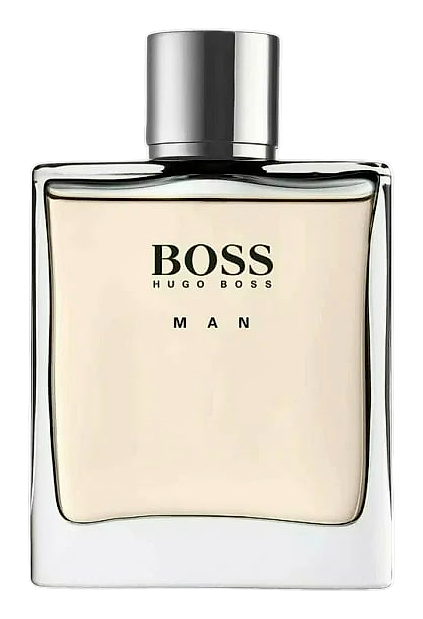
Fragrances featuring Bubinga wood
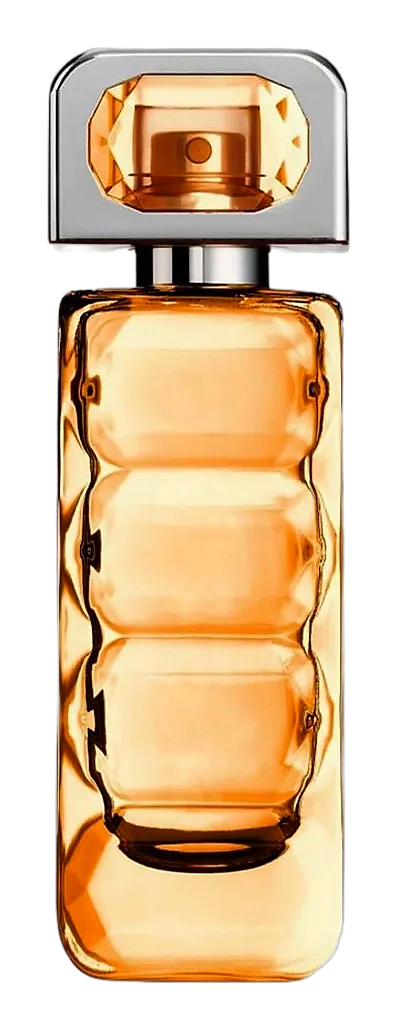
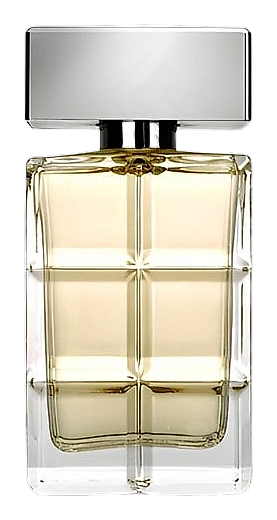
Brands
Brands known for Bubinga wood
Good to know
Questions, answered
The essentials on Bubinga wood in perfumery: how it smells, where it comes from, and how it behaves on skin.
Does Bubinga wood occur naturally in perfumery?
Yes, it appears in niche Oriental and ambré compositions, though less commonly than sandalwood or oud.
What scent does Bubinga oil contribute to perfumes?
The oil adds a warm, slightly sweet-woody base note that enriches ambré and Oriental fragrance structures.
Is Bubinga harvested sustainably?
Sustainability varies by source. Cameroon and neighboring nations regulate harvest, but buyers should verify certifications.
How does Bubinga compare to rosewood or sandalwood?
Bubinga lacks the creaminess of sandalwood and the smoke of some rosewoods, offering a cleaner warm-woody character instead.
Can synthetic alternatives replace natural Bubinga in formulas?
No perfect synthetic exists. The oil's complex composition makes naturals difficult to fully replicate.
What extraction method produces Bubinga essential oil?
Steam distillation of dried heartwood chips yields the oil, typically at low concentrations.
Where does commercial Bubinga grow?
Trees grow across Central African regions, with Cameroon and Gabon as primary commercial sources.
Is Bubinga wood endangered?
Some Guibourtia species face habitat pressures; sourcing from certified suppliers is essential.