Brazilian Vanilla
Brazilian vanilla captures the sun-drenched intensity of tropical pods. Rich, creamy, and warmly resinous, it brings a velvety sweetness that grounds fragrances with enduring comfort. This note transforms simple compositions into something deeply resonant.
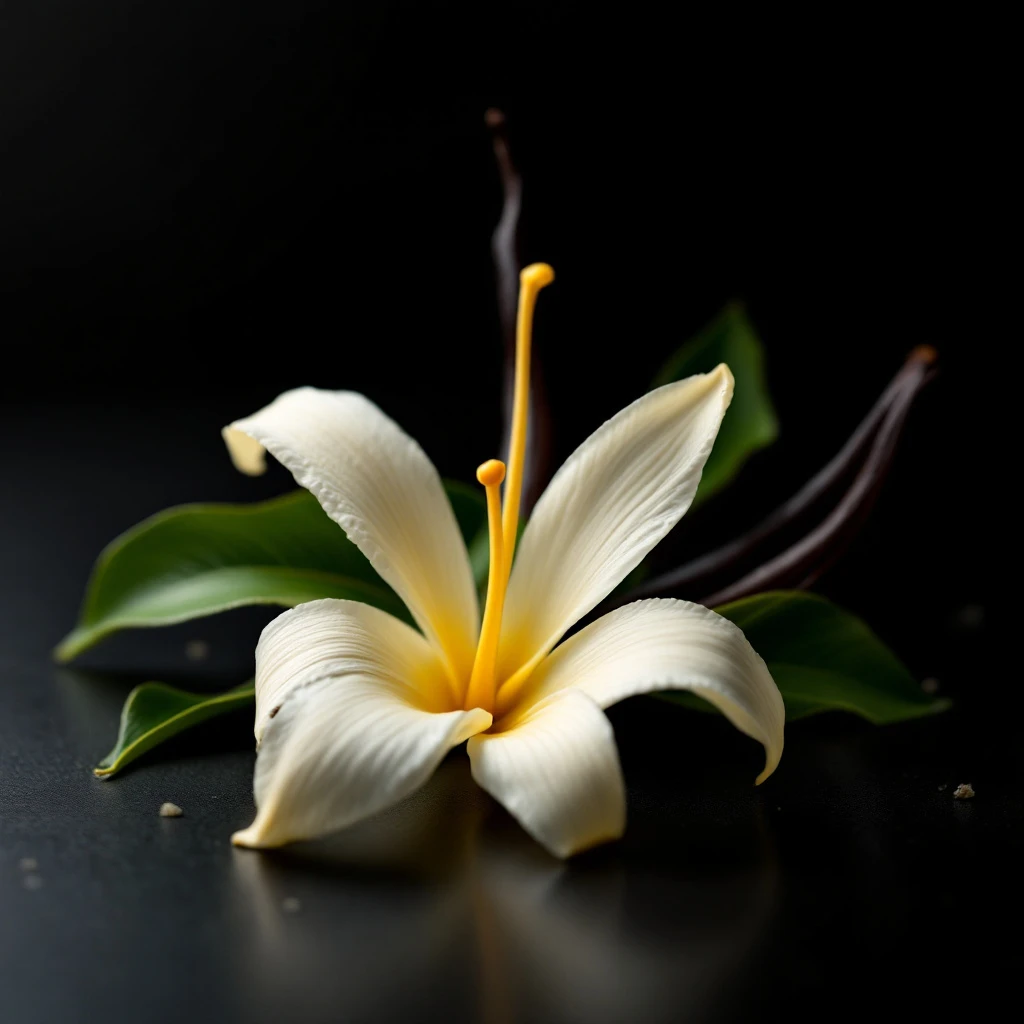
Character
How it smells
Tropical sweetness, velvety warmth.
Each vanilla orchid flower opens for just one day. Without natural pollinators outside Mexico, the vanilla industry depends entirely on hand-pollination, a technique a 12-year-old boy first perfected in 1841.



Origin
Brazil
Indigenous Mesoamerican cultures first cultivated vanilla, using the orchid's seed pods to flavor cocoa beverages centuries before European contact. When Spanish conquistadors brought vanilla to Europe in the 16th century, it quickly became a luxury ingredient. Brazil emerged as a significant vanilla producer during the 19th century, capitalizing on its tropical climate to establish thriving cultivation.
The pivotal breakthrough came in 1841 on Réunion Island, where 12-year-old Edmond Albius developed the hand-pollination technique that made vanilla cultivation possible outside Mexico. Brazilian vanilla developed its own distinct character over time, shaped by the country's equatorial growing conditions and the expertise of generations of local farmers.
Wears it best
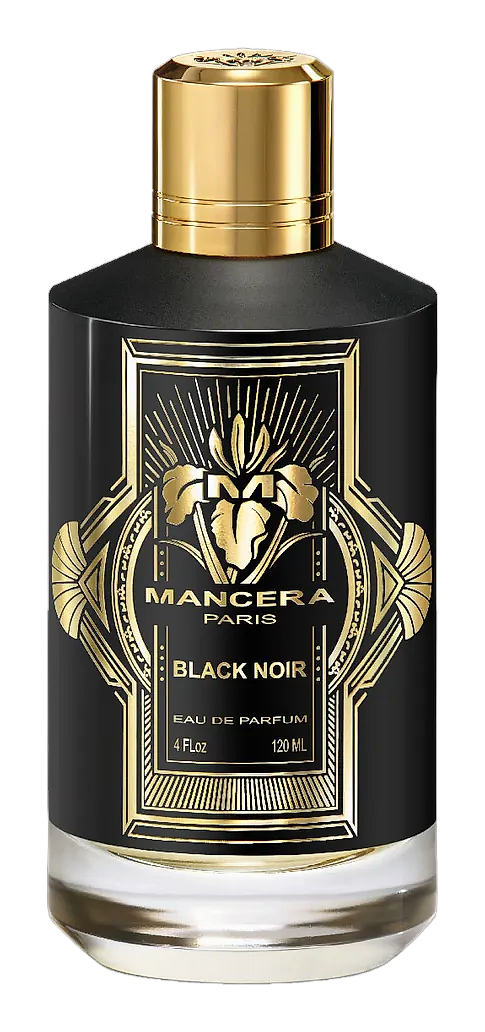
Fragrances featuring Brazilian Vanilla
Brands
Brands known for Brazilian Vanilla
Good to know
Questions, answered
The essentials on Brazilian Vanilla in perfumery: how it smells, where it comes from, and how it behaves on skin.
What creates the distinctive scent of Brazilian vanilla?
Vanillin, the primary aromatic compound, constitutes 2-3% of cured pods. Roughly 200 additional trace compounds shape its deep, warm, resinous character. Brazilian vanilla develops particular intensity from growing conditions that concentrate these aromatic molecules.
How does Brazilian vanilla differ from Madagascar vanilla?
Climate shapes the difference. Brazilian pods often display a bolder, slightly smoky quality due to intense tropical conditions. Madagascar vanilla tends toward creamier, more floral notes influenced by the island's cooler nights and richer soil.
Why does vanilla require hand-pollination in Brazil?
Vanilla orchids cannot self-pollinate naturally. The specific bee species and hummingbirds that pollinate them in Mexico do not exist elsewhere. Edmond Albius solved this problem in 1841, enabling commercial vanilla production worldwide.
What is the production timeline for vanilla pods?
Flowering occurs once yearly, with each bloom lasting only 24 hours. After pollination, pods require eight to nine months to mature. The curing process that follows takes an additional two to six months, making vanilla one of the most time-intensive crops.
Which extraction methods work best for perfumery?
Solvent extraction yields vanilla resinoid with full aromatic complexity. Alcohol maceration produces traditional vanilla extract. Supercritical CO2 extraction is a newer method prized for precision and purity.
Why does natural vanilla cost more than synthetic vanillin?
Vanilla cultivation demands constant hand labor. Workers must pollinate each flower individually, then wait nearly a year for pods to mature. Synthetic vanillin costs roughly one-tenth of natural vanilla, produced in days rather than months.
How do perfumers assess vanilla quality?
Perfumers examine cured pods for moisture content, color intensity, and fragrance strength. For extracts, vanillin concentration provides a baseline measurement, but overall quality depends on the complete aromatic profile.
What fragrance families pair well with Brazilian vanilla?
Amber and oriental compositions benefit most from vanilla's warmth. Oriental resins like labdanum and frankincense deepen its richness. Musks and benzoin create longevity. In lighter constructions, it adds comfort to florals and aldehydic themes.