Brazilian passion fruit
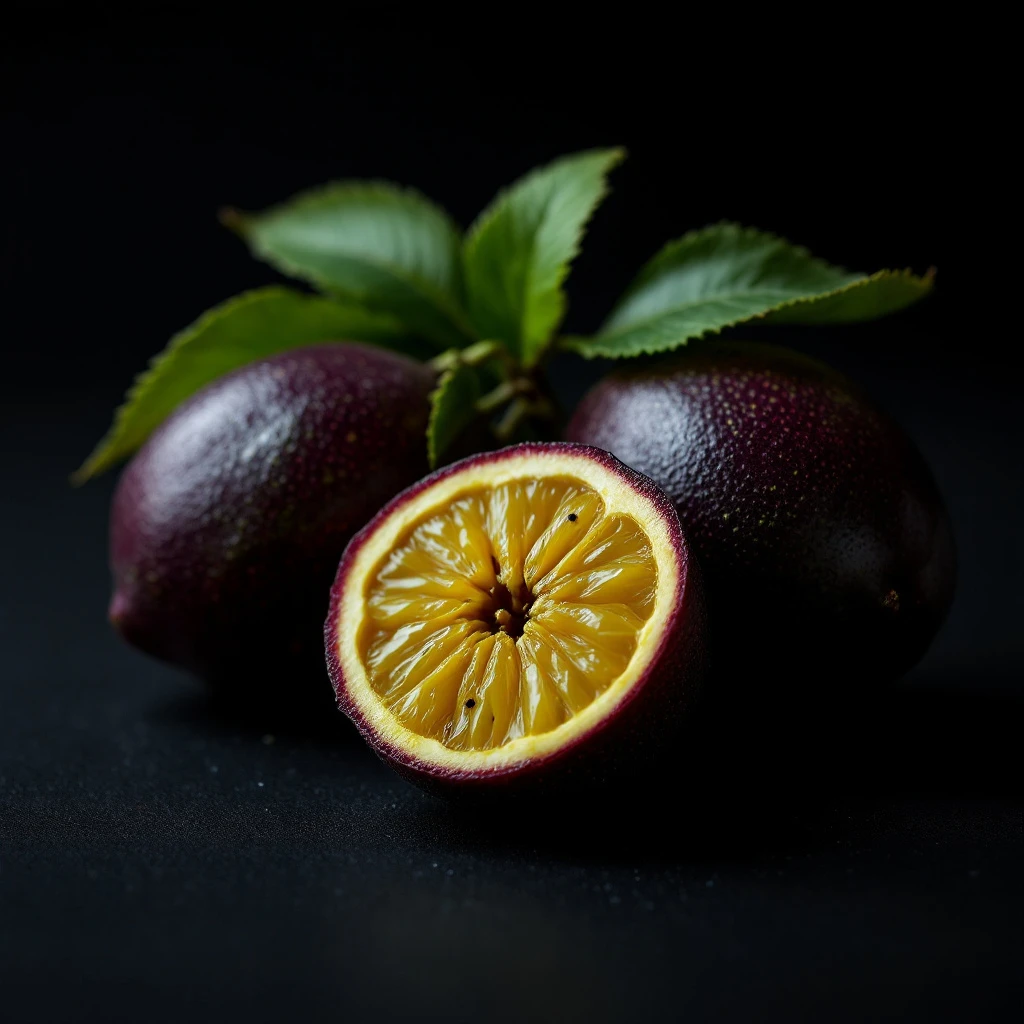
Brazil's sun-ripened passion fruit delivers a tropical tang that perfumers have learned to recreate rather than extract. This vibrant note brings the thrill of tropical escapism to fragrance, blending tartness with intoxicating sweetness that no natural extraction can match.
Character
How it smells
Tropical intensity, chemically captured.
Passion fruit is one of the few tropical ingredients with no viable natural extract. Perfumers rebuild its character entirely from laboratory-created aroma chemicals.




Origin
Brazil
The passion fruit originated in South America, with Brazil emerging as a primary cultivation center during the 20th century. Its journey into perfumery followed a different path than most ingredients. While traditional fragrance materials developed through centuries of natural extraction, passion fruit presented a fundamental obstacle: its aromatic compounds degrade rapidly when attempts are made to isolate them.
Perfumers could smell the fruit's vibrant character in Brazilian markets but found no way to bottle it. This drove innovation in synthetic recreation. As Brazilian agriculture expanded passion fruit production for juice and cosmetics, fragrance chemists simultaneously worked to decode its aromatic signature.
By the late 20th century, reconstructed passion fruit notes appeared in tropical and fruity fragrances worldwide, allowing perfumers to bring Brazilian sunshine to bottles regardless of harvest seasons or geographic limitations.
Wears it best
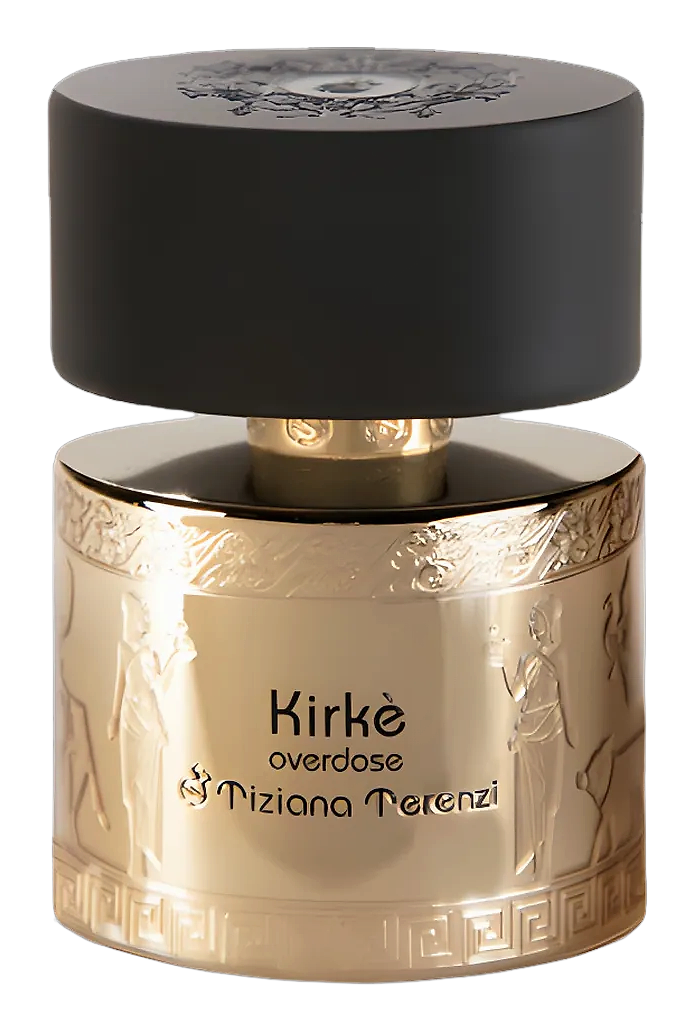
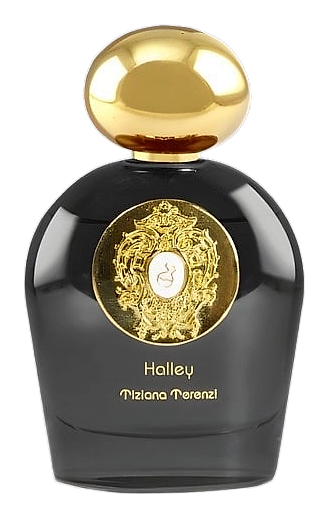
Fragrances featuring Brazilian passion fruit
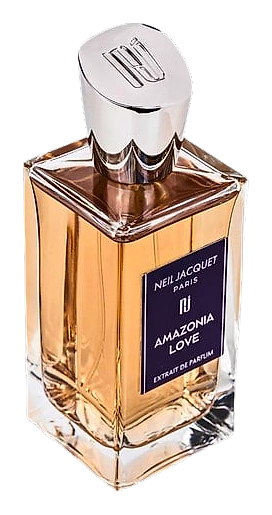
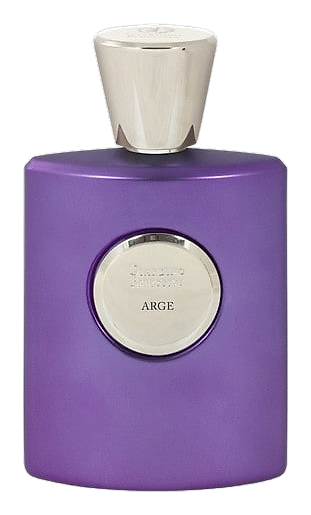
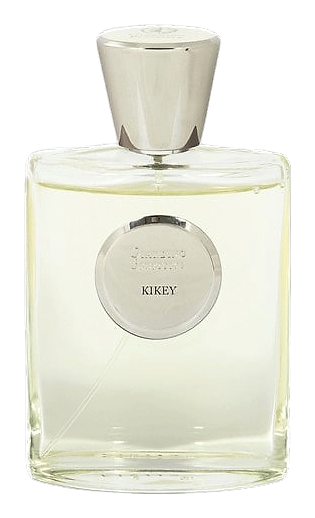
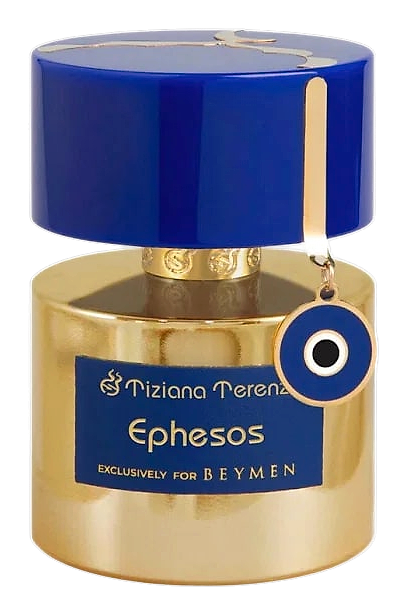
Brands
Brands known for Brazilian passion fruit
Good to know
Questions, answered
The essentials on Brazilian passion fruit in perfumery: how it smells, where it comes from, and how it behaves on skin.
Is passion fruit in perfume a natural extract?
No. Natural passion fruit cannot be extracted into a stable perfume ingredient because its aromatic compounds break down during extraction attempts. Perfumers create this note entirely through synthetic reconstruction using specific aroma chemicals.
What gives passion fruit its characteristic scent?
Key aromatic compounds include p-menthane-8-mercapto-3-one, which provides the fruit's distinctive tropical, slightly sulfurous character. Blending this with fruity esters creates the sweet-tart profile recognized as passion fruit in fragrance.
How would you describe passion fruit's aroma in perfume?
The note reads as tangy and tropical with grapefruit-like citrus brightness. It carries a juicy quality that adds energy and sweetness simultaneously, making it popular in modern fruity-floral compositions.
What fragrance families pair well with passion fruit?
Passion fruit works especially well in fruity, tropical, and floral fragrances. It combines naturally with coconut, jasmine, and citrus notes. It also contrasts interestingly with deeper bases like vanilla and sandalwood.
Is Brazilian passion fruit used in niche perfumery?
Yes. Brazilian ingredients attract interest from niche perfumers seeking distinctive tropical signatures. The country produces significant volumes of passion fruit, making its cultural association with the ingredient strong in the fragrance industry.
How does passion fruit perform in different fragrance formats?
The synthetic reconstruction performs well across fragrance types. It maintains its bright character in alcohol-based perfumes and survives well in shower gels and body lotions. The note tends to shine in the heart of compositions rather than as a base anchor.
Does passion fruit smell different across perfume brands?
Yes. Formulators craft the note with different balances. Some versions emphasize tartness and citrus aspects. Others highlight tropical sweetness. This variation allows passion fruit to suit fresh summer fragrances or richer, more exotic compositions.
What makes passion fruit challenging for perfumers?
Recreating the note requires balancing multiple aromatic molecules to achieve natural character. Too much of certain compounds creates harshness rather than fruitiness. The best reconstructions capture the fruit's juicy complexity without artificial overtones.