Blue Lilac
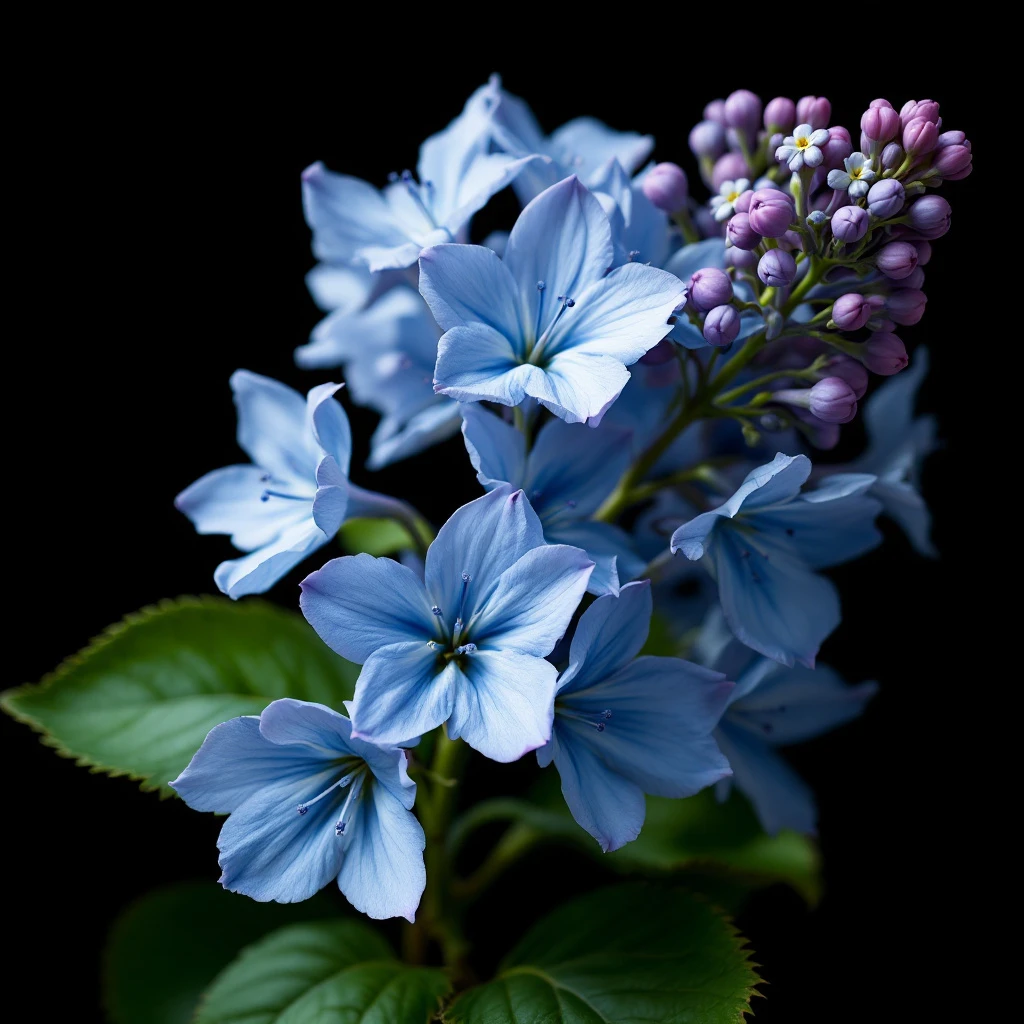
Blue lilac captures the ephemeral beauty of spring gardens. Its scent evokes soft clusters of purple blooms against morning light. In perfumery, this note delivers a delicate floral sweetness that feels both nostalgic and contemporary.
Character
How it smells
The ephemeral beauty of a spring garden captured in scent.
Lilac flowers contain almost no detectable fragrance in their essential oil form, making blue lilac one of perfumery's most precise synthetic recreations.
Pairs beautifully with


Origin
Serbia
Syringa vulgaris originated in the Balkans and was carried westward through trade routes. Arab merchants introduced lilacs to Spain around the 16th century, from where the plant spread across European gardens. The flower's name derives from the Persian word for pipe, referencing its hollow stems used historically for flute-making.
European pioneers carried lilac seeds to North America in the 1800s, where the hardy shrub became a garden staple. Despite centuries of cultivation, perfumers could not capture lilac's essence through conventional extraction. The flower became known as the silent flower, its beauty visible but its scent seemingly locked away.
Only with 20th-century aromatic chemistry did perfumers gain reliable access to this spring garden signature.
Wears it best
Fragrances featuring Blue Lilac
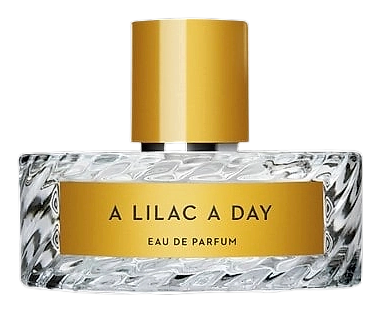
Brands
Brands known for Blue Lilac
Good to know
Questions, answered
The essentials on Blue Lilac in perfumery: how it smells, where it comes from, and how it behaves on skin.
What does blue lilac smell like in perfume?
Blue lilac delivers a soft, sweet-floral scent with green, dewy undertones. Think of morning air near a lilac hedge, with hints of powdery softness and fresh-cut stems. The note reads as nostalgic yet airy.
Is blue lilac a natural or synthetic ingredient?
Most blue lilac materials in perfumery are synthetic aromachemicals. True lilac absolute exists via enfleurage but remains extremely rare. Modern synthetics like Lilial and Magnoline replicate the natural scent profile with high accuracy.
What fragrances pair well with blue lilac?
Blue lilac harmonizes with other spring florals like hyacinth, peony, and lily of the valley. It pairs naturally with green notes, fresh citrus, and soft musks. Woody bases like cedar add grounding depth.
When does lilac typically bloom?
Lilac bushes bloom in late spring, typically May in the Northern Hemisphere. This timing makes lilac a seasonal note that evokes spring's peak. The flowers last only a few weeks, adding to their fleeting appeal.
Can lilac be steam distilled for essential oil?
Steam distillation fails with lilac because the flowers release virtually no essential oil through this method. Enfleurage remains the only traditional extraction technique, though yields are minimal.
Where is lilac originally from?
Syringa vulgaris originates from the Balkan peninsula in southeastern Europe. The species spread westward through trade networks before 1600, eventually reaching gardens across the continent and later North America.
What gives blue lilac its characteristic scent?
Key aroma compounds in lilac include lilial, which provides fresh floral sweetness, and various aldehydes that add dewy, green nuances. These molecules together create the impression of soft petals with a cool, watery quality.
Does blue lilac have any traditional uses beyond perfumery?
Historically, lilac petals appeared in pomanders and sachets for scenting linens. The flowers held symbolic meaning in Persian and European folklore. In perfumery, lilac became sought-after once synthesis made the scent accessible.



