Black Teakwood
Black Teakwood delivers a rich, sophisticated woody character with deep resinous warmth. This specialty aromatic material captures the dense heart of aged teak, offering perfumers a darker, more complex interpretation of the classic timber note.
Character
How it smells
The dense heart of aged timber, rendered in darkness.
Tectona grandis trees naturally resist rot due to their high silica content, which also contributes to the wood's distinctive tactile and aromatic properties.
Pairs beautifully with

Origin
Myanmar
Teak has been prized across Southeast Asian cultures for millennia, valued as a premier building material for ships, temples, and royal structures. The wood's natural durability made it essential for maritime applications throughout the region.
While perfumery adopted teak's aromatic qualities more recently, the tree's cultural significance spans centuries of craftsmanship. The Black Teakwood designation emerged from modern specialty perfumery's demand for more complex, concentrated woody materials.
This represents a refinement of traditional wood absolutes, developed to meet contemporary fragrance creation requirements. The material bridges ancient wood appreciation with current aromatic artistry.
Wears it best
Fragrances featuring Black Teakwood
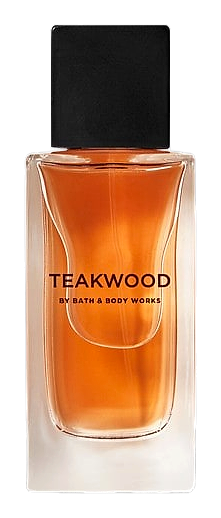
Brands
Brands known for Black Teakwood
Good to know
Questions, answered
The essentials on Black Teakwood in perfumery: how it smells, where it comes from, and how it behaves on skin.
What does Black Teakwood smell like?
Black Teakwood presents a rich, warm woody aroma with deep resinous undertones. The scent combines dry timber characteristics with subtle balsamic sweetness, creating a sophisticated base note for fragrance compositions. Its complexity stems from concentrated aromatic compounds found in aged heartwood.
Is Black Teakwood a natural or synthetic ingredient?
Black Teakwood is derived from natural teak heartwood through solvent extraction. The material originates from Tectona grandis trees grown in managed forestry operations. Quality varies based on wood maturity and extraction methods used by the producer.
What type of fragrance formulations use Black Teakwood?
Black Teakwood works as a base note in men's fragrances, woody compositions, and oriental formulations. Perfumers value it for adding depth and sophistication to masculine colognes, leather accords, and smoked wood interpretations. It blends particularly well with other woody and resinous materials.
How is Black Teakwood different from standard teak absolute?
The Black designation refers to increased concentration and depth achieved through specific processing of aged heartwood. This creates a more intense, complex aromatic profile compared to standard teak extracts. The material captures the wood's most concentrated aromatic compounds.
What extraction process creates Black Teakwood?
Solvent extraction of aged teak heartwood produces this material. The process uses food-grade solvents to draw out aromatic compounds from the densest wood portions. This method preserves delicate aromatic molecules that heat-based distillation might damage.
Where does teak used in perfumery originate?
Myanmar produces some of the world's finest teak, where the species grows natively. Sustainable plantation sources now supply much of the fragrance industry's needs. Geographic origin affects the wood's aromatic profile due to soil and climate variations.
Does Black Teakwood perform well in all fragrance formats?
Black Teakwood performs excellently in alcohol-based perfumes and oil-based attars. The material's viscosity requires dilution before use. Perfumers typically pre-dilute it in dipropylene glycol or fractionated coconut oil for easier formulation work.
What compounds give Black Teakwood its characteristic scent?
Sesquiterpene hydrocarbons and phenolic compounds create the material's distinctive warm, woody aroma. These molecules develop as the tree matures, becoming more concentrated in heartwood over decades. The specific compound profile determines the final olfactory character.