Bitters
In perfumery, bitters refers to aromatic materials extracted from bitter orange, delivering a crisp, slightly astringent citrus character with green undertones. The peel, leaves, and blossoms each yield distinct yet complementary oils that perfumers prize for their versatility and complexity.

Character
How it smells
The sharp elegance of bitter citrus
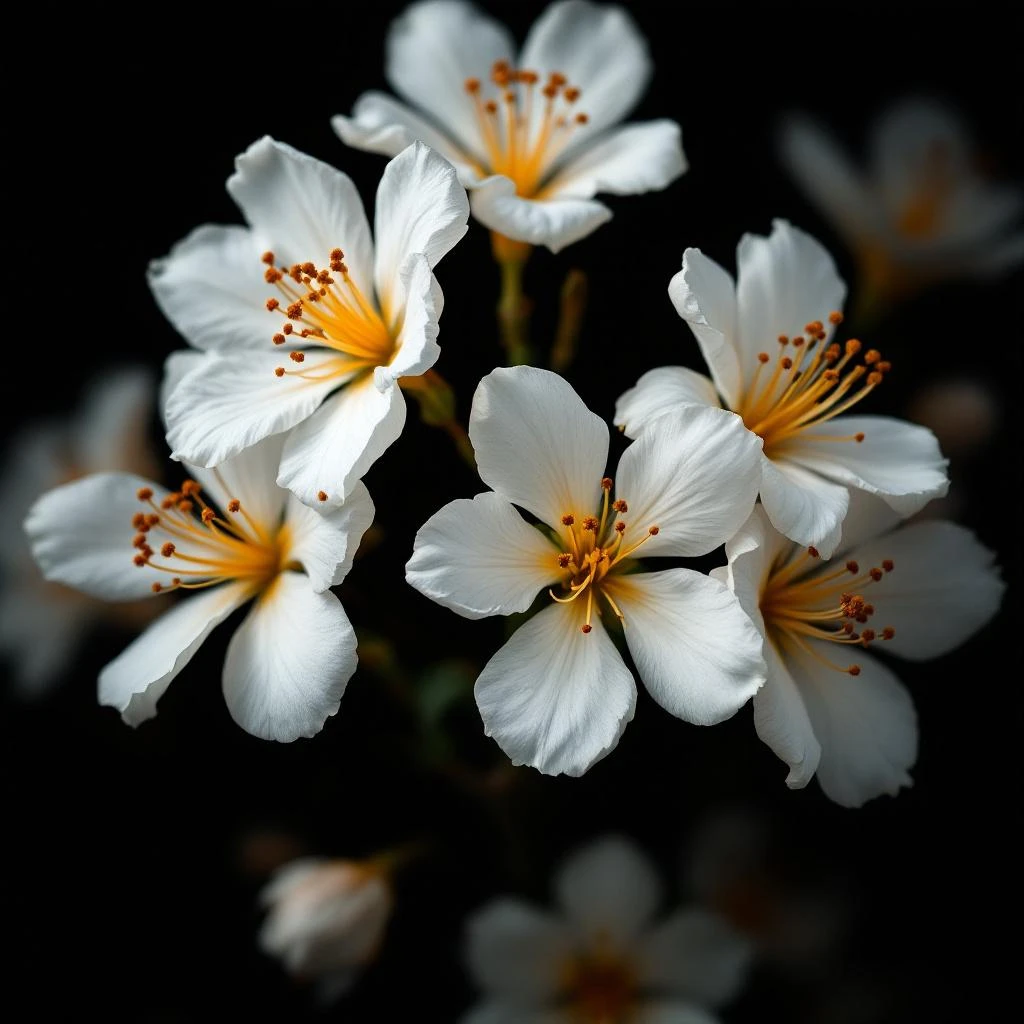
One bitter orange tree yields three different oils: neroli from the blossoms, petitgrain from the leaves, and bitter orange oil from the peel. Neroli remains among the most expensive citrus oils in perfumery.




Origin
India
Bitter orange originated in Southeast Asia and traveled westward through ancient trade routes, establishing itself as a cornerstone of Mediterranean perfumery. The Crusaders encountered the plant during expeditions to the Middle East and brought it back to European markets.
In twelfth-century Arabia, physicians refined distillation techniques, making it possible to extract aromatic oils from the flowers, leaves, and peel. Each component developed its own identity.
The French town of Neroli became associated with the blossom oil in the seventeenth century when the Duchess of Neroli popularized it in scented gloves and court pomades. The ingredient has remained a fixture in classical and modern perfumery, valued for its ability to add brightness, structure, and a distinctive bitter edge that rounds out sweeter citrus notes.
Wears it best
Fragrances featuring Bitters
Brands
Brands known for Bitters
Good to know
Questions, answered
The essentials on Bitters in perfumery: how it smells, where it comes from, and how it behaves on skin.
What exactly are bitters in perfumery?
Bitters describe aromatic materials derived from bitter orange trees. Different plant parts produce distinct oils: bitter orange oil from the peel, neroli from the flowers, and petitgrain from the leaves and twigs. Each carries the same botanical signature while offering unique aromatic characteristics.
How does bitter orange oil differ from sweet orange oil?
Bitter orange oil has a sharper, more astringent character than sweet orange oil. It contains higher levels of certain furanocoumarins that contribute to its distinctive bitter edge. Perfumers often describe it as more complex, with green and floral undertones absent in the sweeter sweet orange variety.
Why is neroli oil so expensive?
Neroli commands premium prices because of its low yield and delicate harvest requirements. Producers need approximately one ton of freshly picked orange blossoms to yield just one kilogram of oil. The flowers must be processed within hours of harvest, and the harvest window lasts only a few weeks each year.
What is petitgrain and how is it produced?
Petitgrain is an essential oil steam distilled from the leaves and twigs of bitter orange trees. The name translates to 'little grains,' referring to the small leaves originally used in production. Modern petitgrain often comes from Paraguay or Egypt, with a scent profile described as sharp, woody, and distinctly green.
What does bitter orange oil smell like?
Bitter orange oil opens with a bright, crisp citrus burst that quickly reveals subtle bitter and green undertones. Unlike sweet orange, it carries a slightly astringent quality with faint floral hints from the blossoms. The dry-down is clean and dry rather than sweet.
In which fragrance families do perfumers commonly use bitters?
Bitter orange appears most frequently in citrus and cologne structures, where it serves as a primary character. Perfumers also incorporate it into chypre and fougère compositions for its ability to add brightness without excessive sweetness. The ingredient typically occupies top to heart positions in fragrance construction.
Is petitgrain the same as bitter orange leaf oil?
Yes, petitgrain specifically denotes oil from bitter orange leaves and young twigs. Some producers label it according to the country of origin, such as petitgrain Paraguay or petitgrain Brazil. The steam distillation process produces an oil with a more bitter, less floral character compared to neroli from the same plant.
How do perfumers ensure sustainable sourcing of bitter orange ingredients?
Responsible producers partner with citrus farmers who maintain bitter orange groves using integrated pest management and organic practices. Harvest timing affects oil quality, so sustainable sourcing also involves supporting farmer education programs that optimize both environmental impact and aromatic yield.