Bitter Orange Orpur
Bitter orange delivers a tart, zesty citrus punch that sets it apart from its sweeter relatives. From a single tree, perfumers harvest four distinct aromatic materials across blossom, leaf, and peel.
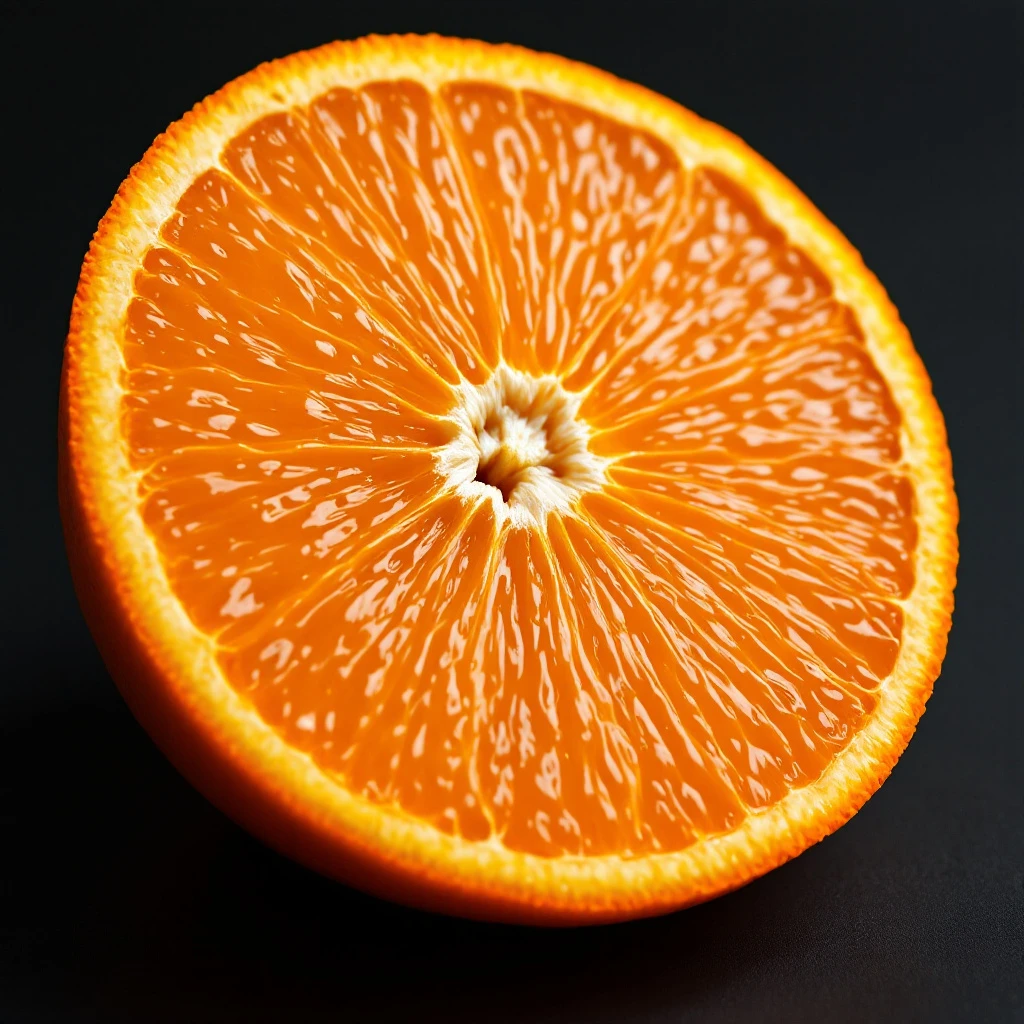
Character
How it smells
Tart, zesty, and utterly distinctive
One bitter orange tree yields up to four different perfume ingredients: neroli from blossoms, petitgrain from leaves, and orange oil from the peel.



Origin
Spain
Bitter orange originated in China before traveling westward along ancient trade routes to India and eventually the Mediterranean. Andalusia became its European heartland, with Seville emerging as the iconic growing region. Greek mythology links the bitter oranges of Seville to the goddess Hera, who supposedly planted the first trees in the region.
During the medieval period, Spanish and Italian monasteries refined extraction techniques built on Arab knowledge, establishing the foundations of modern perfumery. The bitter orange tree proved uniquely generous to perfumers, yielding multiple ingredients from a single plant. By the 17th century, bitter orange had become a cornerstone of European fragrance, a position it holds today.
The Seville variety remains the benchmark for quality, though cultivation has spread to Paraguay, Haiti, and the West Indies.
Wears it best
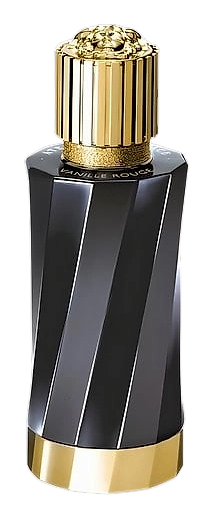
Fragrances featuring Bitter Orange Orpur
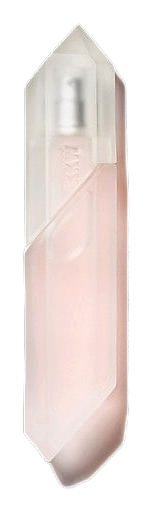
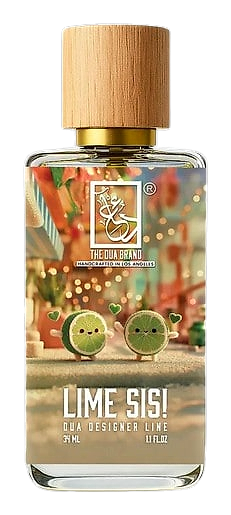
Brands
Brands known for Bitter Orange Orpur
Good to know
Questions, answered
The essentials on Bitter Orange Orpur in perfumery: how it smells, where it comes from, and how it behaves on skin.
What does bitter orange smell like?
Bitter orange smells tart and zesty with a sharper, more complex character than sweet orange. It carries bright citrus acidity balanced by subtle floral and green undertones.
What parts of the bitter orange tree are used in perfumery?
The tree yields four distinct perfume materials: neroli from blossoms, petitgrain from leaves and small fruit, orange oil from the peel, and orange blossom absolute.
What is Orpur?
Orpur is a quality designation for bitter orange essential oil, indicating a pure cold-pressed material sourced from ripe fruit peel with high aromatic integrity.
What fragrance families feature bitter orange?
Bitter orange appears in colognes, chypres, and floral compositions. It adds a crisp citrus lift that brightens heavier base notes and provides tartness.
Where does bitter orange grow?
Bitter orange thrives in warm Mediterranean climates. Major producing regions include Spain, Italy, and Paraguay, though Seville remains the most celebrated origin.
How does bitter orange differ from sweet orange oil?
Bitter orange oil is more astringent and complex, with slightly bitter, green, and floral facets. Sweet orange oil is juicier and simpler, lacking this tart dimension.
Is bitter orange oil phototoxic?
citation_needed: Bitter orange oil contains furanocoumarins that can cause photosensitivity. Dilution guidelines apply when using it in skin applications.
What other ingredients come from the bitter orange tree?
Neroli, petitgrain, and orange blossom absolute all derive from the same tree. Neroli comes from steam-distilled blossoms, petitgrain from leaves and branches.