Birch water
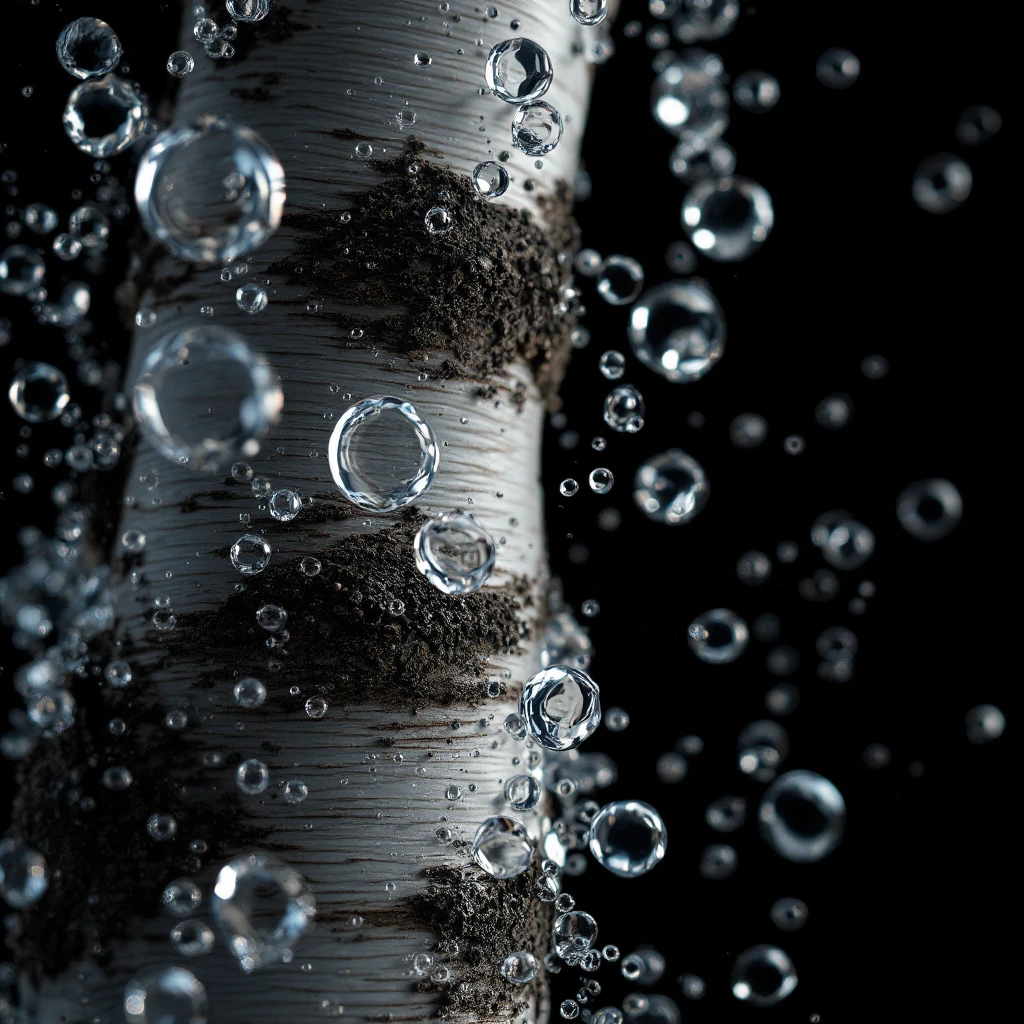
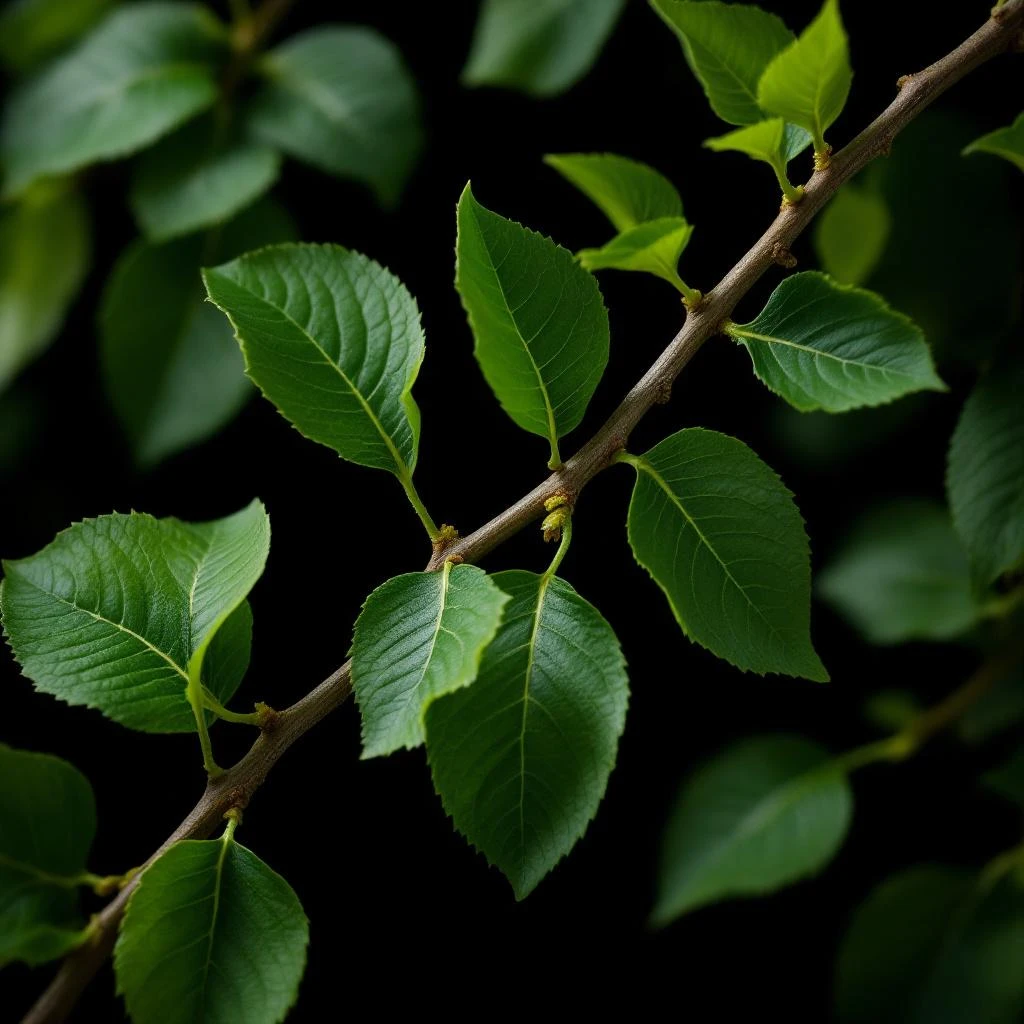
Birch water captures the living essence of northern forests. Distilled from Betula pendula sap, it delivers a crisp, green freshness that evokes sap rising through silver bark in early spring.
Character
How it smells
The fresh pulse of boreal forests in a bottle.
Birch sap flows for only three to four weeks annually, before the tree buds burst. Each drop represents a finite seasonal window that perfumers race to collect.




Origin
Russia
Communities across Russia and Scandinavia have harvested birch sap for centuries, using it in traditional tonics and preserved foods. The practice of turning this seasonal resource into fragrance emerged more recently, as perfumers sought authentic green notes beyond synthetic alternatives. Northern European forests supplied birch tar for leather-working and folk perfumery long before anyone bottled its water.
The ingredient gained serious traction in the twentieth century as natural物 growing in prominence. Today it remains relatively rare in fine fragrance. Many expressions rely on synthetic reproductions, making genuine birch water a distinctive choice for perfumers committed to natural sourcing.
Its scarcity and seasonal nature lend it an exclusivity that fits premium niche portfolios.
Wears it best
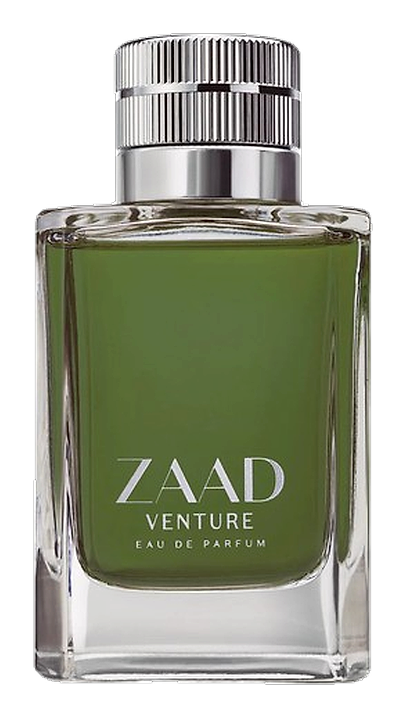
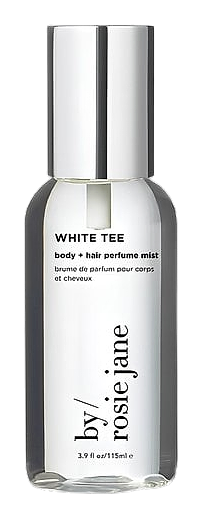
Fragrances featuring Birch water

Brands
Brands known for Birch water
Good to know
Questions, answered
The essentials on Birch water in perfumery: how it smells, where it comes from, and how it behaves on skin.
What does birch water smell like?
Birch water registers as crisp, green, and slightly mineral. Think of the scent inside a forest after rain where sap has been freshly cut. It carries subtle woody undertones and a cool, almost watery freshness that makes it stand apart from citrus or herbal notes.
How is birch water different from birch bark oil?
Birch water comes from the tree sap, giving it a light, watery freshness. Birch bark oil is steam-distilled from the bark itself and carries deeper, more resinous woody tones. The water captures the living quality of the growing tree; the bark oil preserves its structural strength.
Is birch water a natural ingredient?
Yes, when authentically sourced. Fragrance houses extract it by tapping living Betula pendula trees without felling them. Synthetic reproductions exist and often appear in mass-market products where cost and consistency drive formulation.
Which fragrance families use birch water?
Birch water appears primarily in green and woody compositions. Perfumers pair it with vetiver, cypress, and fresh citrus accords. It functions best as a supporting note that lends authenticity to forest, outdoor, and nature-inspired constructions.
Where does birch water for perfumery originate?
The finest birch water comes from Russia, Scandinavia, and northern Finland. These regions have shorter growing seasons, which stress the trees and concentrate aromatic compounds in the sap. Betula pendula thrives across the boreal forest belt spanning these territories.
When do producers harvest birch sap?
Tapping occurs for roughly three to four weeks in early spring before the tree enters active growth. Timing matters enormously. The sap must flow before the buds swell, or the resulting liquid loses its characteristic freshness and carries a disagreeably bitter quality.
Does tapping birch trees harm them?
When conducted properly, tapping causes minimal damage. Producers drill small holes that the tree compartmentalizes and heals within a season. Commercial operations take care to limit sap removal so trees remain healthy and the resource stays renewable.
How do I identify authentic birch water in a fragrance?
Check the ingredients list for Betula pendula sap or Betula alba water. Brands that emphasize natural sourcing typically highlight seasonal ingredients on their packaging. Authentic birch water lends a cool, mineral green quality that synthetic versions rarely replicate convincingly.