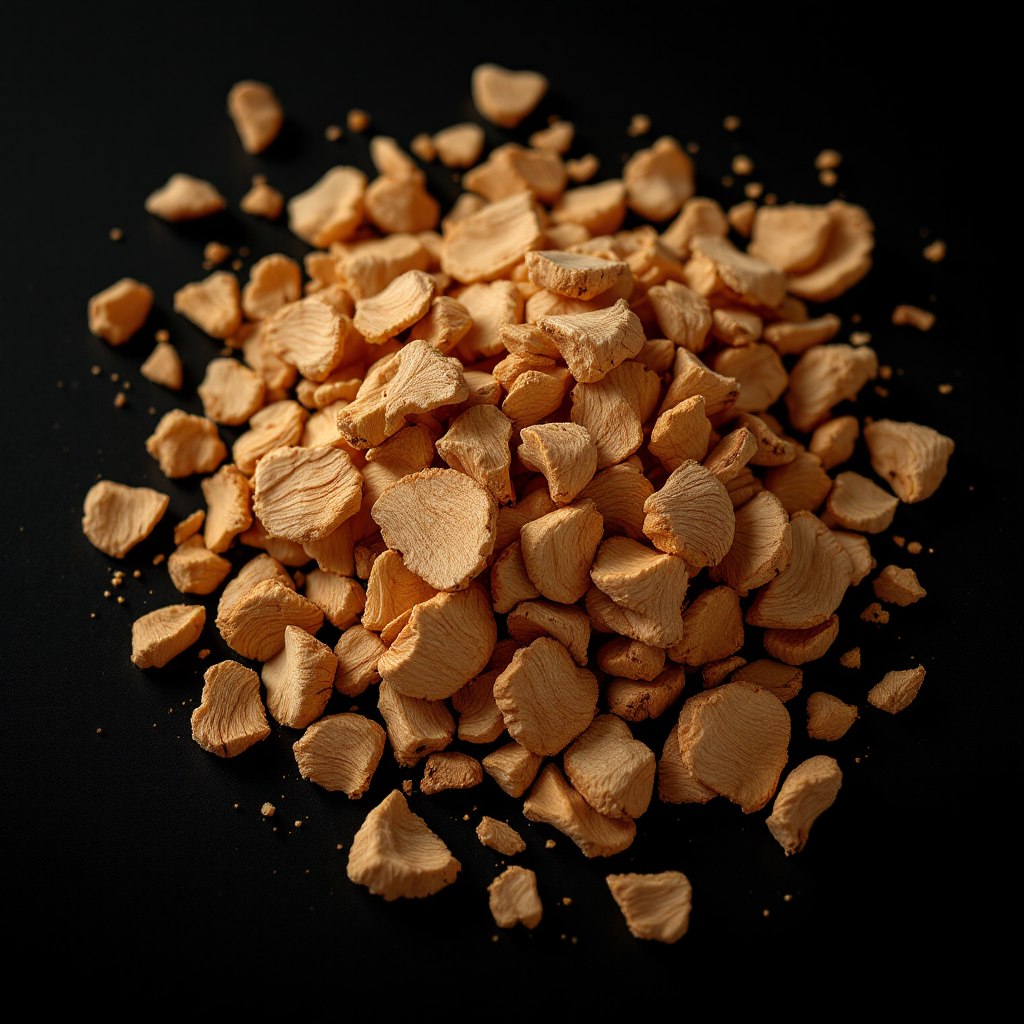
Arabian Woods
Arabian Woods captures the essence of ancient desert craftsmanship. This signature blend combines the rare intensity of agarwood with warm, smoky undertones refined through centuries of Middle Eastern perfumery traditions.
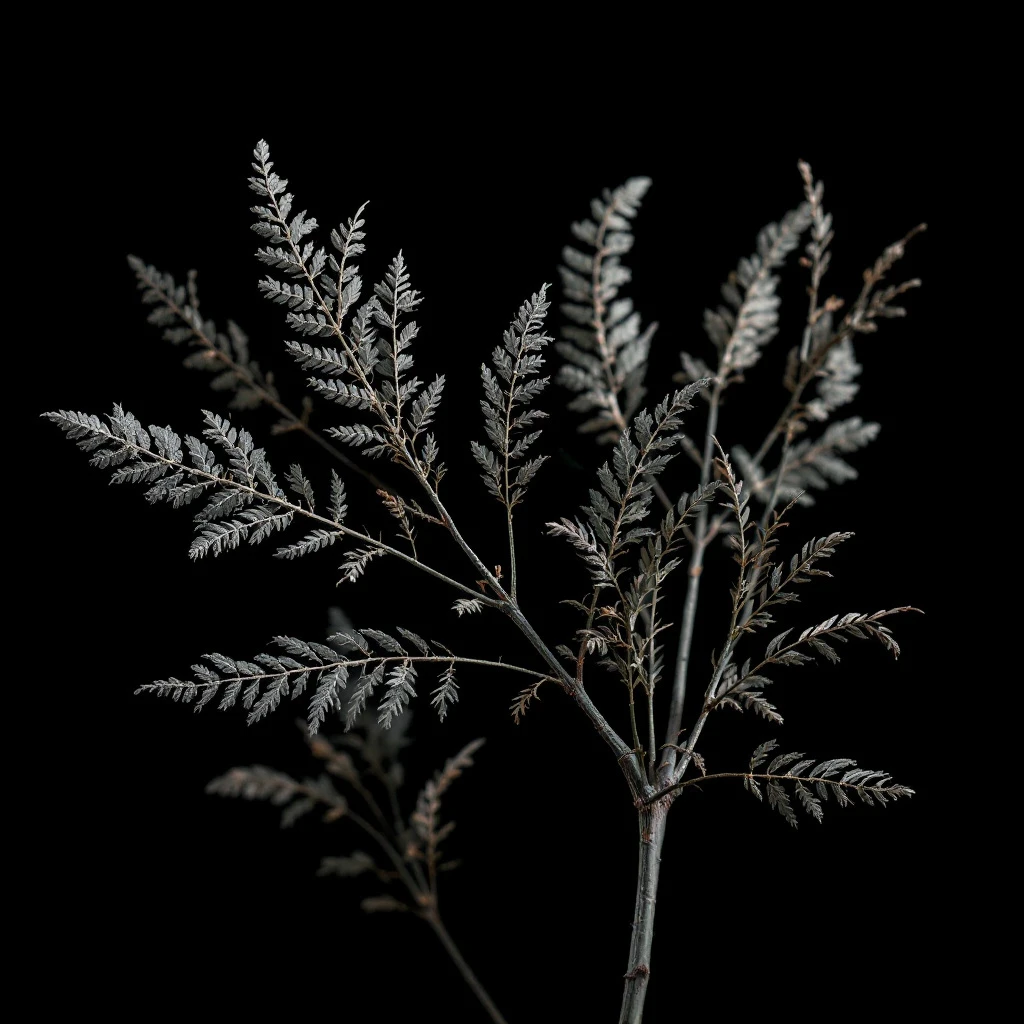
Character
How it smells
Centuries of desert craft in every drop
The finest agarwood requires the Aquilaria tree to become naturally infected—a process that can take up to 50 years to unfold.
Pairs beautifully with
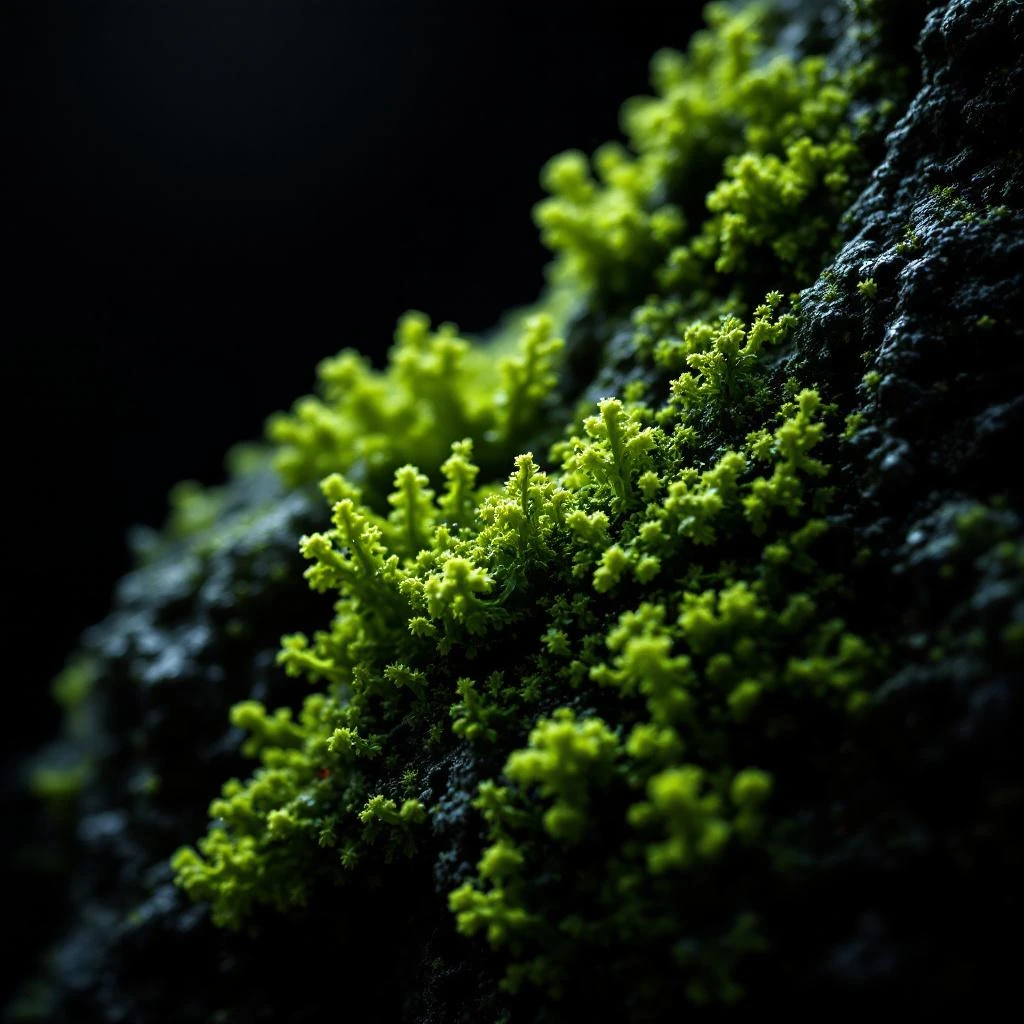
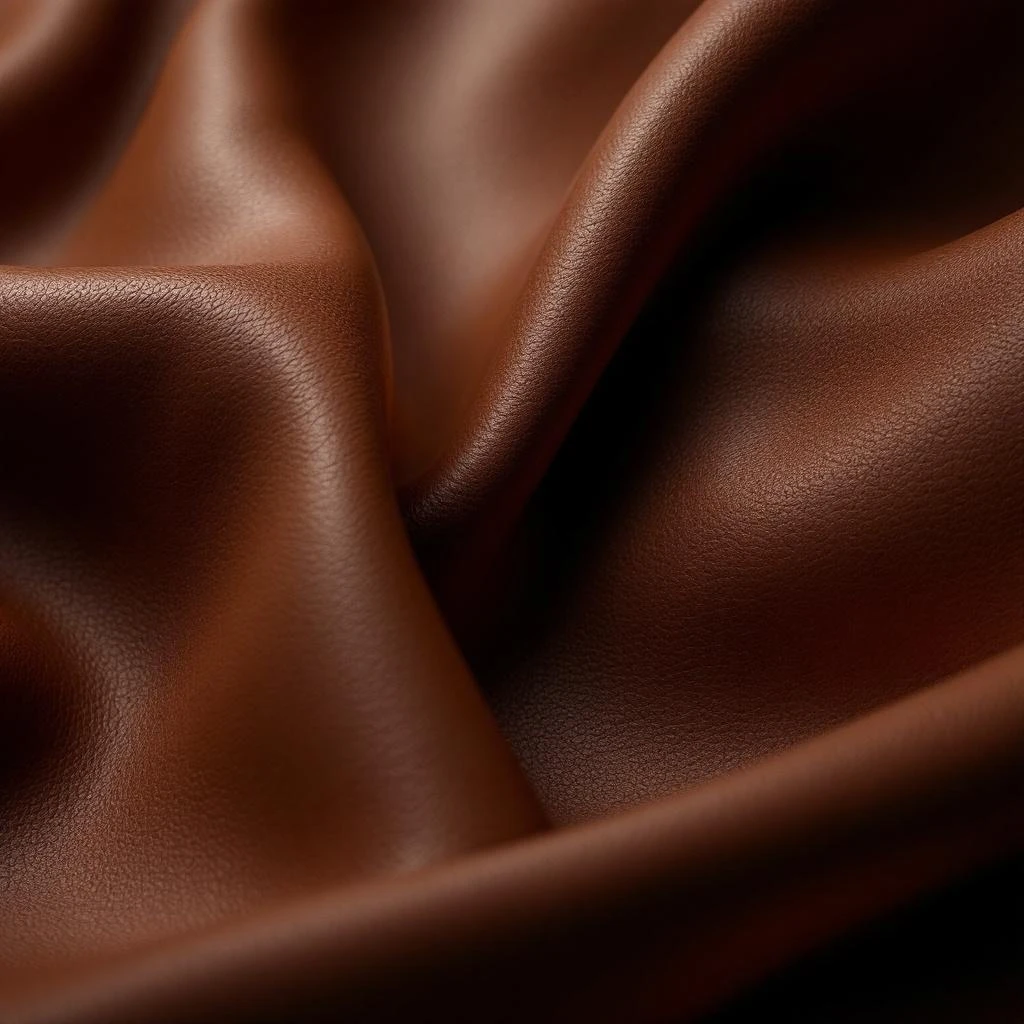


Origin
India
Arabian perfumers fundamentally shaped global perfumery. Between the 9th and 14th centuries, scholars and craftspeople in the Islamic Golden Age developed and refined distillation techniques that transformed perfume from a luxury of the elite into a viable commercial industry. The very word perfume derives from the Latin per fumum, meaning through smoke, describing how Arab cultures used aromatic woods in religious ceremonies and daily rituals.
These techniques spread along trade routes connecting Arabia with Persia, India, and beyond, carrying agarwood and other precious materials into the perfumers' workshops of Baghdad, Damascus, and Cairo. The tradition continues today, with Arabian woods remaining central to oud-based attars and modern luxury fragrances alike.
Wears it best
Fragrances featuring Arabian Woods
Brands
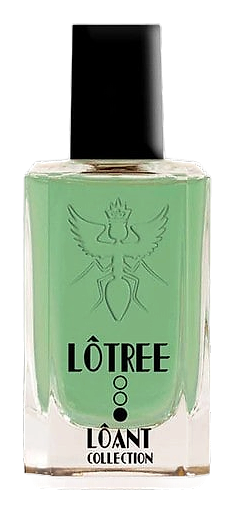
Brands known for Arabian Woods
Good to know
Questions, answered
The essentials on Arabian Woods in perfumery: how it smells, where it comes from, and how it behaves on skin.
What exactly is Arabian Woods?
Arabian Woods is a fragrance note built around agarwood (oud), a resinous heartwood produced by the Aquilaria tree when naturally infected. It captures warm, smoky, and resinous qualities shaped by traditional Arabic perfumery methods.
Why is agarwood so expensive?
Only about 2% of Aquilaria trees naturally develop the infection that creates usable agarwood. This infection can take decades to produce quality resin, making premium material extraordinarily scarce and driving prices far above most other natural perfume ingredients.
How does Arabian perfumery differ from other traditions?
Arabian perfumery centers on distillation mastery developed during the Islamic Golden Age and emphasizes oud-based preparations rather than alcohol-based perfumes. The focus on smoky, resinous woods reflects both regional resources and cultural preferences developed over centuries.
How should I use Arabian Woods in fragrance creation?
Agarwood oil is highly concentrated and typically applied diluted—mix a small amount with a carrier oil or alcohol base. Apply to pulse points or blend with complementary notes like amber, rose, or sandalwood for balanced compositions.
Does Arabian Woods expire?
Properly stored oud oil remains stable for years. Keep it in a dark, sealed bottle away from heat and direct sunlight. Some practitioners report that aged oud improves in complexity over decades, much like fine wine.
How can I identify authentic Arabian oud?
Natural oud oil shows color variation from pale gold to deep brown. Avoid anything with uniform artificial coloring. Request GC-MS documentation from suppliers to verify authenticity and origin of the material.
What does Arabian Woods smell like?
The scent profile includes deep resinous warmth, sweet smoke, and subtle balsamic and camphoraceous undertones. No two batches are identical since the infection process creates unique aromatic profiles in each piece of wood.
Is Arabian Woods a single ingredient or a blend?
Arabian Woods functions as a category describing woods and resins central to Arabian perfumery traditions. In practice, it often combines multiple agarwood sources with complementary aromatic materials, creating a signature effect rather than a single-note ingredient.