Apricot Brandy
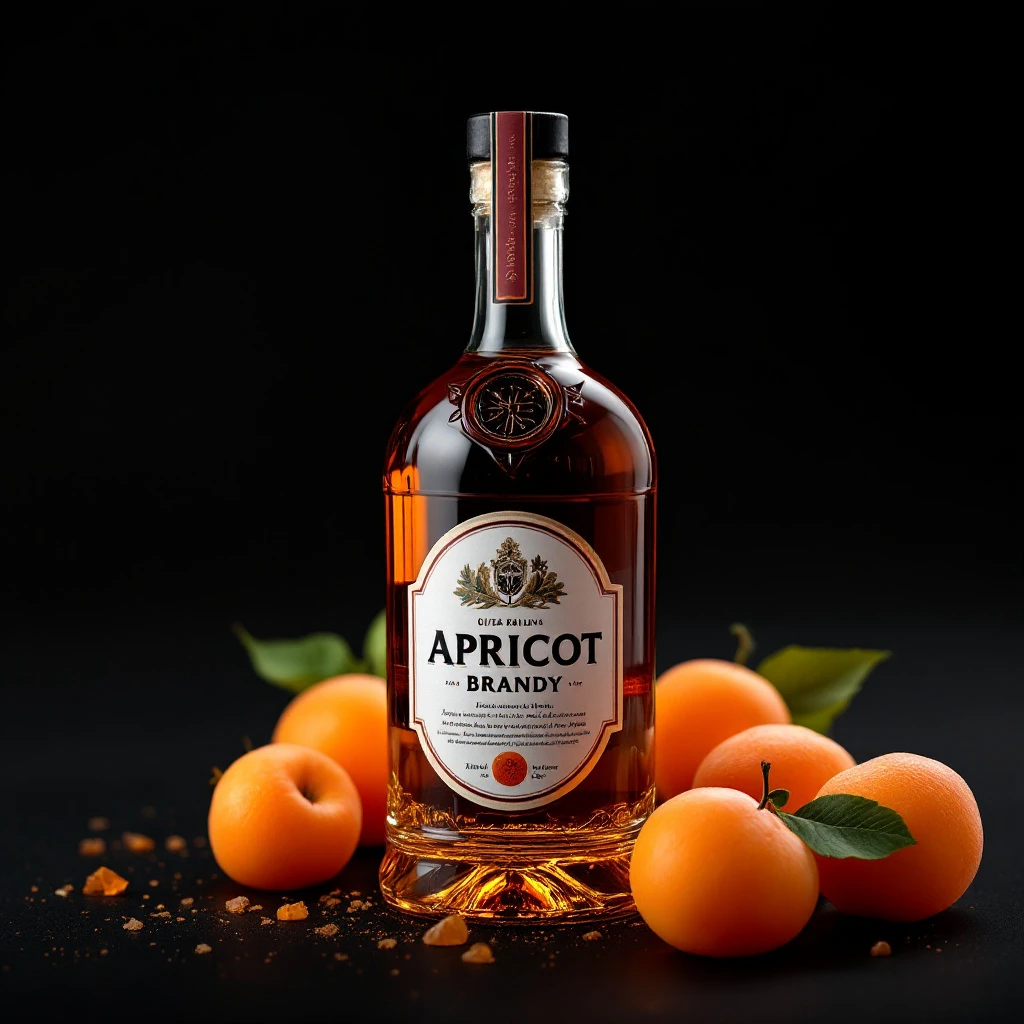
Apricot Brandy captures the warm, boozy sweetness of ripe apricots steeped in aged spirits. A gourmand note that adds depth, comfort, and a golden glow to oriental and fruity compositions.
Character
How it smells
Golden fruit warmth with a spirited twist
Apricot kernels contain amygdalin, the same compound found in bitter almonds, which perfumers exploit to create warm, nutty undertones.
Origin
China
The apricot tree, Prunus armeniaca, spread from northwestern China along the Silk Road roughly 4,000 years ago, reaching Armenia, Persia, and the Mediterranean. By the first century CE, Pliny the Elder documented its cultivation in Roman orchards.
Brandy itself emerged in the twelfth century when Mediterranean distillers began concentrating wine into a stable spirit. The pairing of fruit and brandy became a European preservation tradition, with apricot eau-de-vie (barack pálinka) gaining particular prestige in Hungary and Austria by the seventeenth century.
Perfumery borrowed this nostalgic pairing in the late twentieth century as gourmand compositions surged in popularity. Today, Apricot Brandy note signals warmth, indulgence, and old-world comfort in modern fragrance design.
Wears it best
Fragrances featuring Apricot Brandy

Brands
Brands known for Apricot Brandy
Good to know
Questions, answered
The essentials on Apricot Brandy in perfumery: how it smells, where it comes from, and how it behaves on skin.
What does Apricot Brandy smell like?
Apricot Brandy smells like ripe, jammy apricots warmed by aged spirit, with golden, slightly caramelized sweetness. The accord balances fruity juiciness with vinous warmth and a soft, woody undertone reminiscent of oak-aged eau-de-vie.
Is Apricot Brandy a natural ingredient?
No. Apricot Brandy is typically a constructed accord rather than a single natural extract. Perfumers combine cold-pressed apricot essence with aroma compounds like gamma-decalactone and ethyl maltol to capture both the fruit and the boozy warmth.
Where does the apricot originate?
The apricot (Prunus armeniaca) originates in northwestern China, where it has been cultivated for over 4,000 years. It spread west along the Silk Road, eventually reaching Persia, Armenia, and the Mediterranean basin.
What perfume types use Apricot Brandy?
Apricot Brandy appears most often in oriental, gourmand, and fruity-floral compositions. It works well as a warm, comforting middle note alongside vanilla, tonka bean, amber, and soft spices, adding golden richness without sharp alcohol burn.
Is Apricot Brandy the same as apricot liqueur?
No. Apricot liqueur is a drinkable alcoholic beverage made by steeping apricots in brandy with sugar. In perfumery, Apricot Brandy is a scent accord that simulates that aroma profile using fruit extracts and aroma chemicals, with no actual alcohol consumed.
What compounds create the apricot scent?
Key aroma compounds include gamma-decalactone (creamy, peachy), beta-ionone (fruity-floral), and ethyl maltol (caramelized warmth). These molecules, often combined with trace amounts of fruity esters, recreate the soft, golden character of ripe fruit.
When did Apricot Brandy become popular in perfumery?
The note gained traction in the late twentieth century during the gourmand fragrance movement. As perfumers explored edible, comforting scents, the warm pairing of fruit and spirit offered a nostalgic alternative to purely sweet vanilla bases.
How long does Apricot Brandy last on skin?
As a middle-to-base note, Apricot Brandy typically persists 4 to 6 hours depending on concentration and skin chemistry. Its warm, lactonic character anchors compositions longer than fresh top notes, though lighter fruit facets fade within the first hour.





