Alianthus resin
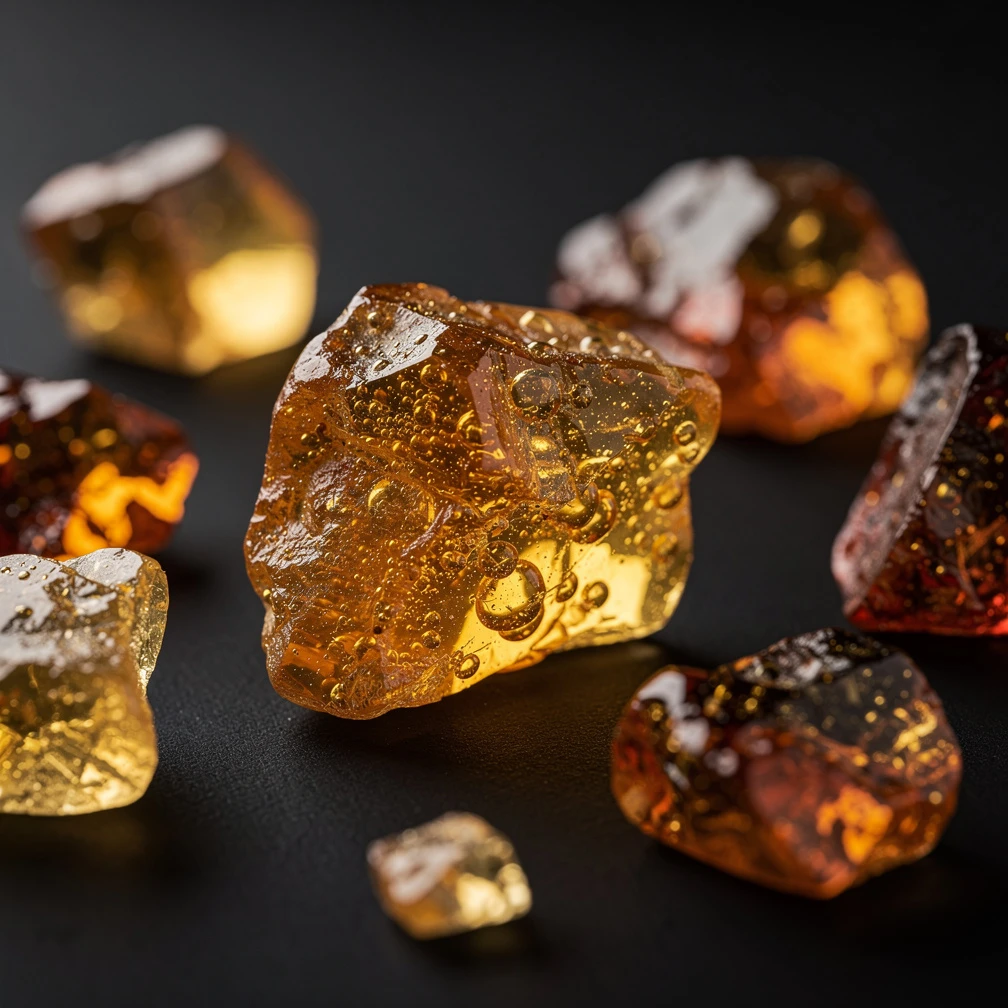
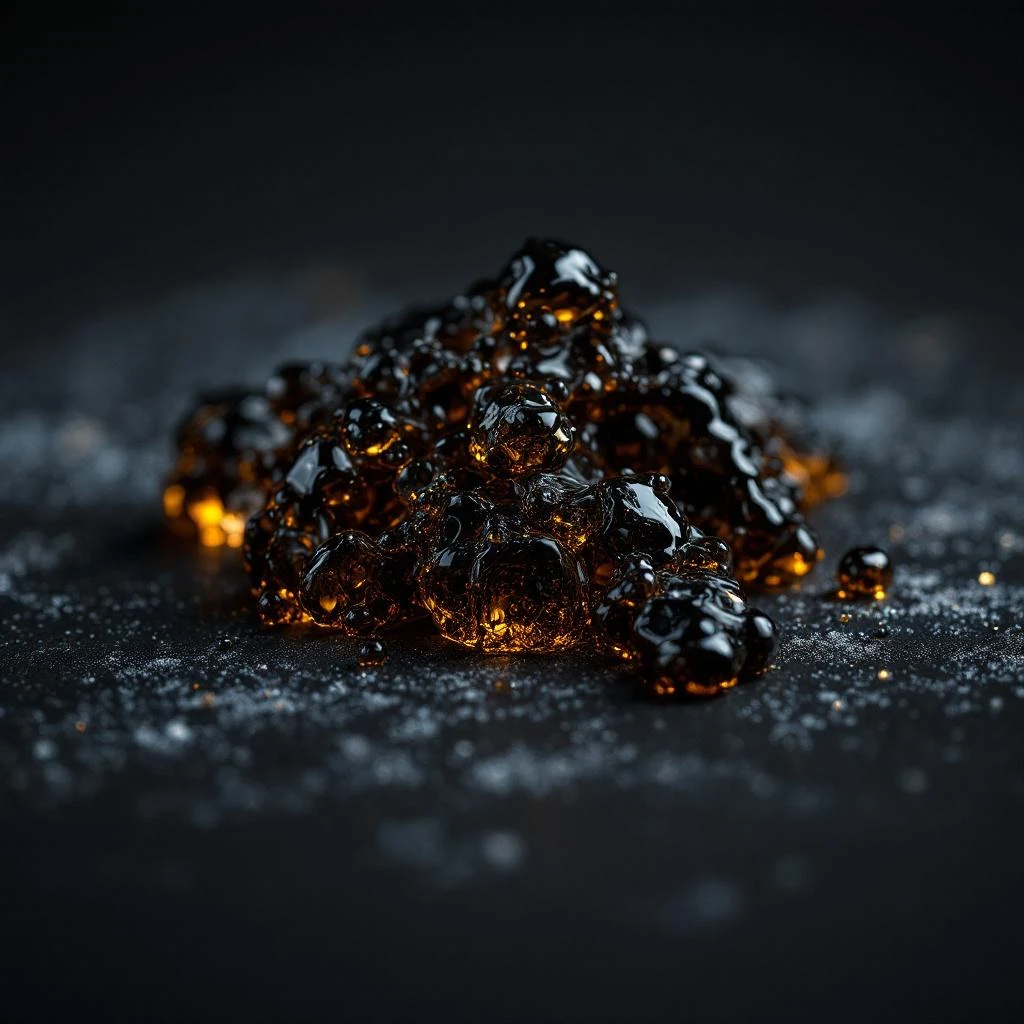
Ailanthus resin is a rare, aromatic oleoresin obtained from wounds on Ailanthus trees. In perfumery it functions primarily as a fixative, lending warmth and a subtle, balsamic depth to fragrance compositions. Its complex profile sits somewhere between frankincense and benzoin, adding a quiet, resinous backbone that grounds lighter notes.
Character
How it smells
A quiet resin with fixative power, rooted in East Asian tradition
The Ailanthus tree can survive in severely polluted urban environments, and its resin was historically collected in regions where other resin-producing species could not grow.




Origin
China
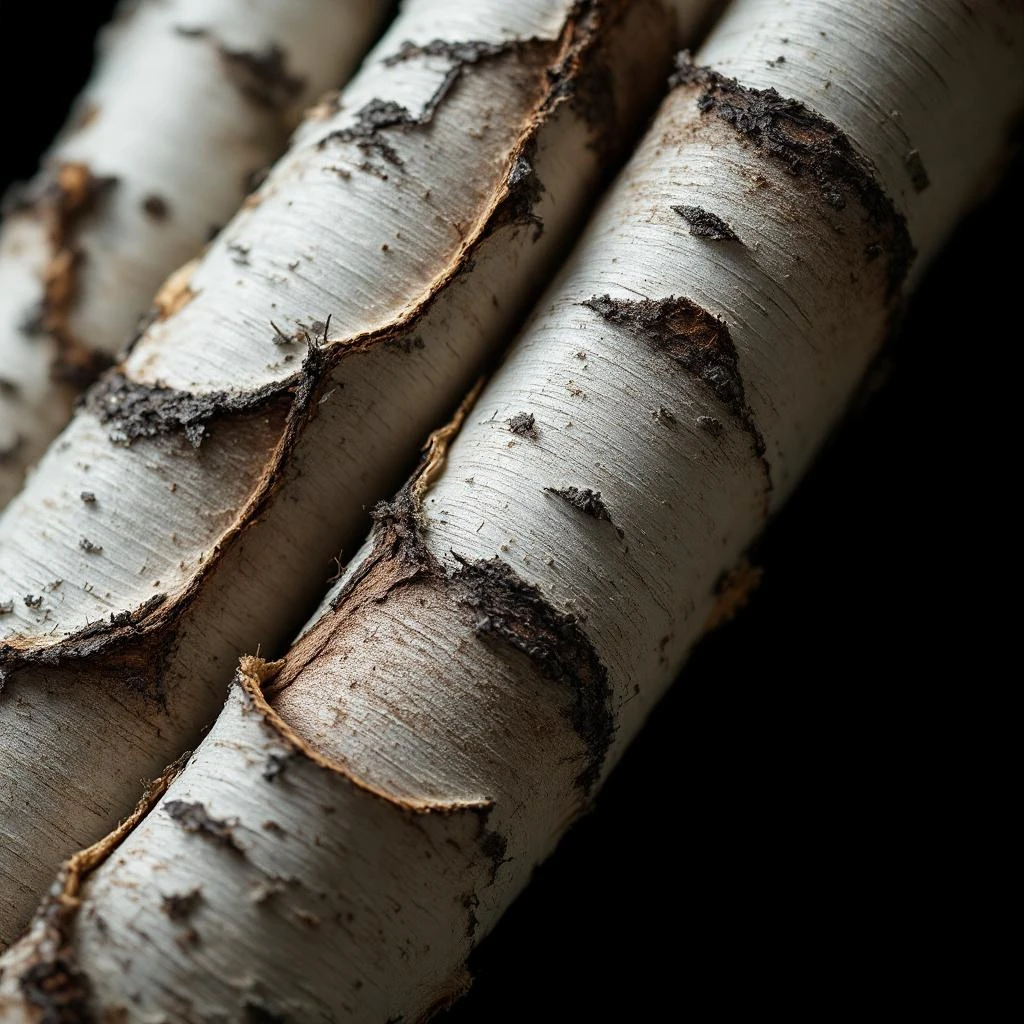
Ailanthus altissima, commonly known as the tree of heaven, has deep roots in East Asian traditional medicine and aromatic practice. Native to China and parts of the Korean peninsula, the tree was valued for its resilience and its resinous secretions long before it became a globally distributed ornamental species. Chinese apothecaries used the resin for its warming and grounding properties.
The ingredient remains relatively obscure in Western perfumery, found primarily in niche and artisanal compositions rather than mainstream releases. Its scarcity means it often appears in small-batch or experimental fragrances where the perfumer seeks unusual fixative materials with cultural specificity.
Wears it best
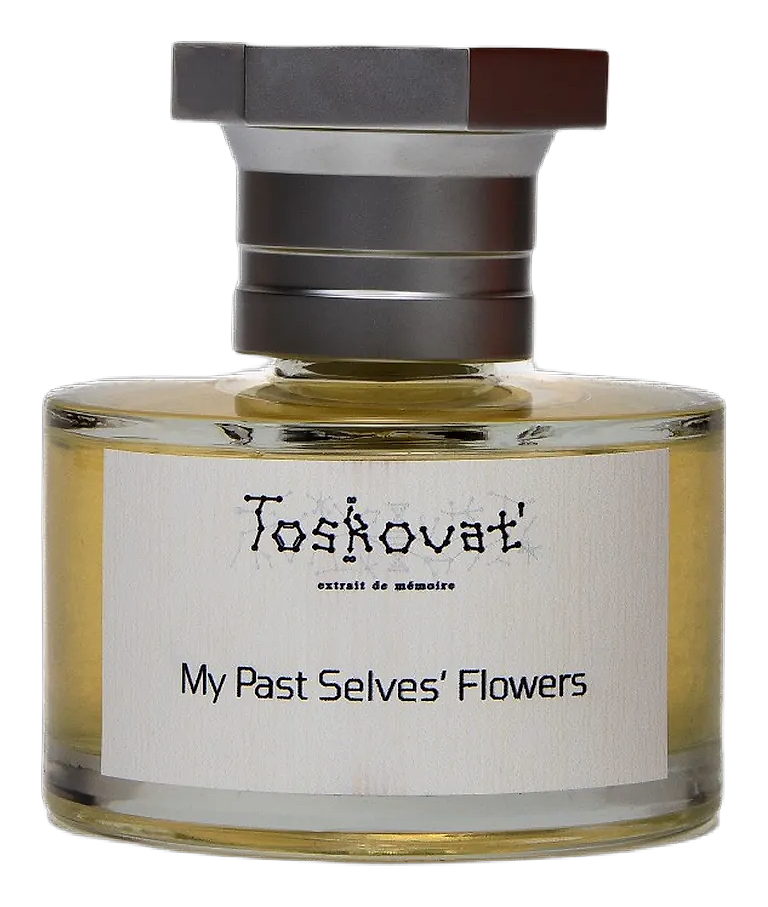
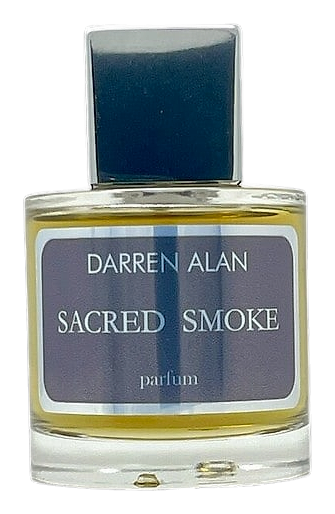
Fragrances featuring Alianthus resin
Brands
Brands known for Alianthus resin
Good to know
Questions, answered
The essentials on Alianthus resin in perfumery: how it smells, where it comes from, and how it behaves on skin.
What does Alianthus resin smell like in perfume?
Alianthus resin delivers a warm, balsamic scent with woody undertones and a faint sweet note. It functions as a fixative, meaning it shapes how other ingredients linger rather than standing alone as a dominant note. Perfumers often describe it as quieter than frankincense but more grounded than benzoin.
Why is Alianthus resin used in perfumery?
Alianthus resin is valued primarily as a fixative that extends the longevity of fragrance compositions. Its complex, low-intensity aroma also adds subtle depth that layers well with other resinous and woody materials. Production is limited, which makes it a signature choice for perfumers building distinctive base notes.
Is Alianthus resin in perfume natural or synthetic?
Alianthus resin is a natural material sourced from the Ailanthus tree through wound tapping. Synthetic substitutes do not replicate its profile accurately, so perfumers using authentic ingredient sources specify it as natural. Traceability depends on the supplier.
What famous perfumes contain Alianthus resin?
Major commercial releases rarely list Alianthus resin specifically, as its scarcity limits widespread adoption. The ingredient appears more often in small-batch and niche fragrances from independent houses that prioritize unusual natural materials. Direct confirmation from brand websites or IFRA disclosures remains the most reliable verification method.
Is Alianthus resin a top note, heart note, or base note?
Alianthus resin functions as a base note, contributing its fixative properties and warm balsamic character to the dry-down phase of a fragrance. Its scent profile emerges gradually and lingers for hours after application, making it a foundation-building material.
What notes pair well with Alianthus resin in perfume?
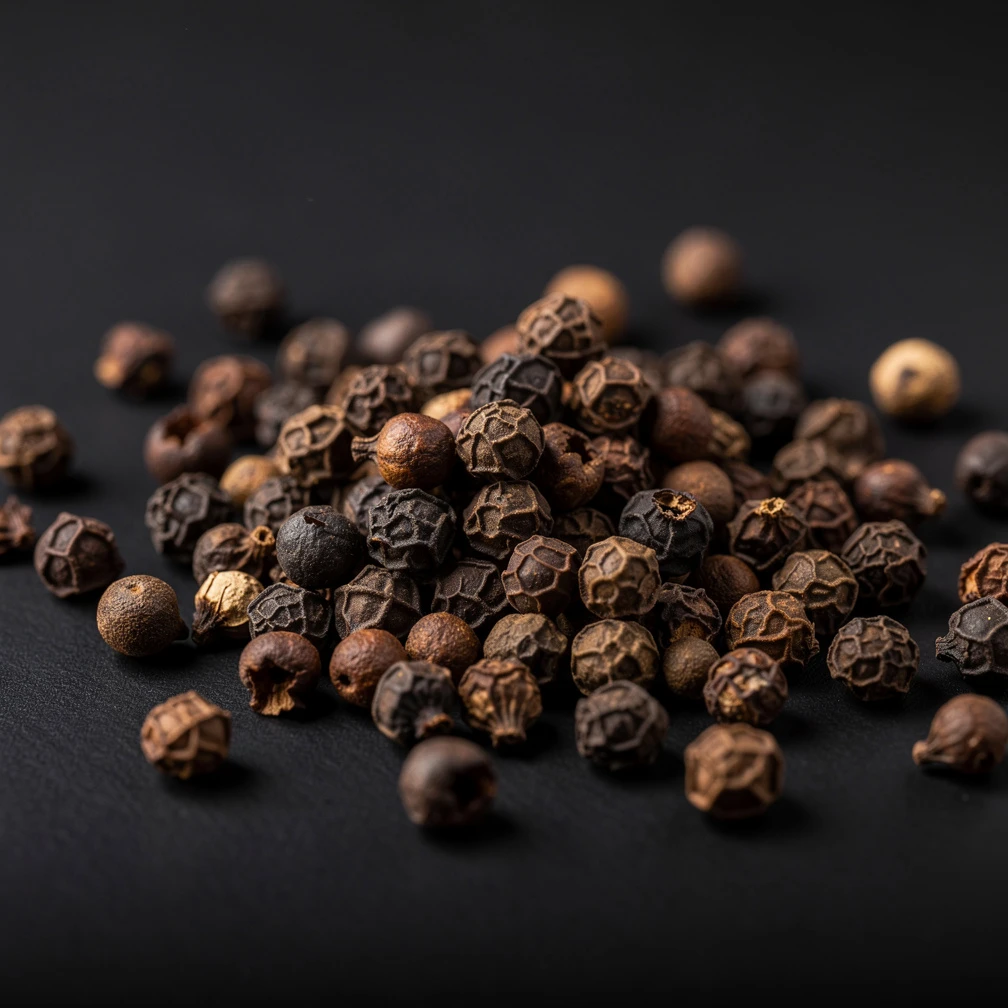
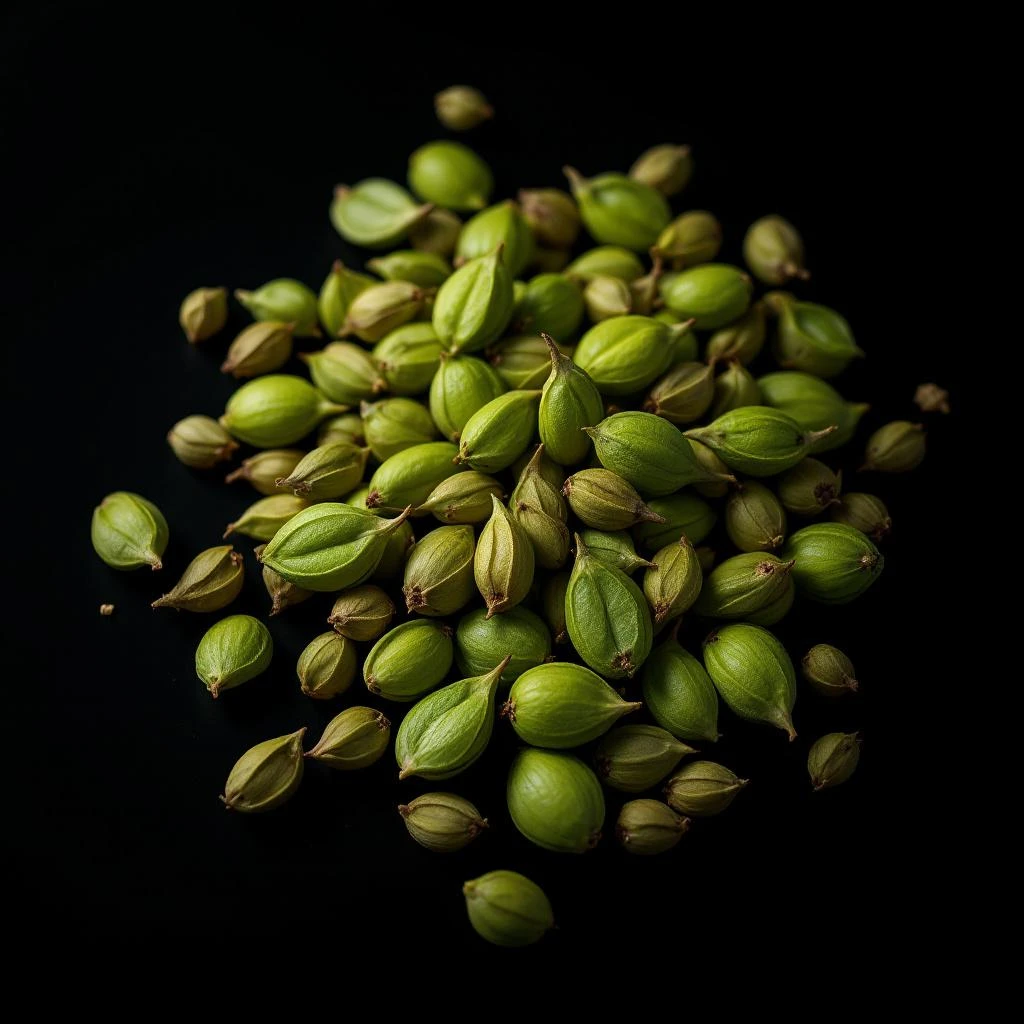
Alianthus resin pairs naturally with other resinous and woody materials such as frankincense, cistus, sandalwood, and benzoin. It also complements warm spice notes like cardamom and cinnamon, and can add depth to oriental and fougere fragrance families without overwhelming lighter accords.
Where does Alianthus resin come from?
Alianthus resin originates from Ailanthus trees, which are native to China and the broader East Asian region. The resin is collected by making shallow incisions in the trunk bark. Historical sources cite China as the primary origin, though Ailanthus species now grow on multiple continents as invasive ornamental plants.
Is Alianthus resin used in men's or women's fragrances?
Alianthus resin is not restricted to any gender category. Its warm, balsamic character can anchor both masculine and feminine compositions, particularly in oriental and woody fragrance families. Perfumery ingredients rarely carry gender labels; context of the full formula determines how a fragrance reads.