Akatsuki peach
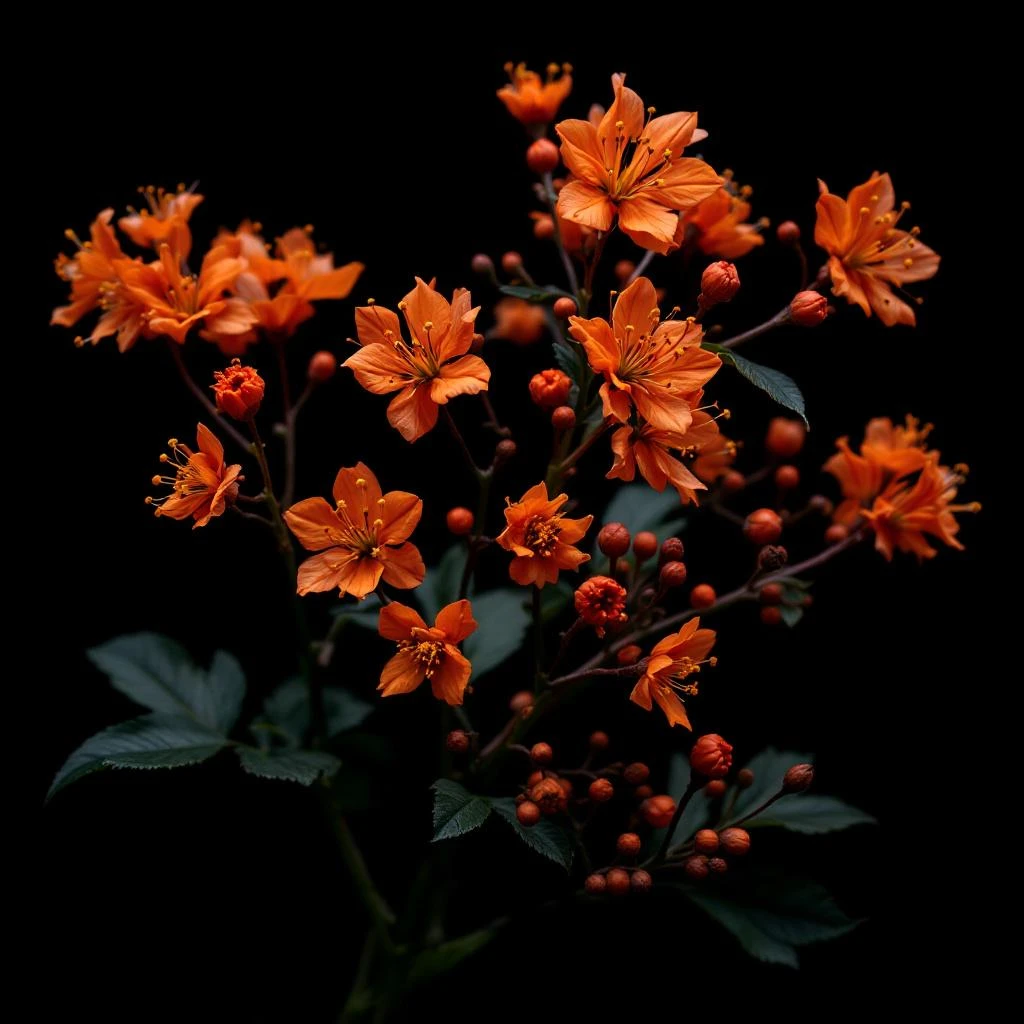
Akatsuki peach translates the Japanese word for dawn into scent, capturing that first light of morning on sun-warmed skin. This ingredient bridges the sweetness of ripe fruit with a luminous, ethereal quality unique to perfumery's most romantic stone fruit.

Character
How it smells
Where dawn meets ripe peach
A single peach contains over 400 aromatic compounds, making it one of perfumery's most complex fruits to capture authentically.



Origin
China
Peach (Prunus persica) originated in Northwest China, where archaeological evidence suggests cultivation began over 4,000 years ago. The fruit spread along the Silk Road to Persia, then throughout the Mediterranean, earning its scientific name persica from its association with Persia.
In perfumery, peach represented a significant challenge for centuries due to its delicate aromatic profile. The breakthrough came in 1919 when Jacques Guerlain created a fragrance combining natural and synthetic raw materials, marking the first true fruity fragrance in high perfumery. This innovation opened the door for peach notes to enter the formal fragrance vocabulary.
The Japanese connection to Akatsuki peach draws inspiration from East Asian traditions of honoring seasonal ingredients. In Japan, the peach holds cultural significance in art and poetry, often symbolizing spring and renewal. The Akatsuki designation specifically references dawn, suggesting a peach captured at first light when dew still clings to the skin, before full ripeness fully develops.
Wears it best
Fragrances featuring Akatsuki peach
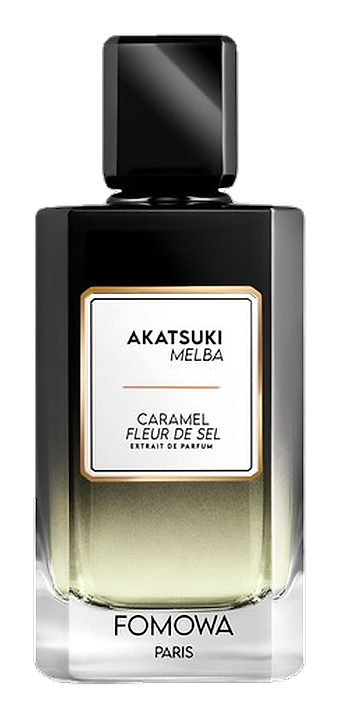
Brands
Brands known for Akatsuki peach
Good to know
Questions, answered
The essentials on Akatsuki peach in perfumery: how it smells, where it comes from, and how it behaves on skin.
What creates the peach smell in Akatsuki peach?
Gamma-decalactone, a synthetic lactone compound, forms the core of Akatsuki peach's signature scent. This molecule reproduces the characteristic creamy, fruity peach aroma that perfumers consider essential to the fruit's identity.
Is Akatsuki peach natural or synthetic?
Akatsuki peach is primarily synthetic, created through precision blending of aromatic compounds. This approach ensures consistent quality and captures the delicate peach note more reliably than natural extraction methods allow.
What was the first major peach fragrance?
Jacques Guerlain created a groundbreaking fragrance in 1919 that combined natural and synthetic materials, marking the first true fruity fragrance in formal perfumery history.
How many aromatic compounds does a peach contain?
A single peach contains over 400 different aromatic compounds, making it one of the most complex fruits in perfumery. This complexity is why synthetic replication remains the most practical approach.
What fragrance families pair well with Akatsuki peach?
Akatsuki peach works across floral, oriental, and chypre families. It blends naturally with jasmine, rose, and muguet, while also complementing musks, coconut, and woody base notes.
How does Akatsuki peach differ from natural peach?
Akatsuki peach offers a more consistent, intensified version of the peach note. Natural peach absolute exists but lacks the fruit's full aromatic complexity and proves prohibitively expensive for most fragrance applications.
What is the Japanese connection to Akatsuki peach?
Akatsuki means dawn in Japanese, suggesting a peach captured at first light. The term reflects perfumery's tradition of drawing inspiration from Japanese sensory aesthetics and seasonal awareness.
At what stage does Akatsuki peach typically appear in a fragrance?
Akatsuki peach functions primarily as a heart note, emerging 15-30 minutes after application and lasting 2-4 hours. Its positioning bridges the initial top notes and deeper base notes in a fragrance composition.